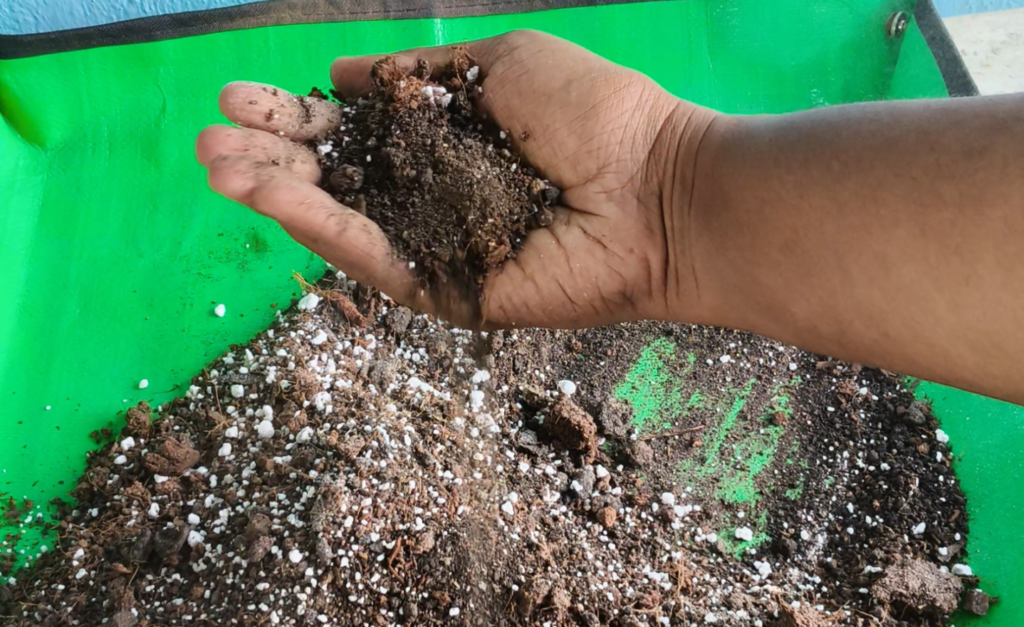
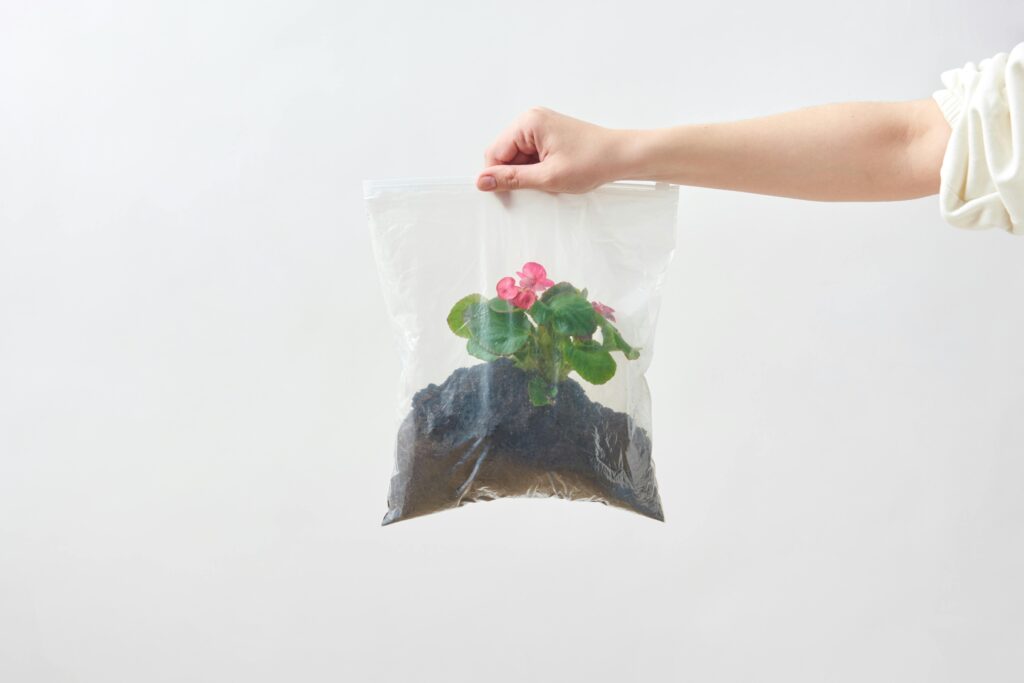
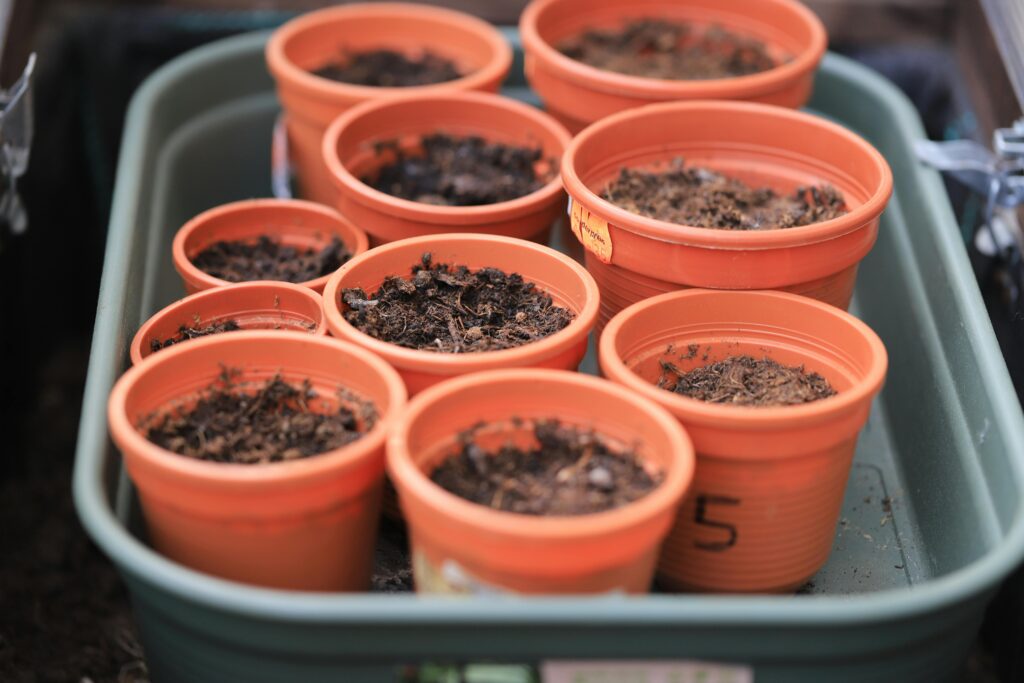
Many beginner balcony and terrace gardeners believe in a big myth in container gardening — one potting mix bag or one “universal soil recipe” can work for all plants. Soil brands market it that way, and many influencers also share one soil mix recipe for everything from flowering plants to succulents to vegetables.
But after some time, the reality inside pots starts showing differently. One plant survives somehow, one plant thrives beautifully, and another plant slowly declines without any clear reason.
That’s where many beginners get confused with potted plant problems. Same balcony. Same watering schedule. Same soil mix. Same sunlight area. But the plants react completely differently.
And honestly, this doesn’t mean you are a bad gardener. Most beginners simply are not aware that soil needs change from plant to plant, pot size changes how soil behaves, and your balcony or terrace micro-climate silently affects the temperature and moisture inside the potting mix.
Sometimes, the early signs of the wrong soil mix are very subtle in container gardening. The soil may stay wet for too long, or dry out too fast within one hot afternoon. Leaves start yellowing slowly. Some plants droop even when the soil feels moist. Growth becomes weak, roots struggle quietly inside the pot, and beginners often mistake it for fertilizer deficiency or watering mistakes.
This is one myth many beginners strongly believe in — one soil recipe works for all plants, scheduled watering keeps every plant healthy, and bright sunlight helps every plant grow better. But container gardening doesn’t work that uniformly, especially in Indian balcony and terrace gardening conditions, where heat reflection, humidity, airflow, and pot material change soil behavior faster than people realize.
The reality is, plant type decides the kind of soil it needs to truly thrive. Watering should depend on how the soil behaves inside that specific pot, not on fixed schedules. Sunlight spots should be chosen based on what the plant can tolerate, not just where the brightest light falls.
Every plant behaves differently because of its root type, growth pattern, and botanical family. Edible plants usually need a richer soil mix with more nutrients. Flowering plants often prefer moist but not soggy soil. Succulents and many indoor foliage plants need an airy potting mix with better drainage and a lower compost ratio to avoid root stress.
And this is only the basic layer of the problem. Your garden microclimate also changes how fast the soil dries. In low-airflow balcony corners or humid terrace spaces, the same soil can stay wet much longer, especially in large non-porous plastic pots. That’s why some container gardens need extra drainage materials or lighter soil texture adjustments, even when using the same potting mix ingredients.
Even the same plant behaves differently in the ground soil compared to containers. Inside pots, root behavior changes completely. Soil dries differently, heat builds faster, and moisture gets trapped more easily. That’s why container gardening soil problems cannot always be solved with one standard recipe copied from the internet.
With the right potting mix adjustments based on plant type, pot size, soil texture, and your garden’s micro-climate, the soil starts supporting the plant instead of silently stressing it.
In this blog, I’ll help you understand why the same soil fails for different plants, the early warning signs to notice before you lose the plant, and how to fix common potting soil problems in balcony and terrace gardens without making soil mixing feel too complicated or overwhelming.
🌱 Most container plant problems start with soil — not water or sunlight. Read the 4 soil truths beginners ignore
What are the signs that your potting soil is not matching your plant’s needs?
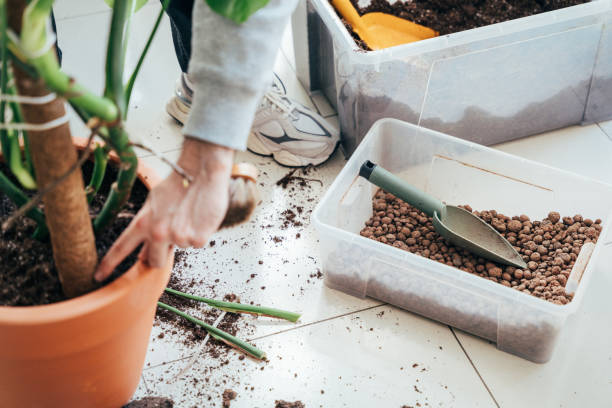
If you ever notice one of your potted plants suddenly wilting, the problem usually doesn’t happen overnight. Most container gardening soil problems build slowly, while beginners don’t notice the early signs.
At first, the plant may just look a little dull. Growth slows down. Leaves lose firmness. Soil behaves differently after watering. Then one day, the plant suddenly collapses, and you feel confused because you were watering regularly and trying your best to care for it.
Plants actually show many subtle signs when the potting soil does not match their needs. The roots start struggling quietly inside the container long before the plant fully declines. Learning to read these small signs early helps balcony and terrace gardeners fix the issue before losing the plant completely.
Why do some plants stay droopy even when the soil looks moist
One of the most confusing beginner plant care problems is this — the soil still looks moist, but the plant stays droopy.
Most people think droopy plants always mean a lack of water, but in container gardening, the opposite can also happen. Sometimes the soil stays wet too long inside the potting mix, especially in heavy soil or low-airflow balcony corners.
That droopy look happens because the plant loses proper turgor pressure. In simple words, the roots are unable to absorb and push water properly through the plant. The water is physically there in the soil, but stressed roots cannot use it efficiently.
Roots usually become stressed when:
- The soil texture is too compact
- Water stays trapped too long
- Excess compost or a heavy soil base reduces airflow
- nutrients are imbalanced
- Air pockets inside the soil get filled with water instead of oxygen
All these hidden problems are happening behind one simple droopy plant.
And remember, in most balcony and terrace containers, soil should stay comfortably moist only for around 1–2 days after watering. If the potting mix stays wet much longer without drying gradually, especially in humid Indian gardening conditions, the roots may already be struggling.
Yellow leaves, weak growth, and slow root development beginners notice in pots
After repotting plants, some yellow leaves or leaf drop is normal. Plants need time to settle because root disturbance itself causes stress.
But beginners often miss the difference between “adjustment stress” and “soil mismatch stress.”
For example, if only a few older leaves turn yellow and fall after repotting, that is usually manageable. But if fresh new leaves start yellowing, tiny shoots stop growing, or the plant looks weaker week after week, then the soil is probably not supporting healthy root growth.
Weak growth does not mean expecting flowers immediately after planting. Real healthy recovery signs are much smaller and subtle:
- tiny new shoots appearing
- stems slowly thickening
- fresh leaves continuing to grow steadily
- The plant stays upright and firm after watering
When plants remain loose, floppy, or unstable in the pot for many days, it often means the roots are not anchoring properly into the soil. Slow soil drying can also indicate weak root activity because healthy roots actively use moisture from the potting mix.
These are very common potted plant problems that beginners notice in balcony gardening but often ignore until the plant declines badly.
Why do succulents, flowering plants, herbs, and foliage plants react differently in the same soil
Their root systems, growth habits, and moisture needs are completely different.
Succulents store water inside their leaves, so they hate soggy soil or potting mix that stays moist too long. They need airy, fast-draining soil with strong drainage. Watering succulents properly also means allowing the soil to dry fully between watering cycles. Using the wrong soil mix creates uneven drying and increases root rot risk very quickly.
Flowering plants behave differently depending on the season. During active blooming periods, they need more moisture and nutrients to support flowers and buds. After pruning or during recovery phases, they focus more on foliage and root development, where lighter, well-draining soil becomes more important.
During humid monsoon or dormant periods, many flowering plants actually dislike constantly moist soil, even if they previously tolerated it in the active growth season. That’s why beginners feel confused when the same watering routine suddenly starts causing yellow leaves or fungal stress.
Edible plants and short-term seasonal vegetables usually prefer consistently moist soil, but not waterlogged conditions. They consume nutrients faster, so the soil needs both drainage and nutrition balance.
Herbs and leafy greens mostly prefer balanced soil that can hold some moisture while still allowing enough airflow around roots.
This is where plant-specific soil understanding becomes important in container gardening. Different root types and growing patterns simply perform better in different soil textures.
And honestly, I’m not inventing some magical new soil recipes here. Most of this understanding came from years of observing my own container garden and learning from experienced gardeners long ago. What I mainly tweak for Indian gardening conditions is creating potting mixes that can tolerate our weather fluctuations better.
Many beginners think summer sunlight alone is damaging the plants. But often the real issue is floor heat, trapped hot air, poor airflow, and how fast the pot itself heats the soil inside balcony and terrace spaces.
The same thing happens during the monsoon and winter. Rain itself is not always the main issue. High humidity, cloudy weather, and reduced airflow keep the soil moist much longer and slow down drying dramatically.
Signs of excess water retention, compact soil, or poor airflow in container gardening
These three problems are deeply connected in potted plant care, but many beginners barely notice them until roots start rotting.
When potting soil contains too much heavy garden soil or dense soil base, compaction slowly builds inside the container. Water retention increases, drainage becomes slower, and air pockets disappear because the soil lacks texture and structure.
Some common warning signs are:
- Soil staying wet too long
- dull-looking plants
- yellow or brown leaves
- drooping foliage
- sudden brown spots near the lower stem close to soil level
- foul smell from the potting mix sometimes
Poor airflow around containers and a lack of drainage inside the soil together create ideal conditions for root rot. That’s one reason potted plants often die faster from overwatering compared to plants growing in ground beds.
Why does one pot dry too fast while another stays wet for days on the same balcony
This is where pot material, pot size, and plant placement start changing soil behavior.
If the container is porous like terracotta, the same potting mix may dry much faster because moisture escapes through the pot walls. But in non-porous plastic pots, the same soil can remain wet for much longer.
Pot size also changes everything. Small pots dry quickly because they contain less soil volume. Large pots hold moisture longer because there is more soil mass inside the container. That’s why fixed watering schedules fail so often in container gardening.
Plant placement matters too:
- airflow around the pot
- reflected floor heat
- direct sunlight hours
- nearby crowded plants
- wall corners trapping humidity
All these factors quietly affect how fast the soil dries.
Container gardening is not just putting plants inside pots and watering them daily. It’s actually a small growing system where soil texture, drainage, airflow, pot type, weather, and plant behavior all work together.
And honestly, Indian balcony and terrace gardening conditions behave very differently from many Western gardening setups online. That’s why blindly copying every influencer soil hack often creates more potted plant problems instead of solving them.
Once you start understanding how soil behaves differently for different plants and spaces, container gardening becomes much less confusing. In the next section, we’ll look at how to fix these common soil mismatch problems without making potting mixes feel overly complicated or expensive.
If your pots stay soggy, dry too fast, or show poor growth, your soil mix may be the reason. Learn more: Plants Not Growing? Try These Potting Mixes
Why does the same potting soil work for one plant but fail for another?
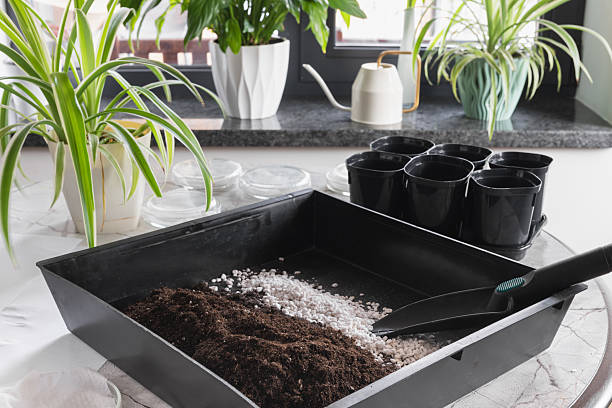
Free Potting Mix PDF Guide for Beginners
Stop guessing soil ratios for your balcony and terrace plants.
- ✔ Beginner-friendly soil mix ratios
- ✔ Potting mix guide for succulents, foliage & flowering plants
- ✔ Simple drainage & moisture balance tips
- ✔ Indian balcony & terrace gardening focused
- ✔ Helps prevent root rot, soggy soil & weak roots
Learn how to make better potting mix for different plants without making gardening complicated.
Why do different root types and water needs make plants react differently in the same soil?
To understand this properly, you first need to understand something beginners rarely notice in container gardening — different plants have different root behaviors.
Some plants have shallow hair-like roots. Some have medium thread-like roots. Some develop stronger and deeper root systems. And this root type quietly decides:
- how much water the plant can tolerate
- How fast should the soil dry
- How much soil quantity does the plant need
- How large should the pot be
This is one major reason why a universal potting mix recipe or one ready-made potting soil bag fails for different plants in balcony and terrace gardening.
Imagine buying one potting mix bag and using it for every plant in your container garden. One flowering plant may thrive beautifully in it because it enjoys slightly moist soil. But the same soil can slowly suffocate succulents or some indoor foliage plants because the moisture stays trapped longer around their roots.
One root type can tolerate that moisture level. Another root type cannot survive it for long.
That’s why many beginner plant care problems feel confusing at first. The soil itself may not look “bad,” but inside the pot, the roots are reacting differently based on the plant type.
How pot size, sunlight, airflow, and pot material quietly change soil moisture in balcony and terrace containers
Unlike ground bed gardening where roots have open soil space to spread, potted plants live in restricted root space. Inside containers, even small environmental changes affect the potting mix much faster.
Factors like:
- pot size
- airflow around the pot
- sunlight availability
- heat reflection from terrace floors
- pot material porosity
all quietly change how fast or slow the soil dries inside containers.
This becomes a much bigger issue in balcony and terrace gardening because pots hold moisture differently than ground soil. In ground beds, excess water moves deeper into surrounding soil. But inside pots, excess moisture stays trapped close to the root ball for much longer.
That’s why smaller pots dry faster while bigger pots remain moist for days. And if the container stays in low sunlight or poor airflow corners, the soil temperature remains cooler and slows drying even more.
Pot material also changes the aeration inside the potting mix. Porous containers like terracotta pots, fabric grow bags, or coco coir pots allow moisture and heat to escape faster, so the soil dries more evenly.
But non-porous containers like plastic pots, resin planters, or metal containers hold moisture longer, especially in humid Indian gardening conditions. Many beginners unknowingly use the same watering routine for all these pots and later struggle with yellow leaves, soggy soil, or weak roots.
Why do some plants struggle faster in heavy, wet soil
Honestly, most plants have lower tolerance for constantly wet heavy soil than beginners realize.
And wet soil is not “just wet soil.” Inside the container, it means moisture stays trapped around the roots continuously. The roots remain soaked without enough oxygen, and that damp environment slowly becomes a perfect place for fungal growth and root rot in potted plants.
At the same time, air pockets inside the soil get clogged with water. Once airflow reduces, the roots become stressed. And stressed roots absorb water more slowly, which means the soil takes even longer to dry.
This is where many beginner overwatering problems start quietly. The plant already looks stressed, but because the soil surface appears dry or the leaves look droopy, beginners water again without realizing the deeper root zone is still wet.
Heavy soil creates another layer of stress through compaction. When dense soil with excess garden soil starts compacting inside pots, it slowly loses texture and structure. Over time, the soil begins behaving almost like clay.
Once this happens:
- Water drains poorly
- roots struggle to spread
- Oxygen movement reduces
- soil dries unevenly
- plant growth becomes weak and unstable
And this is why some plants decline much faster than others even when they are growing in the exact same potting mix on the same balcony.
Once you understand how roots, soil texture, moisture retention, and Indian balcony gardening conditions work together, container gardening starts making much more sense. In the next section, we’ll look at practical ways to fix these common soil mismatch problems without creating overly complicated soil recipes.
Your plant may not be inactive — the soil texture could be blocking healthy root growth. Read: Why Plants Stop Growing in Pots: Soil Texture Matters
How can you fix potting soil problems without making gardening complicated?
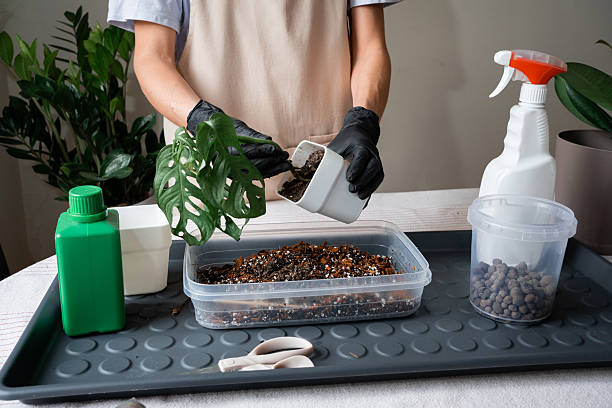
Making a potting mix is actually not as complicated as beginners think. Most container gardening soil problems happen because people don’t yet understand how soil behaves inside pots.
In the beginning, yes, you may need some guidance for soil ratios and become more conscious while making the mix. But once you start observing how the soil dries, how roots react, and how different plants behave in your balcony or terrace garden, soil mixing slowly becomes part of your gardening routine instead of a stressful task.
To avoid common potted plant problems like soggy soil, yellowing leaves, weak roots, slow growth, or root rot, focus less on copying one perfect recipe and more on adjusting the potting mix based on:
- plant type
- pot size
- your balcony or terrace micro-climate
- airflow and sunlight conditions
That small mindset shift itself solves many beginner container gardening mistakes.
Simple ways to make potting soil drain faster or hold moisture longer
The real goal in container gardening is balance. Not too much drainage. Not too much moisture retention.
Drainage materials like perlite and pumice help keep the soil airy and well-draining. Honestly, these two ingredients are lifesavers for many potted plants because they improve aeration and reduce the risk of compact wet soil.
But even drainage amendments can become unbalanced. If you add too much perlite or pumice without enough soil base, the potting mix may dry too fast and struggle to hold moisture properly.
The opposite problem also happens often in Indian balcony gardening. Excess garden soil, red soil, cocopeat, or too much compost can make the potting mix stay wet longer than needed, especially during monsoon humidity or in low-airflow corners.
So the idea is simple:
- drainage amendments help excess water escape
- soil base helps retain enough moisture for roots
Both are important. The balance changes depending on the plant and your growing conditions.
And honestly, this balance becomes easier once you start observing how your own container garden behaves instead of blindly following fixed soil recipes from the internet.
Easy soil mix adjustments for succulents, flowering plants, herbs, and foliage plants
Succulents have very little tolerance for moisture staying inside the soil for too long. They can tolerate dry soil for many days, sometimes even a week depending on weather and pot size.
That’s why succulent soil mixes need stronger drainage and better airflow. Avoid using excess red soil or too much cocopeat in succulent pots. Be more generous with pumice and perlite, and even compost should be used carefully because too much organic matter can hold moisture longer than succulents prefer.
Foliage plants are slightly different. They also dislike soggy soil, but unlike succulents, many foliage plants start stressing faster from underwatering. Their leaves usually show visible signs when moisture becomes too low.
For foliage plants, I personally prefer airy well-draining potting mix with moderate moisture retention. And if you use plastic pots, checking soil moisture becomes even more important. Simple things like adding side holes for aeration can actually improve airflow around roots surprisingly well in humid balcony gardening conditions.
Flowering plants, herbs, and edible plants usually do not need extremely high drainage amendment ratios like succulents. But they still need enough soil texture to avoid compaction.
These plants are heavier feeders, so they usually need:
- stronger soil base
- compost for nutrients
- some drainage material like perlite for airflow
And one important observation — if the soil still stays wet for 2–3 days after watering, especially in active growing season, your potting mix probably needs better drainage adjustment.
How to check if your potting soil is drying properly before watering again
One of the easiest beginner-friendly methods is using a simple toothpick to test soil moisture.
Just insert the toothpick deep into the potting mix and pull it out:
- if moist brown soil sticks to it, the deeper soil is still wet
- if it comes out mostly dry, the plant may be ready for watering
This method works especially well for container gardening because surface soil often dries faster while deeper roots remain wet.
Another easy method is lifting smaller pots by hand. Once you regularly handle your plants, you slowly start noticing the weight difference between moist soil and dry soil. Dry pots feel noticeably lighter.
But more than any method, learning to observe plant behavior matters most.
If you notice:
- wet soil staying too long
- yellowing leaves with mushy texture
- drooping despite moist soil
- dull slow growth
- uneven drying inside the pot
then the issue is usually related to overwatering, poor aeration, or unbalanced soil texture.
Small container gardening habits that prevent root rot and weak roots
Small habits actually prevent more potted plant problems than expensive gardening products.
Some simple habits that help a lot:
- Water only after checking soil moisture
- Use porous pots whenever possible
- If using plastic pots, improve drainage and add side holes for aeration
- Use potting mix with both drainage and moisture balance
- Avoid disturbing roots unless truly necessary
- Observe plant stress signs early instead of reacting too late
- Never follow strict watering schedules blindly
Honestly, many balcony and terrace plant problems reduce once you stop treating all pots the same way.
Why small soil changes work better than completely changing the whole potting mix
This is where observation becomes more important than gardening “rules.”
What I’m sharing here are not magical secret recipes. These are basic container gardening principles that work in real balcony and terrace gardening setups. But even these tips should not be copied 100% without observing your own space.
Sometimes a soil mix already does 80% of the work correctly, and only a small tweak is needed.
For example, if you make a good potting mix but still notice the soil drying too slowly, don’t immediately throw away the entire soil. First observe:
- Is the plant placed in poor airflow?
- Is the balcony corner too humid?
- Is sunlight limited?
- Is the pot too large for the root system?
In many Indian container gardening spaces, airflow and humidity quietly affect soil drying more than beginners realize. In such cases, simply adding a little more perlite or pumice, improving airflow, or delaying watering slightly may solve the issue.
That’s why I focus less on giving exact soil ratios and more on helping gardeners understand soil behavior. Once you start reading the signs properly, you slowly become capable of adjusting your own potting mix based on your plants, your space, and your climate instead of depending completely on fixed internet recipes.
And honestly, that’s when container gardening starts feeling less frustrating and much more peaceful.
🌿 If your plants struggle despite good spacing, the issue is more subtle than crowding. Discover the hidden space problems
What should you remember if one plant keeps failing in the same soil while others survive?
One struggling plant does not always mean you need more fertilizer. In many balcony and terrace container gardens, the real issue is the soil behavior around the roots. If the potting mix stays wet too long, dries unevenly, becomes compact, or lacks airflow, the roots struggle first before the leaves show visible stress.
Over time, container gardening becomes easier when you stop searching for one “perfect soil recipe” and start understanding what each plant actually prefers. Some plants tolerate moisture longer, while others need airy fast-draining soil to stay healthy. Even the same soil mix can behave differently depending on pot size, airflow, humidity, sunlight, and Indian weather conditions.
That’s why observing your plant matters more than blindly following fixed watering schedules or viral gardening hacks. Watch how fast the soil dries, how the leaves respond after watering, and whether the roots seem active or stressed. Those small observations teach more than any universal soil recipe online.
And honestly, if you’ve already lost plants because of soggy soil, yellowing leaves, or weak root growth, you are not alone. Most beginner gardeners learn this lesson only through experience.
If you want a simpler starting point, you can also read my guide on “Best Potting Mix for Container Gardening Beginners” to understand beginner-friendly soil balance more clearly.
✨ If you’re serious about growing healthy plants in pots, start here — not on random tips. Read the full beginner roadmap
Create Your Dream Garden Board on Pinterest
Save beginner-friendly balcony and terrace gardening ideas for later 🌿
- ✔ Potting mix & soil care tips
- ✔ Balcony and terrace gardening ideas
- ✔ Beginner container gardening guides
- ✔ Plant care troubleshooting pins
- ✔ Easy gardening inspiration to save & revisit
Build your own garden inspiration board with practical container gardening ideas that actually work in Indian balcony spaces.