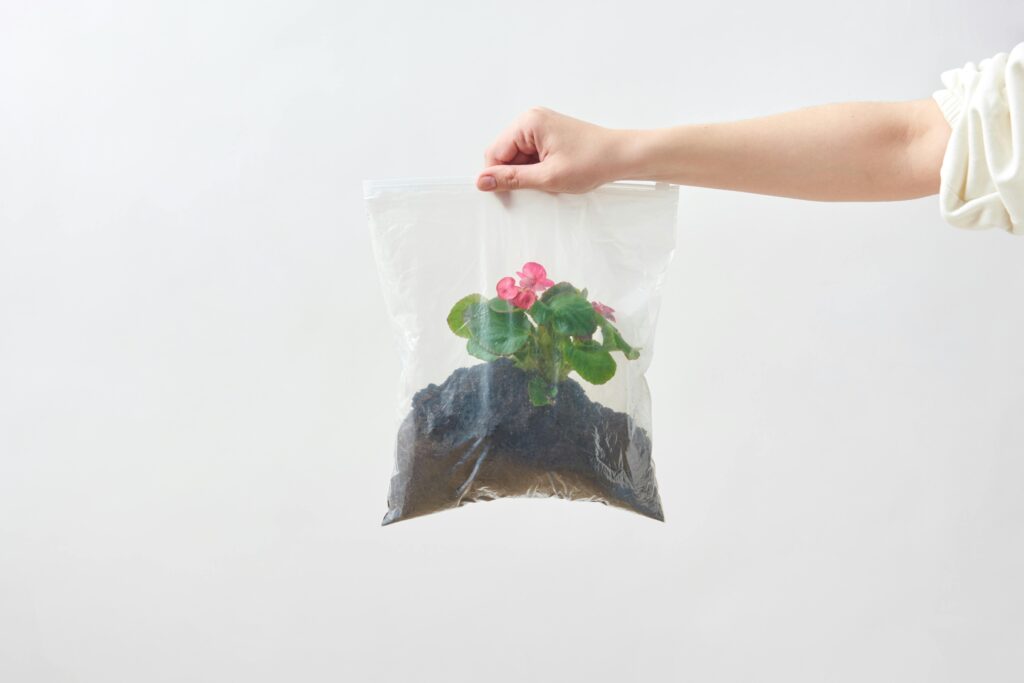
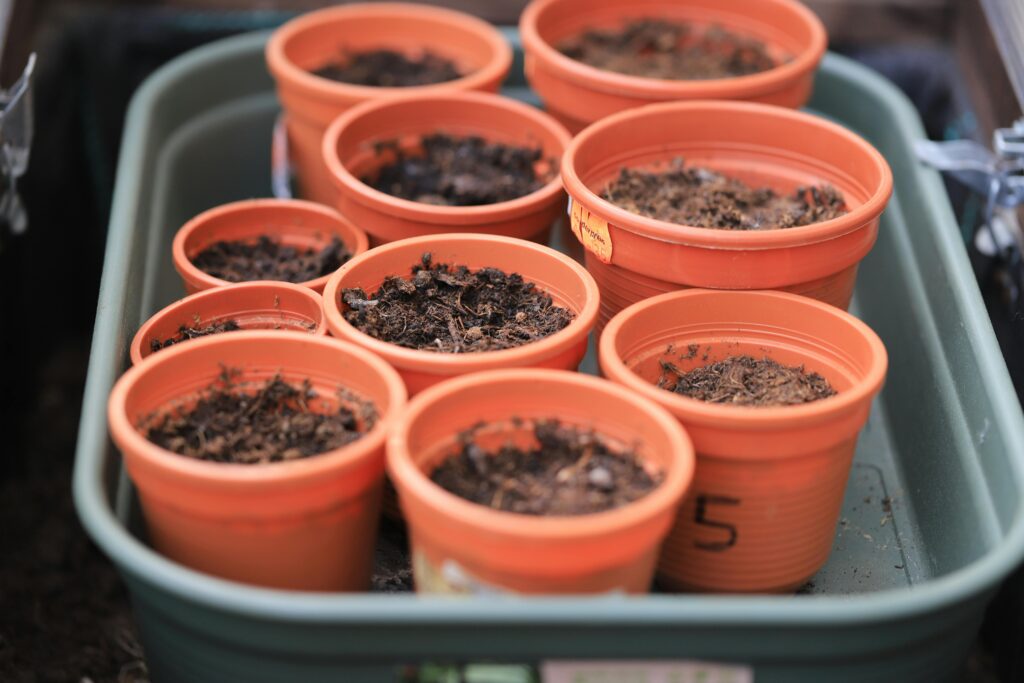
Many beginner gardeners feel confused when potted plants stop growing even after placing them in the right sunlight spot, watering carefully, and feeding fertilizers regularly. Still, the plant stays in an inactive mode. Slowly, it starts showing stress signs like wilting, yellowing leaves, leaf drooping, weak growth, or sudden decline. This is one of the most frustrating container gardening problems because from the outside, it feels like you’re doing everything correctly in your balcony or terrace garden.
Then only you start paying attention to the soil.
Sometimes the potting soil stays wet for too long with a slight fishy smell. Sometimes the soil becomes dry, cracked, and hard, while the plant still looks wilted. In some containers, one side dries too fast while the center stays soggy. This usually happens when the soil texture is poor, the moisture is not staying balanced, and the roots are struggling underneath the soil surface.
In Indian gardening, this is very common because many beginners use garden soil or red soil directly in pots. At first it may look normal, but over time, especially in balcony and terrace containers exposed to heat, rain, humidity, and weather fluctuations, the soil slowly turns compact like clay. The roots stop spreading properly, airflow reduces, moisture becomes uneven, and the plant starts reacting through slow growth and stress symptoms.
It may sound like a small thing, but soil texture affects moisture retention, uneven watering problems, root airflow, drainage balance, and root spreading inside containers. Many potted plant problems actually begin from unhealthy soil structure long before the leaves start showing damage.
This is very common in Indian balcony and terrace gardening because containers already go through extreme micro-climate shifts. One week heavy rain, another week harsh terrace heat, strong sunlight reflection from walls, or trapped humidity in small balcony spaces. Poor soil texture makes all these conditions worse for beginner plant care.
And honestly, this cannot be magically fixed by simply adding fertilizers or buying some ready-made branded potting mix. You first need to understand what healthy soil texture actually means for container gardening. It’s not about making complicated soil mixes for every plant type. It’s about understanding the ideal soil structure that helps potted plants hold balanced moisture, maintain airflow, and support healthy root growth over time.
Knowing soil texture means understanding what kind of soil actually helps container plants grow better instead of slowly stressing them. In this blog, I’ll clear some common myths, help you identify the real signs of poor soil texture, and explain what the right soil texture should actually feel like for healthy potted plants in Indian balcony and terrace gardens. If your plants keep struggling no matter how carefully you water or fertilize them, this may help you finally understand what’s happening below the soil before the problem gets worse.
🌿 Container soil behaves very differently from ground soil — and beginners rarely realise it. Click to learn the real soil rules
What Are the Signs That Your Potting Soil Is Blocking Healthy Root Growth?
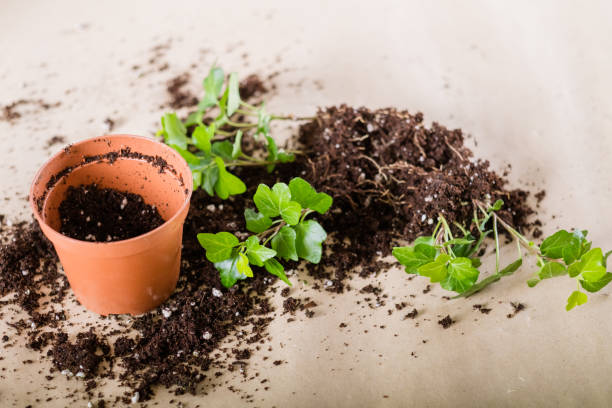
Not dramatic or loud signs, but small signs that usually go unnoticed. Then one day you suddenly feel like, “Why did this plant decline outta nowhere?” Most container plants don’t collapse overnight. They slowly struggle underneath the soil first. If you notice these small signs early, you can actually save the plant before the root stress becomes severe.
Soil staying wet for too long after watering
At first, you may think the soil is moisture-retentive and good for plants. Or maybe you feel happy because no watering is needed for the next few days. But sometimes this is actually a subtle sign that drainage is poor, airflow inside the soil is low, the soil is compacted, and the soil mix is holding more moisture than needed.
A healthy potting mix with good soil texture behaves differently. After watering, the topsoil may feel cool and lightly moist for a day or two, not soggy or sticky. Then slowly the moisture reduces evenly. In bigger pots, the inner soil may still stay slightly moist after 2–3 days, while in smaller pots the top layer usually dries faster.
That balance matters.
If the topsoil still feels soggy even a day after watering, then it’s time to notice something may be wrong with the soil texture. Usually it means the soil is not supporting proper drainage, airflow, or healthy root movement inside the pot.
And sometimes constantly wet soil is not only a soil problem. It can also indicate stressed roots that are no longer absorbing water normally.
Hard, compact soil that feels heavy inside pots
This soil compaction mostly happens when using garden soil alone or adding too much heavy soil into the potting mix without enough drainage and aeration materials.
This is where many Indian gardeners become careless because garden soil works “fine” in ground beds, so naturally we assume it will also work well inside pots.
But containers behave completely differently.
Even western gardeners using ready-made potting mixes still face compact soil and root-bound issues over time. So imagine Indian balcony gardeners using red soil or garden soil that slowly turns clay-like inside pots after repeated watering.
In ground beds, the same soil still has buffer space underneath. Even if the top layer becomes hard, deeper roots can still penetrate further, and natural microorganisms slowly improve the soil structure over time.
But in containers, root space is limited.
At the same time, you also can’t overload pots with excessive organic matter because that creates another problem — fungal growth, soggy soil, and excessive moisture retention in humid balcony or terrace gardening conditions.
So over time, garden soil alone inside pots slowly settles into a hard, compact layer that makes root spreading difficult.
Your plants may actually be struggling because of hidden root damage happening below the surface.
Read this before using garden soil in containers: Using Garden Soil in Pots? It Can Damage Roots
Roots circling, shrinking, or failing to spread properly
Roots adapt based on the root space they have. That’s why the same plant grows differently in ground beds compared to containers.
If the soil mix is not light, airy, and well-draining, the roots start struggling slowly.
Roots need space to spread properly so they can absorb oxygen, water, and nutrients evenly. But when the soil becomes dense and compact, roots start circling, shrinking, or staying restricted in one area instead of spreading naturally through the pot.
At first the plant only shows mild stress.
Then slowly the growth declines.
The plant may stay alive for weeks or months without actually thriving.
Plants showing slow growth, yellow leaves, or weak stems despite care
Roots need free space to spread. Only then plants can truly thrive inside containers.
When roots stay stressed because of poor soil texture, the plant starts showing confusing symptoms above the soil. Slow growth is one of the biggest signs. The plant may stay the same size for weeks or even months without producing healthy new growth.
Then come yellow leaves, browning edges, drooping foliage, or weak stems.
Many beginners immediately think this is a fertilizer deficiency problem. But often the roots are simply too stressed to absorb water and nutrients properly from the compact soil.
Weak stems are usually an early warning sign before larger decline starts happening.
Why some flowering plants stop producing buds in dense container soil
In pots, flowering plants especially need airy soil texture with balanced moisture. Not compact, soggy soil. Not overly dry soil caused by poor soil mix combinations.
Good container soil should contain small air pockets so oxygen can move through the root zone properly. The airflow inside the soil helps moisture dry evenly instead of staying trapped in one section.
Healthy soil texture holds moisture, not excess water.
That difference matters a lot in container gardening.
A fluffy, airy soil mix also makes it easier for roots to spread comfortably through the pot. And without healthy root growth, there is no strong plant growth or flowering.
If you notice flowering plants stopping buds, producing weak blooms, or struggling to grow healthy foliage in dense soil, it’s often a sign the roots are fighting underneath the surface just to absorb basic water and nutrients properly.
Slow growth, yellow leaves, and compact soil often start with the wrong potting mix. Learn why: Plants Not Growing in Pots? Best Potting Mix Guide
Why Does Poor Soil Texture Cause Problems Faster in Balcony and Terrace Containers?
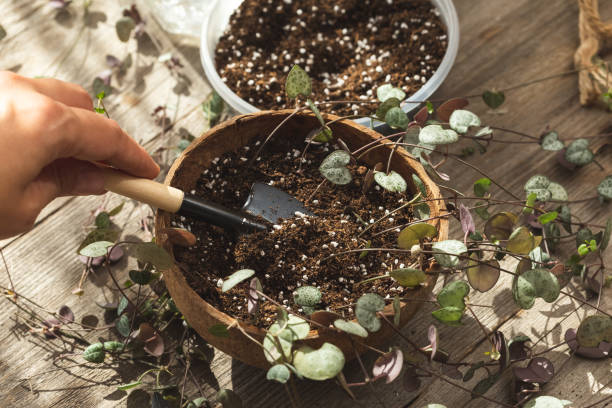
Roots behave very differently in pots compared to ground beds because the root space is limited. But roots naturally adapt to that limited space. That’s why you cannot compare ground bed root behavior with potted plant roots.
In containers, the root space is already restricted, and moisture also gets trapped easily if the soil texture is not suitable for potted plants. You can’t simply overpot, overfeed, or overwater thinking it will fix the problem. In fact, these usually make root stress worse in container gardening.
When the space is limited, quality becomes more important than quantity.
That’s why the soil texture inside pots has to be airy, well-draining, and balanced. In small containers, there’s very little buffer for watering mistakes, compact soil, excess moisture, or salt buildup from fertilizers. Problems affect roots much faster than people expect because everything is happening in a confined space.
That’s why poor soil texture creates faster damage in balcony and terrace containers compared to ground beds.
Why compacted soil reduces airflow around roots in containers
In potted plants, airflow is decided by three things together — plant arrangement, pot material, and the soil mix itself.
You may avoid overcrowding the plants and even use porous pots like terracotta, but if the soil mix itself becomes compact, then airflow inside the container still gets affected.
The airflow enters from the surrounding garden space, passes through drainage holes and porous pot surfaces, then moves through the tiny air pockets inside the potting mix. This airflow helps the soil dry evenly and allows oxygen to reach the roots properly.
Healthy roots need oxygen too, not just water.
When airflow reduces, root rot problems slowly begin.
Compact soil slowly becomes hard and clay-like over time. The air pockets disappear, and even if some air pockets still exist, trapped water fills those spaces instead of air. That’s why compacted soil often stays wet for too long and creates poor root health in containers.
The difference between drainage problems and moisture balance problems
Drainage problems in potting soil usually happen from using heavy garden soil, adding too much moisture-retentive material, or using excessive organic matter in containers. This creates issues like trapped water inside air pockets, soggy soil for long periods, water pooling on topsoil, or even a slight fishy smell from the soil.
But moisture imbalance problems are slightly different.
Sometimes the soil mix is not fully compact, but the moisture still dries unevenly inside the pot. The topsoil may look dry while the root ball area deep inside still stays wet for days. This usually happens when the soil mix lacks proper drainage amendments and balanced soil texture.
Using the right soil mix ratio helps avoid this uneven moisture behavior.
A simple way to check this is by using a toothpick or wooden stick. Insert it around 2–3 inches deep into the soil after 2–3 days of watering. If the deeper soil still feels overly wet while the topsoil looks dry, then the soil is drying unevenly and creating moisture imbalance around the roots.
This type of hidden wetness often leads to root rot issues slowly.
How heat, monsoon humidity, and weather fluctuations worsen soil texture issues in India
Potting soil is not something you can completely change every season. You can adjust watering, feeding, and plant placement, but the soil structure itself is usually made during planting or repotting.
That’s why soil texture needs careful planning from the beginning.
Frequent soil disturbance around the root ball can stress the plant, accidentally damage stems, or even increase stem rot risks in sensitive plants.
And honestly, Indian weather itself is unpredictable.
Summer rains sometimes become more aggressive than monsoon rains. Winter is not always just cool weather — trapped humidity during dormant periods quietly damages many potted plants. Terrace heat, reflected sunlight from walls and floors, sudden rain, humid balconies, and seasonal shifts all affect how the soil behaves inside containers.
When seasons change, you can shift plant positions, reduce watering, or adjust fertilizers. But soil texture is not something easily corrected every week. That’s why building the right potting mix from the beginning matters so much in Indian balcony and terrace gardening.
The soil mix should always stay airy and well-draining as the non-negotiable base structure.
You may slightly adjust nutrition for heavy feeders or make the mix slightly more moisture-retentive for seedlings, but the overall soil structure should still support airflow and drainage.
That balanced soil texture is what helps containers handle accidental overwatering in summer, heat stress from terrace floors, monsoon moisture, and winter humidity much better.
Why using garden soil alone often damages root growth in containers
Garden soil becomes heavier over time than many beginners realize.
Using garden soil alone inside pots makes containers extremely heavy for balconies, terraces, railings, and hanging planters. Over time, repeated watering makes the soil even denser and harder.
Unlike proper potting mix, garden soil also takes much longer to dry. This increases the risk of root rot, fungal diseases, and constantly soggy soil conditions in containers.
Another major issue is the lack of air pockets.
Garden soil alone is usually a single dense material, not a balanced combination of drainage amendments and soil components. So the soil structure breaks down faster inside pots.
Non-sterilized garden soil can also increase risks of pest eggs, weeds, fungal spores, and soil-borne diseases entering your containers.
And many beginners assume garden soil is naturally rich in nutrients just because it comes from the ground.
But that’s not always true.
Even if compost was added previously in the garden, most nutrients may already be depleted. Over time, the soil becomes compact while also losing fertility.
Most importantly, compact garden soil makes root penetration difficult inside containers. The roots struggle to spread naturally, and once healthy root growth slows down, the entire plant slowly starts declining above the soil too.
Your plant may not be dying from lack of care — the soil could be the real problem. Read: Plants Not Growing in Pots? Check Your Soil First
How Can You Improve Soil Texture for Better Root Growth in Pots?
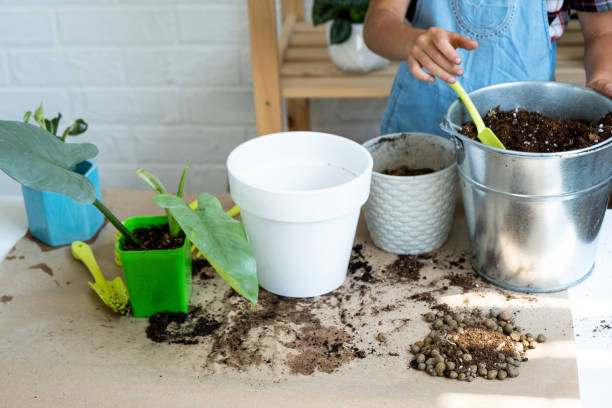
What a beginner-friendly container potting mix should feel like
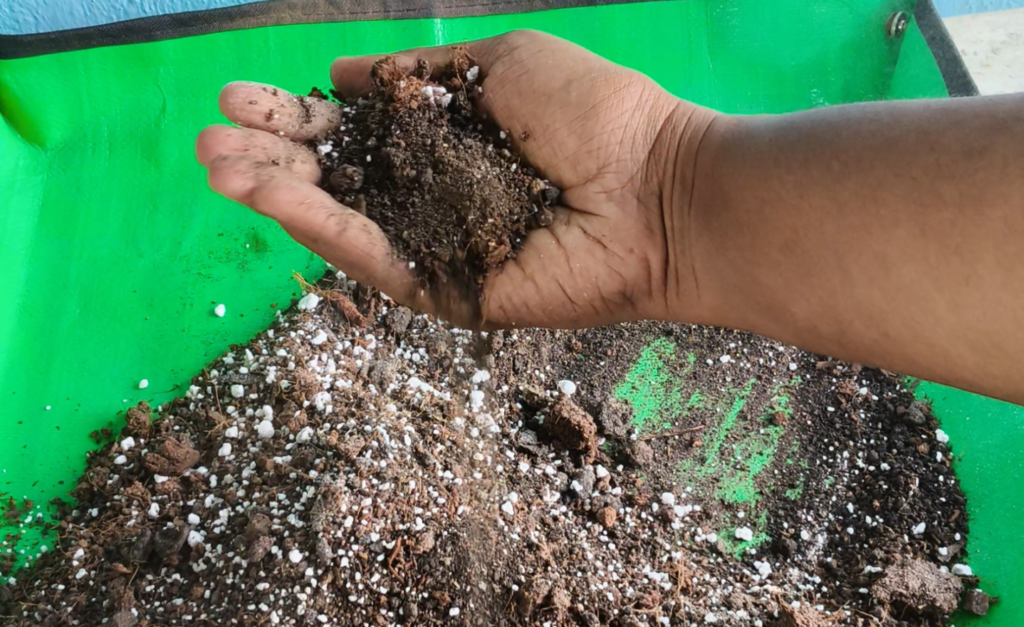
Don’t overcomplicate potting mix by adding too many soil amendments. For most beginner container gardeners, a few basic ingredients are more than enough — cocopeat (soil base), compost (nutrition), perlite (aeration and drainage), pumice for houseplants or succulents, and a little neem cake to help reduce pest problems.
That itself creates a good beginner-friendly potting mix.
You can even add a small amount of garden soil if needed as part of the base, but not excessively. The goal is not to create some “perfect” scientific soil mix. The real goal is to make the potting soil airy, well-draining, lightweight, and suitable for your balcony or terrace garden conditions.
Every garden micro-climate behaves differently anyway.
Some balconies stay humid, some terraces become extremely hot, some pots dry faster because of sunlight or wind exposure. So soil texture always needs small adjustments based on your gardening space and plant type.
A good container soil mix should feel light when you touch it. Not sticky, not muddy, not packed tightly like clay. When watered, it should hold balanced moisture without becoming soggy.
Feel free to check my free soil mix ratio PDF here.
Simple ways to loosen compact soil without shocking the plant
Don’t rush aggressively poking the soil because stressed roots can get damaged easily.
Use simple soil tools like a hand rake or hand fork one or two days after watering, when the soil is slightly moist. Avoid loosening completely dry soil or soggy wet soil because both conditions increase root stress.
Early morning is usually the safest time to do this.
Gently loosen only the topsoil layer without disturbing the stem area or deeper root zone. Small, mild raking movements with a hand rake or fork help break the compact top layer and improve airflow into the soil.
Sometimes even this small step helps container plants recover slowly because the soil starts drying more evenly again.
Struggling with messy soil, compact pots, or difficult repotting? These daily-use soil tools can make container gardening much easier: Soil Tools (Your Daily Use Tools in Pots)
How to improve airflow and drainage using cocopeat, compost, and perlite
Honestly, these three ingredients alone are enough to create a good basic potting mix for most balcony and terrace plants. The ratio may slightly change depending on plant type, and you can add neem cake as an extra, but cocopeat, compost, and perlite are the real foundation ingredients.
Cocopeat helps create lightweight soil structure while still holding balanced moisture around the roots. Used in the right amount, it helps plants stay hydrated without making the soil overly heavy. Since cocopeat is airy and lightweight, it works especially well for hanging pots, railing planters, and vertical garden containers.
It also helps create tiny air pockets inside the soil mix, which improves airflow around roots.
Compost is one of the easiest soil amendments for beginners. It improves soil structure, adds mild nutrition, and helps maintain balanced moisture inside containers. You can mix compost into the potting soil or even use it later as topsoil feeding.
Over time, compost also supports microbial activity in the soil, which naturally improves soil texture and drainage behavior.
And perlite honestly feels like a lifesaver in container gardening.
No matter what soil mix you use, adding perlite usually makes the mix lighter, airier, and better draining. It prevents the soil from becoming too dense and helps improve oxygen flow through the root zone.
When to repot a struggling plant because of soil texture problems
If you clearly notice severe soil texture problems, don’t delay repotting for too long.
The longer damaged soil stays around stressed roots, the more difficult recovery becomes. But while repotting, the focus should not be on adding fertilizers or “boosters.” The main goal is simply giving the roots a healthier soil structure.
Use a potting mix suitable for container plants with good airflow, drainage, and balanced moisture retention.
After repotting, don’t rush fertilizers, pesticides, or heavy watering immediately. Let the plant settle slowly into the new soil mix first.
Avoid deep watering, avoid harsh direct sunlight for a few days, and avoid disturbing the roots repeatedly. Wait until the plant shows small signs of settling like firmer leaves, stable posture, or gentle new growth.
Best low-maintenance soil practices for hot Indian terrace gardens
In Indian terrace gardening, simple habits matter more than complicated routines.
- Water based on soil condition, not fixed schedules
- Always use pots with drainage holes and well-draining soil mixes
- If soil stays wet for too long, treat it as an early warning sign
- Feed fertilizers based on plant needs, not randomly
- Don’t ignore gentle topsoil raking and occasional plant rotation
- Watch for repotting signs before roots become severely stressed
- Avoid overfeeding chemical fertilizers in containers
- Never reuse pest-infested or disease-infected soil again
Good soil texture is not about perfection. It’s about creating a stable root environment where moisture, airflow, drainage, and root spreading stay balanced over time. Once the roots feel healthy inside the pot, most container plants slowly become easier to manage even in difficult Indian balcony and terrace gardening conditions.
🌿 The real damage during repotting happens before the plant even settles. Click to understand what goes wrong
Can Plants Recover After Soil Texture Problems Affect Their Roots?
Yes, many struggling container plants can recover once the soil texture improves and the roots slowly start functioning normally again. But recovery in potted plants is usually slow and quiet, not some overnight transformation. First, the plant stops declining. Then the leaves may start looking firmer, the soil begins drying more evenly, and small healthy growth slowly appears again.
That’s why patience matters after fixing compact soil or moisture imbalance problems.
Many beginners expect instant growth after repotting or changing the potting mix, but stressed roots need time to adapt again. Once the roots get better airflow, balanced moisture, and space to spread properly, the plant slowly shifts from survival mode back into healthy growth.
And honestly, understanding soil texture changes a lot in container gardening.
You stop blindly adding fertilizers for every yellow leaf problem. You start observing how the soil behaves after watering, how quickly it dries, whether the roots are getting airflow, and how the plant responds inside different seasons and balcony micro-climates.
Over time, this prevents repeated plant failures in pots because you start fixing the root cause instead of only reacting to leaf damage.
If your plants often stay inactive, struggle after watering, or decline without obvious reasons, the problem may not be the plant itself — it may be the potting soil structure underneath.
🌿 From pots to plants to placement — everything beginners need, in one place. Click to follow the container gardening roadmap