As a beginner, you may wonder: what’s root-bound, and why is this root-bound condition making my plant struggle? Gardeners who have already been growing plants in pots know about this condition because, after growing plants in containers for months, they eventually see their plants outgrow the existing pots.
Being root-bound can cause slow growth, droopy plants, and dehydration if it goes unnoticed. Yellow leaves and dry potting soil may become visible later signs. If you’re a beginner gardener growing plants in pots for the first time, knowing what root-bound means and how to identify it before it’s too late can help you decide when your plant needs repotting.
Root-bound is a root-space problem. Clearly knowing the signs helps you decide whether the plant actually needs repotting or not, and helps you repot at the right time before your potted plants start to struggle.
First, understand this: being root-bound is not a plant problem; it only becomes a plant problem when it goes unnoticed for a long period. Root-bound happens when the plant’s roots outgrow the available space inside the pot. And this happens because your plant care works — your plant has grown.
No need to panic. Reading this blog fully will help you understand the signs of a root-bound plant and when to repot. The following blogs will help you care for your plant after repotting. This blog simply helps you understand what root-bound is, how to deal with it, and what to avoid, because beginners can lose plants while repotting without understanding what root-bound actually means.
It’s my experience as well. When I was a beginner, I wasn’t aware of root-bound plants. My plants outgrew their pots, started getting sick, and I lost a few plants as well. At the same time, always panicking about root-bound problems and rushing to repot can also kill a plant.
Read the blog fully to understand what root-bound means, how to deal with it, and especially what to avoid. If you’re facing any issues with a root-bound plant in your balcony or terrace garden, you can also share them in the comments. Let’s understand the problem first, so you can make the right decision before disturbing your plant.
How Can You Tell If a Plant Is Actually Root-Bound?
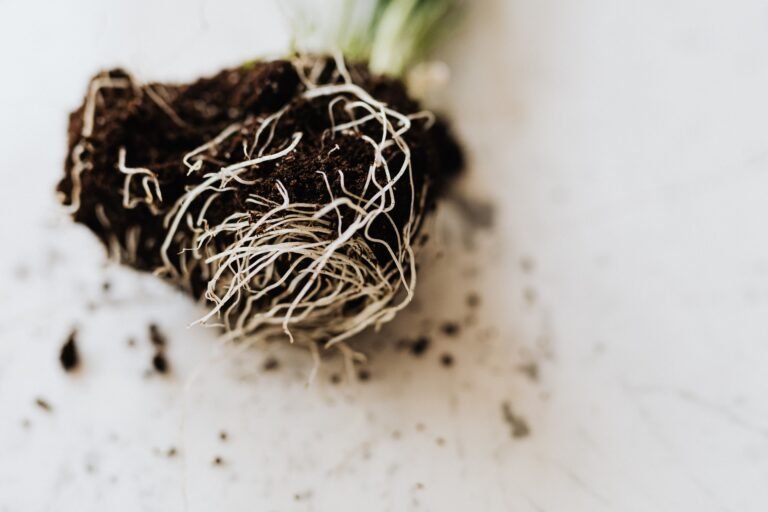
Unlike visible above signs in foliage and topsoil, root-bound is a root-space issue, close observation needed to spot the signs and make sure there’s issue of root-bound. So, this is where you need to understand the real root-bound the signs of it.
What are the clearest signs that a plant has become root-bound?
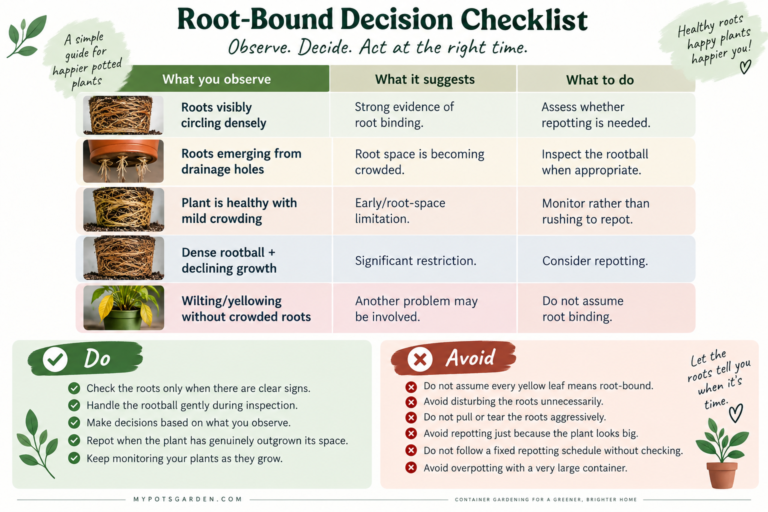
Root-bound is root circling inside the pot i simple terms, it happens because the roots dont find space to outgrown in that container instead of spreading wide like groundbed, root try to search space inside the spot and take all available space.
This is where roots started to peak in drainage holes, you cant notice this until you see bottom of the pot for cleaning or while organizing. Even you notice roots spreading away from pots from draiange holes it’s already plant showing signs of root-bound and indicating repotting.
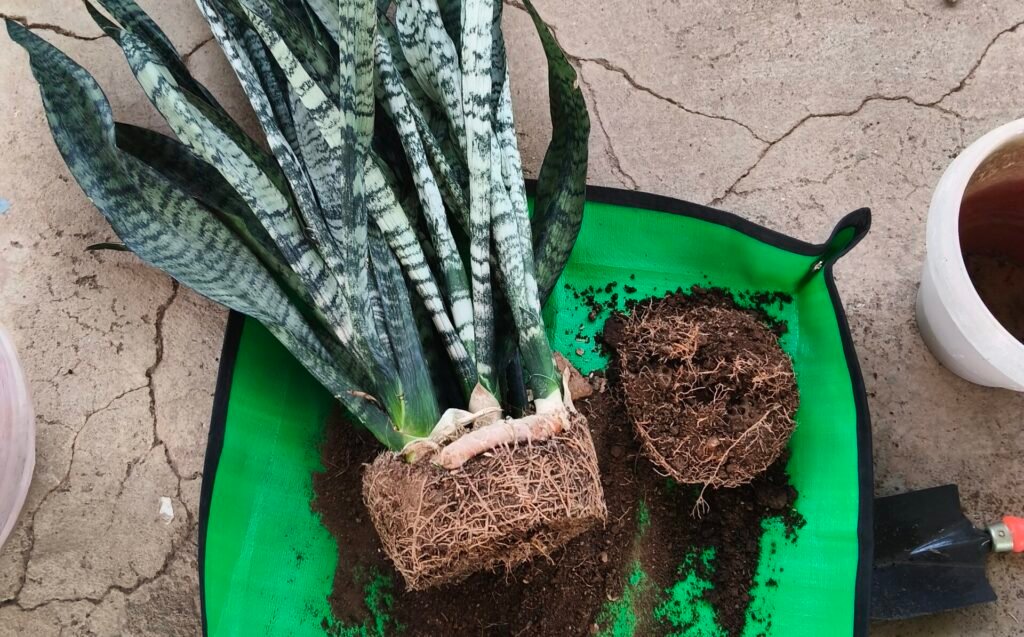
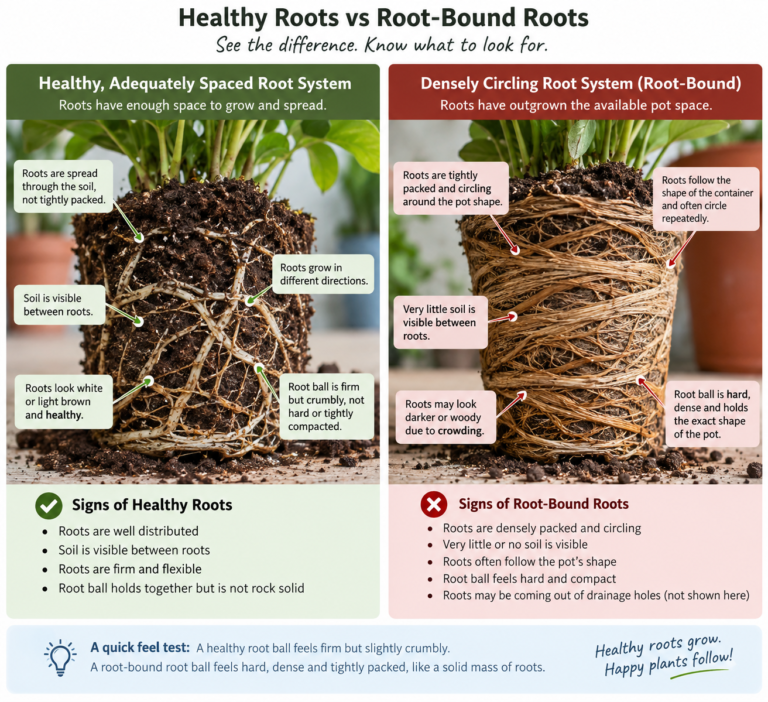
When root bound happen the roots circled inside the root ball and holds the shape of the pot. Roots started to occupy every available space inside the pot.
When should you suspect root binding if the plant looks healthy?
If a plant has no pest or disease, no sunlight related issues, or without any chemical feeding the plants stunted initially without new growth and without problems pay attention, it’s a early sign before yellow leaves or dry soil.
Also, before decide it’s rootbound or time to repot know the timelines and history of that plants. If the plant recently faced any plant problems like pest, disease, overfeed, imbalanced watering, hard-pruning, sudden climate change plant show slow growth and yellow leaves it’s coping mechanism of stress handling not root-bound.
Root bound came along with dry soil, roots peaking drainage holes, top soil show hair like feeder roots combine with stunted growth, yellow leaves and dry soil.
Watching soil shows you better signs than plants, after watering if soil dries faster without hot climate or wind exposure, pay attention to drainage holes to see roots are there. Also this will came along with no new growth.
Vigorous growth, this is where beginners dont pay attention a plant in pot grow faster and fuller in short span of time, you may happy to see that. But that plant suddenly slow down this is where the roots fastly occupy root space and becoming root bound.
Knowing this signs and prepare for repotting helps you avoid plant getting stressed by root-bound.
How can you check the roots without unnecessarily stressing the plant?
While we talking about root bound and repotting, you may panicking and rushing to your plants with similar signs, and if you find that you wanna immediate repot.
No that’s a almost killing a plant. Don’t immediately pull the rootball that will stress the plant and few of the plants are sensitive to root disturbance they will started to root stress and die sometimes.
Just check drainage holes to see any roots peaking, check top soil. Water the plant and observe how gaster the water drains and dries in that soil. Lift the pot to check the weight, without soil and much roots plant feel lighter.
There’s no need to pull rootball, even this all signs didnt give proper answer then water the plant a day before and slowly squeeze the pot if it plastic and gently take root ball to check. (I dont recommend this because wrong handling stress the plant).
Why Do Plants Become Root-Bound More Easily in Containers?
Why do roots eventually run out of space inside a container?
You can’t really compare groundbed plants with potted plants here. In the ground, roots can spread freely through the available soil, but in pots, the root space is limited by the container. This physical boundary is what makes roots become bound instead of continuing to spread across the surrounding soil.
Once the roots outgrow the available space, they start searching for whatever space is left inside the pot. This is why you eventually see those circling roots. As the roots keep growing, they reach the pot walls and start following the shape of the container instead of spreading further outward.
This root circling happens because the roots are constantly searching for more space along with available soil. Once the roots occupy most of the pot, there is less soil left between them. And when there is less soil, there is also less space for the potting mix to hold water for the roots to access later.
So, root-bound is not a disease or something that suddenly went wrong with your plant. It simply means the roots have outgrown the available root space and are looking for more space than the existing container can provide.
Why can the same plant become root-bound faster in one pot than another?
This is where beginners often misunderstand pot size, plant size, and root ball size. Even when a plant grows massive above the soil, its roots don’t always grow at the same rate. The size of the root ball can stay smaller or become larger depending on the plant and its root growth pattern.
So, even if a plant grows faster and becomes much bigger above the soil, its root ball may still stay comfortably within the same pot for months without becoming root-bound. This is why you need to look for root-bound signs instead of deciding that a plant needs repotting simply because it has grown bigger.
Pot walls are rigid, so the available root space cannot expand along with the plant. As the roots gradually grow over weeks and months, they occupy more and more of the existing pot. Eventually, the same pot that once had plenty of room can become too small for the developed root ball.
You don’t need to keep using a much bigger pot just to avoid repotting and the stress that comes with disturbing the roots. The goal is to give the plant adequate root space without unnecessarily overpotting it. In many cases, moving into a container around 2 inches larger than the current root ball can provide enough additional space without jumping to an excessively large pot.
If your plant keeps drying out, staying soggy, or growing slowly, the pot size may be wrong.
Why does a root-bound plant often struggle with water and growth?
A root ball is not just roots; it is roots growing through and holding together the potting mix. This soil mix contains potting amendments and organic matter, and it acts as a temporary water reservoir that holds moisture for the roots to access.
You may also notice tiny, hair-like feeder roots around the larger roots. These fine roots are important for absorbing water and nutrients from the surrounding soil and making them available to the rest of the plant. But as the roots take up more of the available space, there is less soil between them. The amount of potting mix available to hold water can gradually decrease.
This is one reason a root-bound plant may start struggling with watering. You may water the pot, but the plant can still become dehydrated quickly because there is less soil available to hold moisture around the crowded roots. In a balcony or terrace garden, especially during hot Indian weather, this can become more noticeable when containers dry out faster.
And water is not just for keeping a plant hydrated. Plants need water for turgor pressure, nutrient movement, photosynthesis, and several other processes that keep growth going. When water availability becomes inconsistent, the plant starts showing the stress above the soil.
This is why slow growth, drooping leaves, dry potting soil, and other stress signs can eventually appear in a severely root-bound plant. But remember, these symptoms alone don’t prove that the plant is root-bound. The real clue is what is happening inside the pot with the roots and the available soil space.
Now that you understand why roots become crowded and why water and growth can start becoming a problem, the next step is knowing what to do when a plant is actually root-bound — and what you should avoid doing in a panic.
Roots growing out of drainage holes or soil drying too quickly? Your plant may need repotting. Learn the signs: How to Know When a Plant Needs Repotting
What Should You Do When a Plant Is Root-Bound, and What Should You Avoid?
When should you repot a root-bound plant, and when can you leave it alone?
When you growing plants in pot they started to occupy the available space, this is not root bound it’s root establishing. This then goes to crowd crowding still this stage dont need repot but you need to watch for root-bound signs later.
The root-bound is a final stage and sign of the plant need repotting. Because the roots taken alla available space in pot and losing soil.
When you using the see through pot even the small roots crowding looks like the root bound, dont disturb the roots without checking signs I mentioned above.
Also, after you confirm the root bound dont repot immediately. Water the plant a day before then repot before 9 am in the morning or after 5 pm because doing repot in mid day stress the plant more in heat.
Also when I plant become root-bound if that plant is years old and drought tolerant you can root prune over repot because they can tolerate. But this is not for younger plants or annuals.
How should you handle a root-bound plant during repotting without damaging the roots?
Once you confirmed the root bound pick the right size pot to upgrade, that’s the first step. Then choose a light weight soilmix because the roots need time to settle put them on heavy soil trouble soil aeration and drainage.
You cant completely avoid root breakage, tiny feeder roots will break but dont be harsh or rough while handling rootball this is why i insist water a day before and loosen the osil before repotting,
If the pot is plastic squeeze the pot to loosen the rootball if it’s terracotta or metal like pots cant bve squeeze use hand fork to loose the ends in pots to take the root ball without much brekagge.
When you see circled roots try to untangle before repot them to new pot dont put with root bound. That’s it once repot water after a hour deeplly then leave the plant in shade until the soil dont water.
How can you prevent a plant from becoming severely root-bound again?
Roots growing out of drainage holes or soil drying too quickly? Your plant may need repotting. Learn the signs: How to Know When a Plant Needs Repotting
What Is the Most Important Thing to Remember About Root-Bound Plants?
A plant can struggle for many reasons, so don’t assume that every yellow leaf, droopy leaf, dry potting soil, or slow growth means your plant is root-bound. The clearest evidence is what is happening inside the pot. When the roots become densely packed, start circling the container, and have very little soil left between them, that is when root-bound becomes a real root-space problem.
Remember, your plant becoming root-bound is not a gardening failure. It simply means the roots have grown and used up the available space in the container. This is a normal part of growing plants in pots, especially when your plant has been growing well for months.
So, don’t rush to repot just because your plant looks bigger or shows one stress symptom. Look at the roots, understand the situation, and then decide whether the plant actually needs more space.
If you’re still building your container gardening basics, continue with “Container Gardening Basics: A Beginner’s Complete Roadmap.” If you’ve confirmed that your plant needs repotting, read “How to Know When a Plant Needs Repotting” next. You can also learn more about how pot size affects the root space available to your plant before choosing the next container.