Containers are the first environment a plant experiences in balcony and terrace gardening.
Many beginners assume pots are just holders, but in reality, containers directly control:
- Root health
- Water movement
- Heat stress
- Growth limits
That’s why choosing the right pots for your garden is one of the most important decisions a beginner makes. Even before selecting soil or fertilizers, the first thing to consider is where the pot will be placed and how it will be used—on the ground, on railings, or as hanging containers.
The sunlight requirement of the plant and the actual sunlight exposure of the space also influence the ideal pot material. Similarly, the plant’s root ball size determines how much space the roots need to spread and breathe, which directly affects pot size selection.
In container gardening, pots are not just pots. They form a supportive growing environment that must align with the plant’s microclimate needs, especially in balcony and terrace conditions where space, heat, and airflow are limited.
This is why containers deserve their own focused attention in container gardening.
With the right pots, plants, and roots, experience less stress from the restricted conditions of growing in containers. Proper pot selection enables better oxygen flow, effective drainage, adequate root space, and moisture retention, preventing excess water from being trapped in the soil. This alone can keep plants stress-free, roots healthier, and growth more stable—helping plants move from merely surviving to truly thriving.
When the pot choice is careless, plants can decline or die, no matter how precisely watering, feeding, or care is.
Many times, gardeners feel they are doing everything right but still see plants wilting or suffering from issues like root rot. In such cases, the problem is often the pot itself, not poor care or lack of effort. As a beginner, understanding how different pot materials behave across seasons, how pot size affects root health, and why drainage is critical can prevent repeated plant loss.
Whether you are a beginner choosing pots for the first time or an experienced gardener troubleshooting ongoing plant issues, understanding container behavior helps you identify hidden problems early and fix them more easily, without constantly changing plants, soil, or fertilizers.
Containers as a Living System (Not an Inert Object)
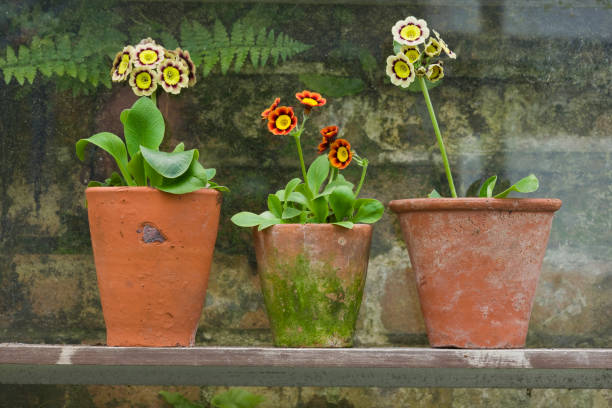
How a Pot Functions as a Mini Ecosystem
Pots are not just objects or a décor item in container gardening. Functionality matters more than looks, especially for beginners. But why?
A container must support airflow inside the potting mix, proper drainage, and enough space for roots to spread. When non-porous pots are chosen only for appearance, roots often suffer from lack of oxygen and excess moisture retention. Similarly, using the wrong pot size compresses root space, which can lead to faster root binding and stressed plant growth.
This is why, as a beginner, clay pots are often a safer choice. They are porous in nature, which helps with aeration and drainage, especially in warm and humid climates. For pot size, choosing a container about 2 inches bigger than the root ball is usually sufficient. The size can be upgraded when you notice roots coming out of the drainage holes.
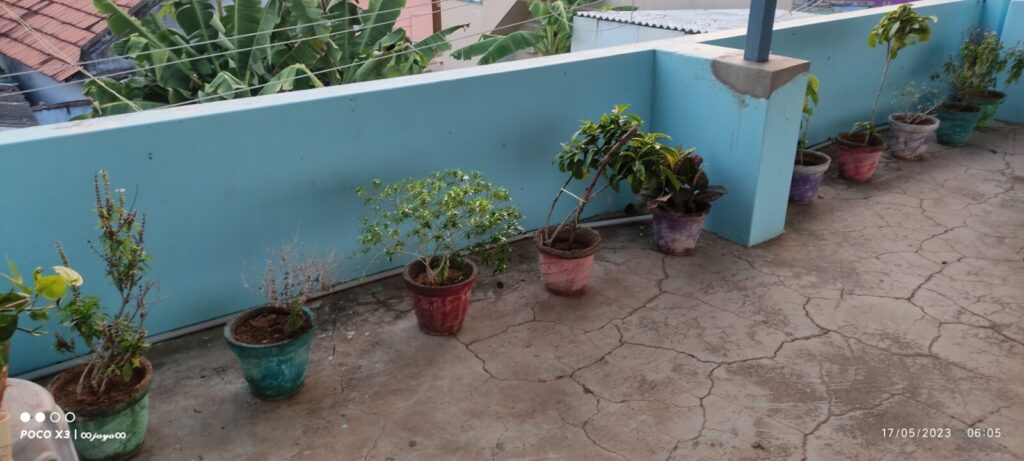
From my own experience, I used plastic pots for a long time before fully understanding pot material behavior. They were lightweight, affordable, and fit my budget. Even now, I don’t feel the need to replace them—I’m not someone who throws away perfectly usable pots just to switch materials. However, the overwatering risk and reduced aeration in non-porous pots are real challenges.
To manage this, I made a few adjustments: adding extra drainage holes, creating a bottom drainage layer, using a well-draining potting mix, and being very mindful about watering. These steps helped, but they also added extra care routines. If you’re completely new to container gardening, starting with clay pots can reduce these struggles and make plant care easier in the beginning.
🌿 Container soil behaves very differently from ground soil — and beginners rarely realise it. Click to learn the real soil rules
Why Containers Behave Differently From Ground Soil
Plants grown in ground beds have unrestricted space for root spreading and natural water absorption. That environment cannot be compared to a 10-inch pot with limited volume. The difference isn’t a flaw—it’s simply the nature of container gardening.
At the same time, containers offer something ground gardening may not: the ability to grow plants without owning land, even in balconies or terraces. That flexibility is what allows many of us to create a green space in small urban homes.
The smarter gardening choice is learning to use the advantages of container gardening—mobility, space control, and plant variety—while managing the limitations through better container choices and care adjustments.
Understanding how potted plants behave differently from ground-grown plants helps stop unfair comparisons. Once that mindset shifts, it becomes easier to read plant signals, choose suitable containers, and grow a wider range of plants confidently—moving gradually from beginner learning to more advanced container gardening.
A common beginner mistake is assuming that roots behave the same way in pots as they do in open soil. In reality, roots in containers depend entirely on the pot for oxygen flow, drainage, moisture balance, and space. Recognizing this difference early helps prevent repeated plant stress and makes container gardening a more rewarding experience.
Size, Shape & Depth: How Pots Control Growth (Quietly)
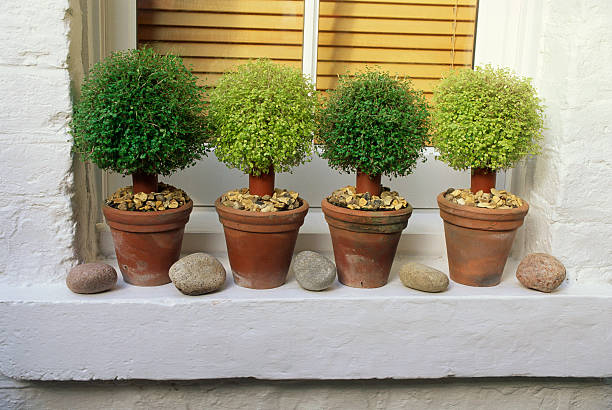
How Pot Size Limits or Supports Growth
I’ve grown native rose varieties in pots and even in porous concrete containers; the plant’s growth and flowering remained limited. During 2018–2019, I shifted those same rose plants into my front-yard ground bed, and the growth pattern changed dramatically. The plants grew close to 6 feet tall and produced large bunches of roses.
That doesn’t mean container gardening failed. In the same ground bed, my chrysanthemum couldn’t survive, while the same plant thrived, flowered, and stayed healthier in pots. This is why plant selection plays a major role in container gardening. When you choose compact or container-friendly plant varieties, the yield and performance improve significantly with the right pot size.
Container gardening naturally comes with limited root space, which does restrict plant growth compared to open soil. But it also offers the advantage of growing plants on terraces, balconies, patios, and even indoors, where ground space isn’t available.
✨ Choosing the right plant matters more than fertiliser or pots. Start with these 4 rules. Explore the full beginner guide
Choosing container-suitable plants along with the right pot size is where the real balance happens. Container gardening works as a system—space, light, soil, plant choice, pot type, and daily care all work together. If one element is missing, plants struggle. The same applies to ground gardening, often with a higher cost and effort.
That’s why understanding the basics and ticking the right boxes slowly helps you develop a reliable green thumb, even in small spaces.
✨ If you’re serious about growing healthy plants in pots, start here — not on random tips. Read the full beginner roadmap
Shape Matters More Than Aesthetics
If you think pot size and shape are only about aesthetics, welcome to the plant-killer club. Pot shape and depth should always be chosen based on root behavior, not looks.
- Tap roots
One main thick root followed by smaller side roots. These are common in plants with thicker stems.
Best suited for deep pots rather than wide ones. - Fibrous (shallow) roots
Fine, hair-like roots are found in many foliage plants, succulents, and some crops.
Best suited for wider pots with shallow to medium depth. - Adventitious roots
Roots that grow from stem nodes, joints, or above the soil surface.
Common in climbing and trailing plants.
Examples: money plant nodes, monstera aerial roots, ivy.
Medium-depth porous pots work best; very deep pots are unnecessary. - Tuberous / storage roots
Thick, swollen roots that store food and help plants survive dormancy.
Examples: sweet potato, dahlia, tuberose.
These plants require deep pots to grow and flower properly.
Matching pot depth and shape to root type prevents long-term stress and supports steady growth in containers.
Common Beginner Mistakes With Pot Size
Overpotting to “avoid repotting.”
Many beginners think that using a much larger pot will delay repotting. In reality, oversized pots— even made of porous materials—hold more water and fertilizer than the plant can use. This often leads to overwatering, fertilizer burn, and salt buildup in the soil.
The safer approach is choosing a pot about 2 inches larger than the root ball and gradually increasing size as the plant grows.
Underpotting due to space or aesthetics
Using small pots just because space is limited—or to match balcony aesthetics—can cause root-bound plants, frequent underwatering, stunted growth, and slow decline in plant health. Tall or vertical plants especially need stable containers with adequate root space.
Understanding these size mistakes early saves both plants and effort in container gardening.
Material Matters: Heat, Moisture & Climate Reality
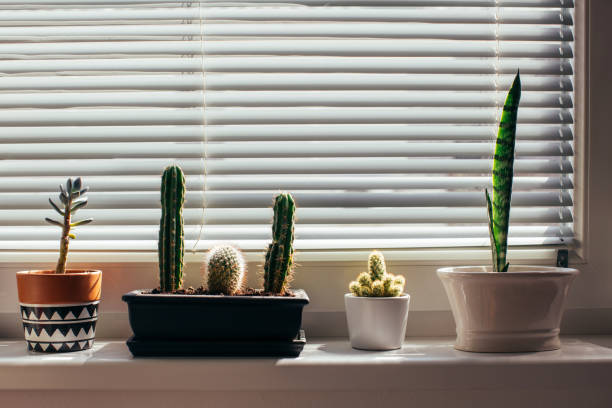
Knowing the Common Pot Materials in Use
Even though many pot materials exist in theory, in real life, the Indian offline market is dominated by clay (terracotta) and concrete pots. In online stores, plastic pots are far more common, with HDPE grow bags and fabric grow bags becoming popular only in recent years.
Other pot materials play a secondary role in Indian gardening. Gardeners who prioritize aesthetics often choose ceramic, metal, or resin pots, while sustainability-focused gardeners experiment with coir planters made from coco coir. Unlike clay or concrete, coco coir pots don’t last very long in outdoor conditions.
From practical experience, porous pot materials—such as terracotta, clay, concrete pots, fabric grow bags, and coco coir pots—are generally better suited for the Indian climate, where airflow and drainage matter more than appearance. Indian growing conditions require containers that allow for aeration and rapid water movement, especially during hot summers and humid seasons.
At the same time, plastic pots dominate container gardening for valid reasons. They are lightweight, widely available, affordable, and easy to move—especially for balconies and terraces. Using any pot material isn’t wrong, but prioritizing functionality over aesthetics makes plant care easier and more consistent.
How Indian Climate Changes Pot Behavior
The Indian climate has its own seasonal fluctuations and unpredictability, and over the past two to three years, these shifts have become more noticeable. Increased pollution, extreme winter humidity, irregular monsoons, and unexpected heatwaves even during the rainy season all affect how pots behave.
These climate changes directly impact both potted plants and container materials. Clay pots are relatively stable and less affected by seasonal changes, while other materials face different challenges depending on the weather.
Metal and plastic pots tend to heat up quickly during summer, increasing root-zone temperature. Fabric grow bags can become unstable during heavy winds or storms. Plastic and resin pots often struggle during periods of high humidity and frequent rainfall, as their non-porous nature slows down drying, increasing the risk of overwatering and root stress.
Understanding how pot materials react to seasonal conditions helps gardeners anticipate problems instead of reacting after plants start declining.
Budget Reality and Repurposing Materials
Many gardeners use old paint buckets, tubs, and containers as planters. Personally, I use them mainly as storage for soil amendments, but repurposing is common and often necessary on a budget.
No matter what material you use, the priority remains the same: the container must support proper drainage, airflow, and a suitable soil mix. Without these basics, plant health suffers regardless of how strong or expensive the container looks.
Repurposed containers should be kept away from constant direct sunlight and heavy rain exposure. Continuous exposure makes them wear out faster, heat up quickly in summer, and take longer to dry during the monsoon. In winter, roots in non-porous containers can suffer more easily due to excess moisture staying in the soil.
That’s why adding extra drainage holes, using a well-draining potting mix, and watering mindfully become essential when working with repurposed or non-porous pots.
If your pots dry too fast or stay wet for too long, the material may be part of the problem. Read: Which Pot Material Is Good for Plants?
Drainage, Weight & Placement: The Hidden Practical Factors
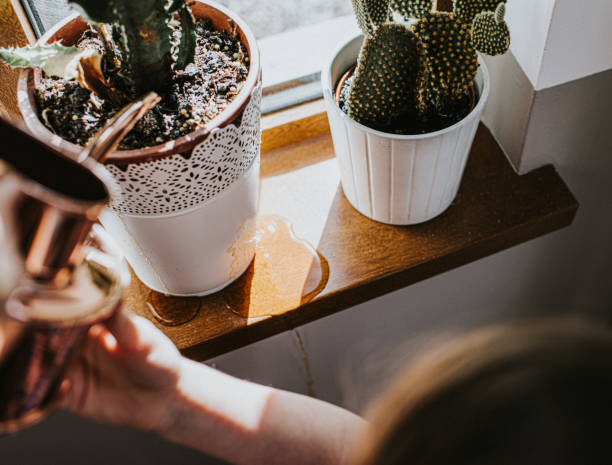
Drainage Holes Are Non-Negotiable in Container Gardening
No matter how good your soil mix is, drainage holes are not optional in container gardening. Pots without proper drainage trap excess water at the bottom, cutting off oxygen to roots and slowly leading to root rot, fungal issues, and stressed plants.
A common beginner belief is that using a “perfect soil mix” alone can fix drainage problems. In reality, soil and drainage work together. Even the most well-draining potting mix will fail if excess water has nowhere to escape. Drainage holes allow gravity to do its job—removing excess moisture and pulling fresh air into the root zone as the soil dries.
This becomes especially important in humid climates and monsoon seasons, where soil already takes longer to dry.
Weight Issues in Balconies: More Than Just Convenience
In balcony and terrace gardening, pot weight directly affects safety, mobility, and daily care.
- Cement pots are stable and less likely to topple in wind, but they become extremely heavy once filled with soil and water. Shifting them for seasonal sunlight or cleaning becomes difficult.
- Plastic pots are lightweight and easy to move, making them practical for balconies. However, when water-logged, even plastic pots add unexpected weight and increase the risk of balcony load stress and messy water seepage.
Water-logged pots also create hidden problems:
- Prolonged wet soil
- Reduced oxygen around roots
- Faster salt buildup from fertilizers
Understanding pot weight helps you choose containers that suit both your space limits and your physical effort.
How Placement and Container Choice Affect Plant Health
Where you place a pot matters as much as what the pot is made of.
- Sun exposure
Dark-colored plastic and metal pots heat up faster in direct sun, increasing root-zone temperature and drying soil unevenly. - Wind stress
Tall plants in lightweight pots are more likely to tip over in open terraces or high-rise balconies, especially during storms. - Daily watering effort
Pots exposed to full sun and wind dry out faster, increasing watering frequency. Heavier, poorly placed pots make this daily routine more tiring and inconsistent.
Choosing the right container type based on placement reduces plant stress and makes care more sustainable in the long run.
Common Beginner Confusion: “Soil Alone Fixes Drainage”
One of the most common beginner misunderstandings is believing that adding sand, cocopeat, or perlite alone can solve drainage issues. While these ingredients improve soil structure, they cannot compensate for poor container design.
Without proper drainage holes:
- Water collects at the base
- Roots remain constantly wet
- Oxygen flow is restricted
Drainage depends on a combination of pot design, placement, soil mix, and watering habits. Ignoring even one of these factors often leads to repeated plant failure, even when care seems correct.
Recognizing this early helps gardeners stop blaming themselves—and instead adjust the system that plants are growing in.
Most beginners think they’re watering correctly — until these hard truths show up. Read the watering truths beginners miss
Conclusion: Choosing Containers With Awareness, Not Perfection
In container gardening, containers guide plant behavior far more than most people realize. They decide how roots breathe, how water moves, how heat builds up, and how much space a plant truly has to grow. When these basics are overlooked, even the best soil and regular care can’t fully compensate.
You don’t need perfect or expensive pots. You need understanding.
Once you learn how pot size, shape, material, drainage, weight, and placement work together, plant care becomes clearer and less stressful.
Learning about containers first helps prevent:
- Repeated plant loss that feels confusing and discouraging
- Frustration from “doing everything right” but seeing poor results
- Wasted money on constant plant replacements and trial-and-error fixes
Container gardening isn’t about shortcuts or hacks—it’s about building a system that supports plants in a restricted environment. When containers are chosen with awareness, plants respond with healthier roots, steadier growth, and better resilience through seasonal changes.
If you’re ready to connect these container basics with watering, sunlight, soil, and plant selection, the Container Gardening Master Pillar brings all these elements together—helping you see the full picture before moving into more specific guides.
Pingback: Why Some Pots Fail in Container Gardening