Should I Keep Moving My Balcony and Terrace Container Plants Every Day for Better Sunlight?
This is exactly what many beginners think they should do when their container plants aren’t getting enough sunlight. When potted plants start growing slowly, develop yellow leaves, stay in soggy soil, dry out too quickly, or simply don’t look healthy, the first instinct is often to keep moving the pots around every day.
It feels like the easiest solution because the sunlight on balconies and terraces changes throughout the year. As the seasons change, the sun’s angle shifts, and one corner that received good light last month may now stay in shade for most of the day.
But this is only half the truth—not completely right and not completely wrong.
Moving potted plants for better sunlight and airflow is sometimes necessary. In fact, one of the biggest advantages of container gardening is that you can move your plants when weather, sunlight, or growing conditions change. But simply shifting pots from one place to another every day without understanding how plants react can create unnecessary stress instead of helping them.
Knowing when to move your container plants and how to move them makes all the difference. Otherwise, it becomes guesswork, with pots being moved randomly across the balcony or terrace, while the real problem may be weak roots, poor soil conditions, or unsuitable light for that particular plant.
In this blog, I’ll help you understand when moving pots actually benefits your plants, the signs that frequent moving may be causing stress, and how to give your balcony and terrace container plants better sunlight throughout the year without creating more problems than you’re trying to solve.
What Signs Make Me Think My Container Plants Need to Be Moved Every Day?
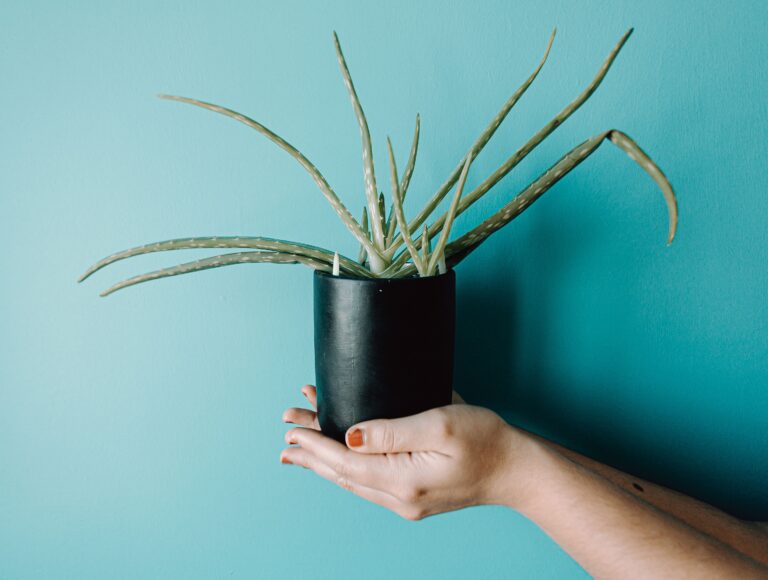
When your container plants start growing slowly, lean to one side, develop yellow leaves, or stay weak even after watering, it’s easy to think they simply need more sunlight. So the first thing many beginners do in balcony and terrace gardening is move the pots around every day, hoping to find a better spot.
Yes, these signs can point to low sunlight or even too much harsh sun. But before you start moving every potted plant, it’s important to understand what these signs are actually telling you. Sometimes the problem is sunlight, while other times it’s something completely different. So, before shifting your pots immediately, understand the signs first and read the next section as well.
Are My Plants Leaning Toward the Light?
You may notice that one side of your potted plant is full of leaves while the other side looks almost bald with very little foliage. This usually shows that the plant has been receiving uneven sunlight for a long time, or that the pot hasn’t been rotated occasionally.
You may also notice stretched stems reaching toward the brightest part of your balcony or terrace. The stems become long with fewer leaves because the plant is trying to capture whatever sunlight is available. Simply put, the plant isn’t producing enough glucose through photosynthesis to support healthy, compact growth.
Sometimes even the leaves lose their normal shape or rich colour. They may become smaller, lighter, or slightly misshapen compared to healthy growth. This also happens when the plant isn’t making enough food because of poor sunlight and reduced photosynthesis.
Why Do Some Pots Look Happy While Others Don’t?
Sunlight isn’t something fixed. It’s always changing in pattern, intensity, and duration. Even within a single day, different corners of your balcony or terrace receive different amounts of sunlight as the sun moves across the sky.
Every spot gets different light depending on your balcony or terrace direction, nearby walls, railings, neighbouring buildings, and surrounding trees. On top of that, the sunlight pattern keeps changing throughout the year as seasons change and the Earth’s position shifts.
That’s why one pot may continue growing beautifully while another, placed only a few feet away, starts showing signs of slow growth, weak stems, or poor flowering. Even plants that were perfectly happy in one location for months can gradually receive less sunlight as the seasons change.
Am I Mistaking Normal Plant Growth for a Sunlight Problem?
After repotting, plants usually need a few days or sometimes even a week to adjust to their new pot and growing conditions. During this time, they may look dull, slightly wilted, or grow more slowly. That’s completely normal and doesn’t always mean they need more sunlight.
The same thing happens after moving plants to a new location. Whether you’re shifting them around your balcony or terrace, every new spot creates a slightly different microclimate with changes in sunlight, airflow, temperature, and humidity. Plants need a little time to adjust before they start growing normally again.
If you’re still unsure whether your plant is actually struggling with too little sunlight or too much harsh sun, don’t rely on guesswork alone. Check my previous blogs on the signs of low-light stress and excess sunlight damage first. They’ll help you identify the real problem before you start moving your container plants unnecessarily.
Before moving your plants into even brighter sunlight, check for these common signs of sun stress: Signs Your Container Plants Are Getting Too Much Sun
Balconies, walls, and nearby buildings can block more sunlight than you realize. Read: Why Your Container Plants Aren’t Getting Enough Light
Why Doesn't Moving Container Plants Every Day Always Improve Sunlight?
Why Do Balcony and Terrace Sunlight Patterns Change Throughout the Day?
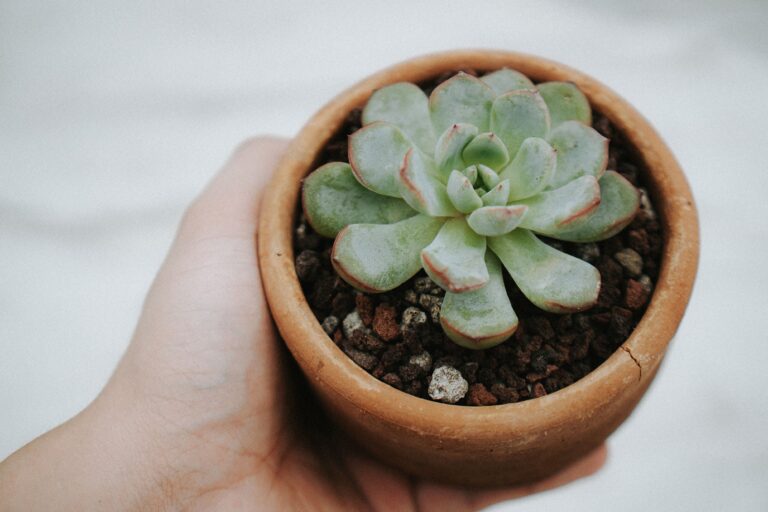
Sunlight isn’t something rigid. It naturally moves across your balcony or terrace throughout the day, and that overall pattern also changes gradually over the months. But that doesn’t mean you need to reposition your container plants every single day.
In most Indian gardening conditions, noticeable sunlight changes usually happen over a period of two to three months as the seasons change. That’s why it’s better to observe your balcony or terrace for a few days before moving your pots, instead of reacting to what happens in just one hour. A little observation often gives you a much clearer picture than constantly shifting plants from one place to another.
Also, every balcony and terrace has its own sunlight pattern. Some receive gentle morning sun, some get harsh afternoon heat, while others experience changing shade from neighbouring buildings, walls, or trees. That’s why copying someone else’s plant placement rarely works. Your garden has its own light pattern, and understanding it helps much more than moving pots every day.
How Can Frequent Moving Stress Container Plants?
Container plants depend heavily on their small growing environment. When you move a potted plant, you’re not just changing its sunlight—you are also changing its entire microclimate. Temperature, airflow, humidity, and even how quickly the potting soil dries can all change from one corner of your balcony or terrace to another.
If pots are moved carelessly, there’s also a higher chance of stressing the plant. Branches or stems may get damaged while lifting, creating wounds that can invite diseases or even stem rot, especially during humid weather.
Unlike plants growing in the ground, container plants already have limited root space. Their potting soil dries faster during hot weather and sometimes stays wet for longer during cloudy or rainy periods. They are already adjusting to these changing soil conditions.
If you keep moving your potted plants before they have fully settled into one location, you’re asking them to adjust again and again. Instead of spending their energy on healthy roots, new leaves, flowers, or stronger growth, they keep trying to adapt to a new environment. Sometimes the best thing you can do is stop moving them, observe how they respond over several days, and only reposition them when the sunlight pattern has genuinely changed.
🪴 Rearranging your pots might feel harmless — but your plants experience it as stress. Read why frequent moving slows growth
How Can I Give My Balcony and Terrace Plants Better Sunlight Without Moving Them Every Day?
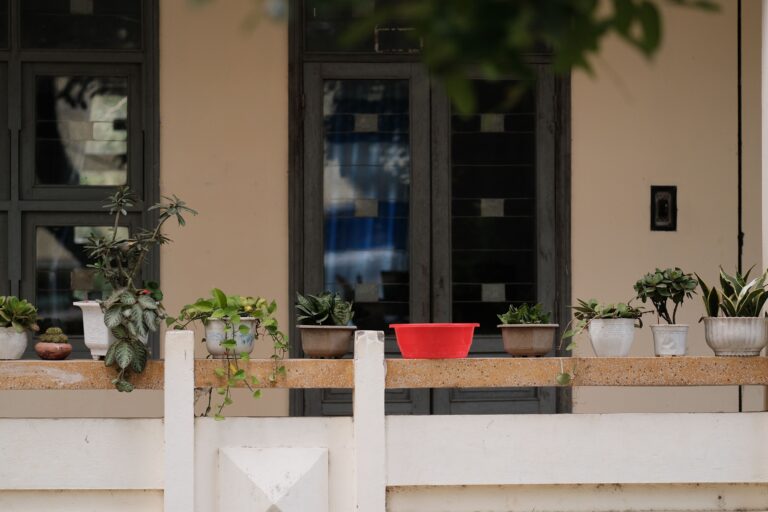
Moving container plants every day isn’t the solution to slow growth, yellow leaves, weak stems, or poor flowering. The real solution is understanding your own balcony or terrace sunlight pattern and placing each plant where it naturally gets the light it needs. Once you understand your space, you’ll move plants less and see better results.
How Do I Find the Best Permanent Spot for Each Plant?
The term permanent spot is something I slightly disagree with because sunlight isn’t rigid. The sunlight pattern changes over the months, so no spot stays perfect throughout the year.
Instead, think of it as finding the best spot for the current season until the sunlight pattern changes again.
To do that, observe your balcony or terrace for at least one or two days from 6 AM to 6 PM. Take a photo every hour. Those photos make it much easier to analyse how long each spot receives sunlight, what time of the day the sunlight reaches, and what kind of sunlight it gets.
The spot receiving direct sun is your direct sunlight area. A little away from that, where sunlight is still bright but not directly hitting the plant, is bright indirect light. As you move farther away, the light intensity gradually reduces from moderate light to low light.
Once you have this personalised sunlight data for your own space, matching each potted plant with its sunlight requirement becomes much easier. That’s the real key to healthy container gardening—not moving pots every day.
When Should I Move a Container Plant Instead?
Plant rotation and moving a plant to a completely different location are not the same thing.
Plant rotation should be done about once a week so every side of the plant receives even sunlight. This doesn’t really change the plant’s microclimate because the pot stays in the same location.
Moving a potted plant to another spot is different. Container plants depend on the microclimate around them—the temperature, airflow, humidity, and light exposure of that location. When you move them somewhere else, they need time to adjust. Sometimes that takes several days, and sometimes even a few weeks. If you keep moving them frequently, they’ll stay under stress instead of settling and growing.
Instead, move container plants only when the seasons change and the sunlight pattern has genuinely shifted. For most balcony and terrace gardens, this usually happens once every 3–4 months. Even then, move them only if they aren’t getting enough sunlight anymore, are receiving excessive rain, or another seasonal condition is affecting their growth.
What Simple Balcony and Terrace Layout Changes Can Improve Light?
Balcony and terrace gardens are not the same. Their layouts and sunlight exposure are completely different.
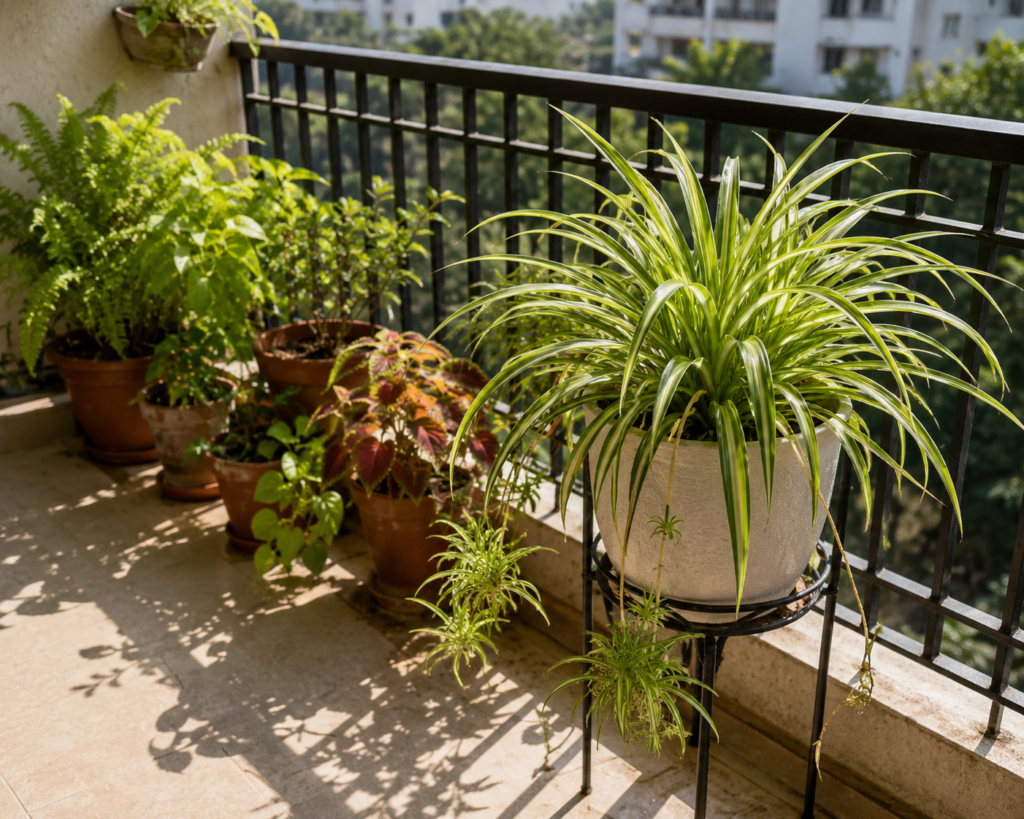
Most Indian balconies have one long horizontal strip with limited vertical space. Spacious square or large rectangular balconies are much less common. In most urban balconies, the front-facing side receives the maximum sunlight, while both sides are blocked by neighbouring concrete walls. If your balcony also receives sunlight from the sides, consider yourself lucky.
Whatever your balcony layout is, spend one or two days observing it from 6 AM to 6 PM, taking hourly photos. This helps you understand the sunlight duration, intensity, exposure, and type for every corner.
Terraces are different. In India, you’ll commonly see three types: fully covered terraces, partially covered terraces, and completely open terraces. Here, besides sunlight, you also need to think about floor heat.
In Indian terrace container gardening, heated floors and hot walls often become a bigger problem than direct sunlight itself.
Once you’ve collected your sunlight observations, arrange plants according to both their light needs and airflow requirements. Avoid crowding plants together because they block both sunlight and air movement.
In balconies, use plant stands to raise shorter plants closer to the grill where they receive better light, while keeping taller plants behind them. This arrangement helps both plant heights receive adequate sunlight. If bushy plants start blocking light and airflow, prune them lightly to reduce overcrowding. Finally, rotate your pots once a week so the entire plant receives even sunlight without constantly changing its growing environment.
Many container gardening problems begin with misjudging sunlight. Learn how to observe it correctly: How to Check Sunlight in Your Balcony or Terrace
What's the Best Long-Term Sunlight Routine for Healthy Container Plants?
The best way to keep your container plants in the right place is to first observe your garden space and understand its available sunlight exposure. Then, simply match each plant with the sunlight it actually needs. That’s a much better approach than moving potted plants every day, hoping they’ll grow better.
Move a plant only when it starts showing clear signs that its current spot is no longer suitable—not because you feel it should be moved or because the sunlight shifted for an hour.
The placement usually needs to change only when the seasonal sunlight pattern changes. That’s all. The real routine is observing both your garden space and your plants, not following fixed schedules or randomly moving pots around.
Also remember that once you move a potted plant to a new location, it needs time to adjust to that spot. Give it a few days before deciding whether the new placement is working. Avoid frequent or unnecessary moving, because every new spot brings a different microclimate that the plant needs time to settle into.
If you still have doubts about sunlight for container plants, explore the Sunlight Guide category below. I’ve gathered all my balcony and terrace gardening sunlight blogs in one place, so you can bookmark the page and come back whenever you need help understanding sunlight exposure, seasonal changes, or choosing the right spot for your plants.
☀️ Everything You Need to Know About Sunlight for Container Plants
Explore our complete collection of sunlight guides covering light requirements, plant placement, seasonal changes, shade solutions, harsh afternoon sun, and more—all in one place. https://mypotsgarden.com/category/container-plant-sunlight-guide/
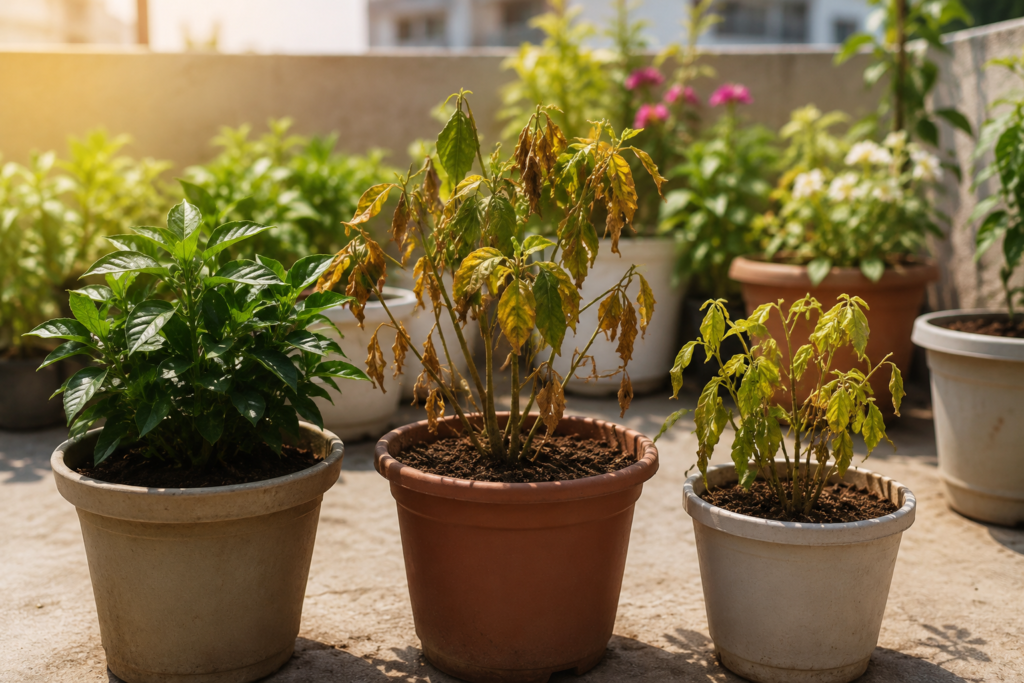
Pingback: How to Check Sunlight in Your Balcony or Terrace