When you start container gardening, one of the most exhausting feelings is seeing yellow leaves, black stems, leaf drooping, or slow plant decline again and again — especially after watering properly and trying your best to care for the plant. After a point, many beginner balcony and terrace gardeners silently think, “Not again… I don’t want to lose one more plant.”
But in container gardening, especially in Indian balcony and terrace conditions, every plant loss slowly teaches you where to pay attention and what mistakes quietly damage roots over time.
Instead of self-blaming and thinking you don’t have a green thumb, you need to identify the real issue behind the yellowing leaves, weak growth, soggy soil, or sudden plant stress. Most beginners immediately focus on sunlight, watering schedules, or fertilizers when potted plants start struggling.
But many times, the real problem sits deeper inside the potting soil.
In container gardening, the soil mix decides everything — how long water stays inside the pot, whether roots can breathe properly, how fast the soil dries in terrace heat, and whether the roots stay healthy enough to handle sunlight and fertilizers. When roots stay stressed for too long, even good sunlight and fertilizers stop helping the plant properly.
Most beginner gardeners understand soil behaviour only after a few years of hands-on experience with balcony gardening and potted plants. But by the time that understanding comes, many plants may already be lost because the early signs were easy to miss.
This is why learning to notice soil-related plant stress early becomes important in beginner plant care.
If your container plants are showing any of these signs, the problem may not be the plant itself — something may already be going wrong inside the soil mix.
- Plants look stressed and dull even after watering
- Potting soil stays wet for too long
- Pots dry out completely even with regular watering
- Leaves turn yellow after repotting
- No new leaves or flowers for a long time
- Foul smell coming from the soil
- Soil becoming compact, hard, or heavy inside the pot
If you have noticed even one or two of these problems in your balcony or terrace garden, continue reading the blog fully. These small signs often appear before sudden plant decline, root rot, or complete plant loss caused by hidden soil issues in container gardening.
🌱 Most container plant problems start with soil — not water or sunlight. Read the 4 soil truths beginners ignore
What Are the Warning Signs That Your Potting Soil Is Slowly Damaging Container Plants?
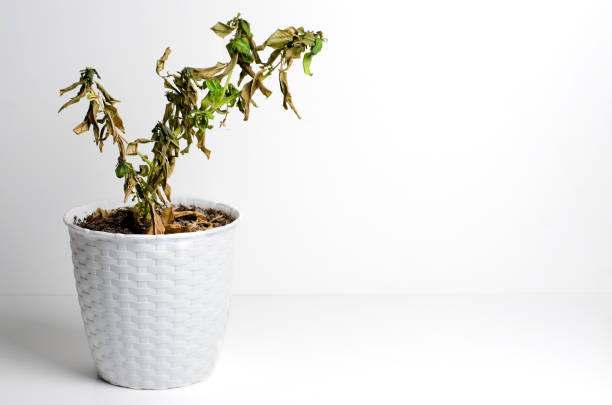
One of the biggest beginner mistakes in container gardening is assuming every plant problem comes from watering, sunlight, fertilizers, or weather changes. When a potted plant starts wilting, yellowing, drooping, or slowing down, we immediately think, “Maybe I watered wrong,” or “Maybe the terrace heat damaged it.”
That may be partially true.
But in balcony and terrace gardening, the real issue often starts much deeper inside the potting soil. Soil is the medium that absorbs water, holds fertilizers, reacts to heat, controls airflow around roots, and decides how healthy or stressed the root system becomes.
If the soil mix is healthy, many plants can tolerate Indian weather fluctuations, terrace heat, strong sunlight, and even occasional watering mistakes. Healthy roots can handle stress surprisingly well.
But when the soil itself is wrong, the plant slowly loses its tolerance. That is when yellow leaves, soggy soil, weak roots, fungal infections, and sudden plant decline start appearing one after another.
These warning signs usually mean the potting soil is damaging the plant instead of supporting healthy growth. Paying attention early can save you from losing one more container plant.
Why are lower leaves turning yellow even when the plant gets enough water?
This usually happens when the potting soil stays wet for too long and creates a stressful root environment inside the container.
Yes, the plant may be getting enough moisture. But if that moisture does not dry properly even after a few days, the soil slowly starts creating fungal problems around the roots. Over time, trapped moisture inside the pot leads to root stress and eventually root rot if ignored.
Many beginners see yellow leaves and water even more, thinking the plant looks weak or thirsty. But in reality, the roots may already be suffocating inside soggy soil.
This happens mostly because the soil lacks proper drainage and airflow. Dense soil texture traps water longer than necessary, especially in Indian balcony gardening, where humidity, monsoon weather, and poor airflow slow down drying even more.
Using garden soil alone inside pots is one of the biggest reasons for this problem. Over time, that soil becomes compact, heavy, and moisture gets trapped deep inside the container.
Why does the soil stay wet for days after watering?
This wet soil problem usually happens because of two common beginner container gardening mistakes:
- Using garden soil alone in pots
- Using moisture-holding ingredients without enough drainage materials
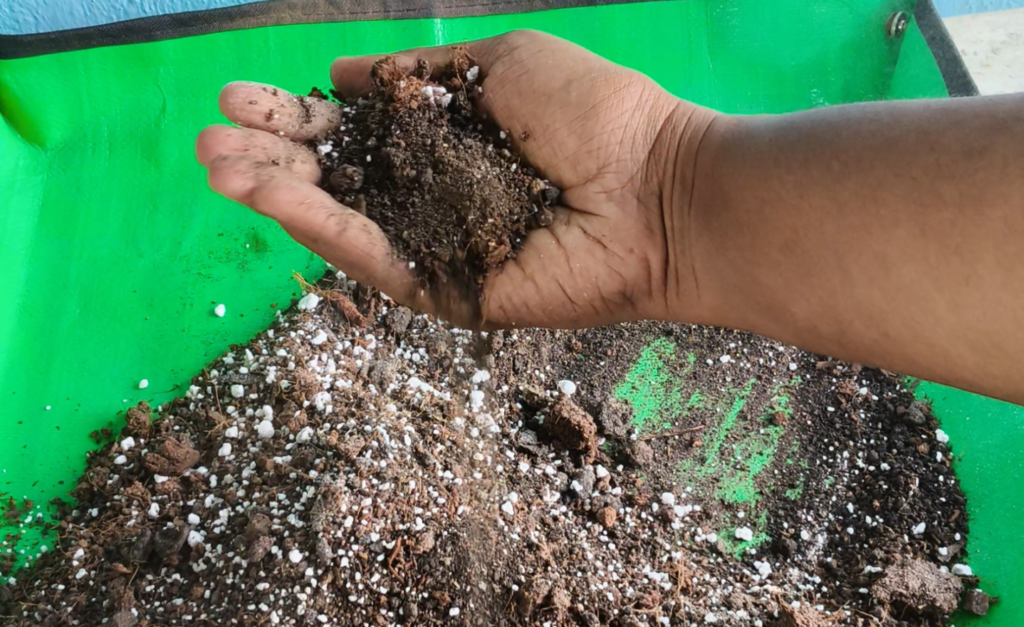
Many beginners mix garden soil, compost, and cocopeat, thinking it will create a “rich” potting mix. But without drainage amendments like perlite, pumice, coarse sand, or coco chips, that mix behaves more like a wet sponge than healthy container soil.
Garden soil holds moisture naturally. Cocopeat also retains water for a long time. Compost stores moisture, too. When all three are combined without airflow materials, the air pockets inside the soil stay filled with water instead of oxygen.
That is when the soil feels wet for days.
In healthy container gardening soil, the surface may dry earlier while slight moisture remains deeper inside the pot. But if the entire pot stays wet for 3–4 days continuously, especially during cloudy or monsoon weather, fungal issues start increasing rapidly.
This is one of the most common hidden soil issues in balcony and terrace gardening.
Why are plant roots becoming weak or black after repotting?
Repotting is one of the most stressful stages for container plants. Even one careless movement while handling roots can disturb the plant badly. A small stem injury, stressed root ball, or excess moisture after repotting can quickly turn into stem rot or root rot.
Many beginners underestimate how sensitive roots become during this stage.
Especially with nursery plants grown in heavy red soil, problems happen very easily. If you place the entire nursery root ball directly into a new pot without loosening that compact soil, it acts like a “pot inside a pot.” Water stays trapped around the roots and dries unevenly, which increases root rot risk.
But aggressively removing all the soil from the roots also damages fine feeder roots badly.
This is why balanced handling matters during repotting.
The roots should be cleaned gently without excessive disturbance. After that, using a balanced potting mix with an airy soil texture becomes very important for root recovery.
After repotting, many beginners deeply drench the pot immediately or add fertilizers, thinking it will help with faster growth. But during this stage, stressed roots cannot handle heavy watering or chemical fertilizers properly.
For newly repotted plants:
- Light watering works better initially
- Good soil aeration matters more than fertilizers
- Indirect sunlight helps reduce stress
- Overwatering becomes dangerous very quickly
And honestly, using random bagged potting soil, plain garden soil, or one soil mix for every plant type can damage repotted plants much faster than beginners realize.
Why do some container plants dry out quickly while others stay soggy?
One of the most confusing parts of beginner container gardening is seeing one pot dry completely within a day while another stays wet for several days — even when both are in the same balcony or terrace.
Most of the time, the answer is not watering inconsistency. It is the soil mix.
Poorly aerated soil or garden soil-heavy mixes usually stay wet longer because water cannot move properly through the container. At the same time, lightweight mixes in small pots may dry extremely fast under terrace heat and strong airflow.
Many beginners follow “one soil recipe for all plants” from gardening videos or influencer content. But different plants have different root systems, moisture tolerance, and airflow needs.
Not every plant absorbs water the same way.
Some plants prefer slightly moist soil. Others need faster drying between watering cycles. Some roots tolerate compact soil better, while others rot quickly if airflow is reduced.
Even inside the same terrace garden:
- Small pots dry faster
- Large pots retain moisture longer
- Terracotta dries faster than plastic
- Wind exposure changes drying speed
- Sunlight intensity affects soil temperature
- Balcony airflow changes moisture retention
This is why soil behaviour in container gardening cannot be copied blindly from one setup to another.
Without understanding how pot size, pot material, microclimate, sunlight, airflow, and root type affect soil drying, many beginners unknowingly ignore the real problem happening inside the pot.
And once roots stay stressed for too long, the plant slowly starts showing it through yellow leaves, weak growth, fungal issues, and sudden decline.
If these signs already feel familiar in your balcony or terrace garden, continue reading the full blog carefully. Understanding soil behaviour early can prevent many beginner container gardening mistakes before they turn into complete plant loss.
Yellow leaves, drooping, and soggy soil may be signs of poor drainage damaging roots. Read: Why Poor Drainage Suffocates Potted Plants
Why Do Soil Problems Happen Faster in Balcony and Terrace Container Gardening?
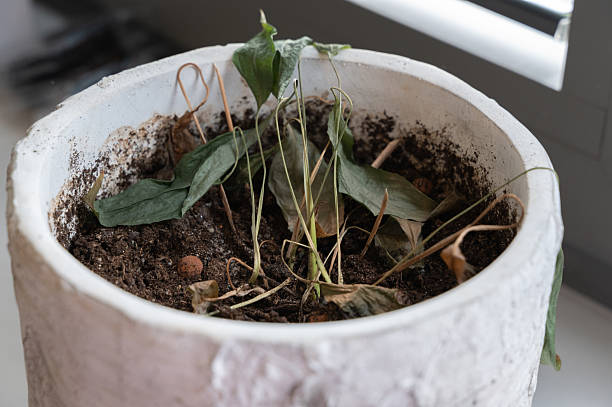
One thing many beginner gardeners realize very late is this: potted plants live in a very limited root space. Unlike ground soil, container gardening has no large buffer space to balance watering mistakes, excess fertilizer, trapped moisture, or sudden weather fluctuations.
Whatever we add to the pot mostly stays inside the pot.
That is why in balcony and terrace gardening, the quantity of watering, the type of soil mix, fertilizer frequency, and even pot size matter much more than beginners expect.
This limited root space traps moisture faster, reduces airflow around roots, slows down drying, and even keeps fertilizer salts inside the potting mix longer. When this continues repeatedly, the roots slowly become stressed without visible signs at first.
Why does terrace heat affect potting soil so much?
Container gardening in Indian weather conditions works very differently compared to cooler countries or open ground gardening.
In many Indian balconies and terraces, the floors are concrete or tiles. These surfaces reflect and hold heat strongly throughout the day. Sometimes the heat coming from the floor becomes harsher than direct sunlight itself.
This reflected floor heat keeps changing the temperature inside the potting soil. Plastic pots especially trap this heat badly. Sometimes you can even notice a sweating-like moisture buildup around the pots because of temperature fluctuations.
This terrace heat causes:
- Faster drying in small pots
- Heat stress around roots
- Faster fertilizer salt buildup
- Sudden moisture fluctuations inside the soil
And during monsoon or winter, the opposite problem happens. The floor stays cool and humid for longer periods, which slows down soil drying and increases root rot risk.
This is why airy potting mix matters so much in Indian container gardening. Good airflow inside the soil helps roots tolerate these constant moisture and temperature changes better.
Simple things like:
- Using pot stands
- Avoiding direct floor contact
- Keeping airflow between pots
- Using a well-draining soil mix
can reduce root stress more than beginners realize.
Why does monsoon weather make soil problems worse in containers?
In container gardening, pots already have restricted root space and limited airflow. The pot material, pot depth, and pot size all affect how fast or slow the soil dries.
The balcony and terrace placement creates another layer — microclimate.
One corner may dry quickly because of airflow and indirect sun, while another corner stays damp for days because of stagnant air.
In Indian monsoon gardening, the problem is not always heavy rain itself. Light rain or drizzle can usually be managed by changing plant placement.
The real issue starts during continuous cloudy days:
- No proper sunlight
- Excess humidity in the air
- Lack of airflow in balconies
- Stagnant moisture around pots
This slows down the soil drying window badly.
Many beginners touch the topsoil and think the pot looks dry. But inside the container, moisture may still be trapped heavily around the roots.
That is why airy soil mix and well-draining potting mix become extremely important during seasonal changes. Good soil structure handles part of the moisture balance naturally.
During the monsoon, sometimes simply reducing deep watering is enough because the soil is already holding hidden moisture longer than expected.
Why does soil become hard and compact inside pots over time?
Mostly because of excessive garden soil.
Many beginners believe using plain garden soil is the “natural” way for container gardening. But ground soil and potted plant soil behave very differently.
In ground beds, soil has:
- Natural drainage depth
- Earthworms and microorganisms
- Better airflow movement
- Large buffer space for moisture balance
But inside pots, garden soil slowly becomes compact after repeated watering.
Adding compost heavily into that compact soil increases moisture retention even more. Without proper drainage materials or soil texture, the pot slowly turns dense and airless.
This compaction may not always feel rock hard immediately. Sometimes it feels soft on top but still traps moisture heavily inside the root zone.
Garden soil is not completely bad. It can work as one part of a balanced soil mix. But using it alone or in excessive amounts usually creates long-term soil drainage problems in containers.
Why do beginner container gardens face more drainage problems?
Most beginner drainage problems happen because several small mistakes combine:
- Restricted root space
- Wrong pot size
- Pots without drainage holes
- Poor airflow around containers
- Heavy moisture-retaining soil mix
- Lack of soil structure inside the pot
Healthy container soil should have structure.
That structure creates tiny air pockets inside the potting mix. These spaces allow excess water to flow out while still keeping balanced moisture around the roots.
Good drainage does not mean the soil should become bone dry immediately.
It means:
- Excess water can escape properly
- Moisture stays balanced
- Roots get airflow
- Soil dries gradually instead of staying soggy
When beginners overlook drainage, the roots stay stressed continuously. And once root health weakens, yellow leaves, fungal issues, weak growth, and sudden plant decline start appearing one by one.
If your balcony or terrace plants are repeatedly struggling, no matter how carefully you water, the real issue may already be happening inside the soil structure itself. Continue reading the full blog because understanding drainage and soil behaviour early can save many beginner container plants before root damage becomes severe.
Slow growth, yellow leaves, and compact soil often start with the wrong potting mix. Learn why: Plants Not Growing in Pots? Best Potting Mix Guide
How Can Beginners Fix Potting Soil Problems Without Making Gardening Complicated?
One thing beginners need to understand early in container gardening — no premium potting soil bag can magically fix unhealthy roots or poor soil structure. The same goes for the “one soil mix for all plants” idea. It sounds simple, but different plants react differently to moisture, airflow, and soil texture.
The easier and safer approach is learning simple soil mix ratios based on plant type instead of blindly following random soil recipes.
That is exactly why I created my free soil mix ratio guide — to help beginners make balanced potting soil for balcony and terrace gardening without overcomplicating things. 👇
Lorem ipsum dolor sit amet, consectetur adipiscing elit. Ut elit tellus, luctus nec ullamcorper mattis, pulvinar dapibus leo.
Confused About Potting Soil Ratios?
Learn simple soil mix ratios for container plants without making gardening complicated. This beginner-friendly PDF helps balcony and terrace gardeners avoid soggy soil, root rot, poor drainage, and overwatering mistakes.
- ✔ Soil mix ratios for different plant types
- ✔ Beginner-friendly drainage tips
- ✔ Prevent root rot & compact soil
- ✔ Perfect for Indian balcony gardening
Healthy Roots Start With Soil
Avoid yellow leaves, soggy pots, compact soil, and weak roots with the right potting mix structure.
How can you improve drainage in balcony pots naturally?
Imagine filling a glass completely with plain garden soil.
No amendments. No texture. No air pockets.
The soil fills tightly inside the glass with almost no space left for airflow or water movement. Even if the glass has holes, water still stays trapped longer because the soil structure itself is dense and compact.
Now imagine filling that same glass with:
- Garden soil
- Cocopeat
- Coconut husk chips
- Perlite or pumice
Suddenly the soil structure looks different.
The mix feels lighter. Small air spaces form naturally inside the potting mix. The soil does not stick together tightly, and water can move through the container instead of sitting heavily around the roots for days.
That is what healthy drainage actually means in container gardening.
Drainage is not only about holes at the bottom of pots. Soil structure matters equally.
Pot material also changes how moisture behaves:
- Terracotta pots
- Coco coir pots
- Fabric grow bags
These porous containers naturally improve airflow and moisture evaporation, so they usually need fewer drainage holes.
But with:
- Plastic pots
- HDPE grow bags
- Resin pots
- Metal containers
you need proper bottom drainage holes and sometimes even side aeration holes because these materials trap heat and moisture much longer.
It may not always look aesthetically perfect. But plants care more about survival than aesthetics.
If you want lower maintenance and fewer drainage issues in balcony gardening, porous pots usually make container gardening much easier for beginners.
How often should potting soil be refreshed in container gardening?
You do not need to completely replace potting soil every few weeks.
Usually, full soil refreshing happens during repotting — maybe once in several months or once a year depending on the plant type, root growth, and soil condition.
But between repotting cycles, soil still needs small maintenance.
One simple method is top dressing:
- Adding compost + cocopeat mix on top
- Refreshing nutrients slowly
- Improving moisture balance
If you notice the soil drying slower than before, you can gently add perlite or pumice around the pot edges using a hand fork without disturbing the main root ball.
Sometimes the top layer of soil becomes compact from repeated watering. Loosening the surface and edges lightly with a hand fork helps improve airflow again.
Small maintenance like this keeps balcony and terrace potting soil healthier for longer without stressing roots repeatedly.
How can beginners avoid overwatering problems caused by bad soil?
The biggest mistake is trying to “fix” overwatering only with watering schedules.
If the soil itself is bad, even the best watering hacks will not fully help.
First fix the soil.
A well-draining, airy soil mix already reduces many overwatering problems automatically because excess moisture can escape properly and roots get enough airflow.
Many beginners think overwatering means watering too frequently.
But in container gardening, overwatering often happens silently.
The topsoil may look dry while the inside of the pot still holds trapped moisture around the roots. Beginners see the dry surface and water again, slowly keeping the root zone constantly wet.
This hidden moisture problem usually happens because of:
- Imbalanced soil mix
- Poor drainage
- Weather fluctuations
- Lack of airflow
- Monsoon humidity
- Heavy garden soil
Instead of following fixed routines, watering should change based on:
- Climate
- Pot size
- Soil texture
- Season
- Balcony airflow
- Plant type
Simple habits like:
- Stick test for checking moisture
- Lifting pots to feel weight
- Observing leaf firmness
- Adjusting watering during cloudy weather
help much more than strict schedules.
What type of soil works better for beginner container gardening?
Do not overcomplicate potting soil.
And do not fall for the myth that expensive premium potting mixes automatically solve every container gardening problem.
In Indian balcony and terrace gardening, the biggest challenge is usually drainage and aeration — not fertilizers.
Concrete floors, tile heat reflection, humidity, limited airflow, compact spaces, and sudden weather changes already stress roots enough. Heavy soil makes that stress worse.
A good beginner-friendly soil mix should mainly focus on:
- Airflow
- Drainage
- Balanced moisture retention
- Healthy root space
The exact soil ratio can change depending on the plant type, pot material, and growing conditions. But the base principle stays the same:
the soil should stay airy, loose, and well-draining instead of dense and moisture-trapping.
Once the soil structure becomes healthier, many common potted plant problems slowly reduce naturally. And that is when container gardening starts feeling less confusing and more manageable for beginners.
Can Damaged Container Plants Recover After Soil Problems Are Fixed?
Yes — many stressed container plants can slowly recover once the soil problems are corrected and the roots start getting a healthier environment again.
One thing beginner gardeners learn with experience is this: plants usually decline slowly before they die completely. Yellow leaves, weak stems, drooping, no new growth, soggy soil, dry compact soil — these are often stress signals, not always permanent damage.
In balcony and terrace container gardening, roots go through a lot. Indian weather fluctuations, terrace heat, monsoon humidity, poor airflow, compact soil, overwatering, and heavy soil mixes all slowly stress the roots without beginners realizing it immediately.
But plants also respond surprisingly well when the root environment improves.
Once the soil becomes airy and well-draining, excess moisture reduces, airflow improves, and watering becomes balanced, many container plants slowly start pushing healthy new leaves again. Growth may not become fast overnight, but the plant usually starts looking less stressed little by little.
This is why soil matters more than many beginners expect.
A lot of gardeners focus only on fertilizers, watering schedules, or sunlight positions while ignoring what is happening inside the pot. But healthy roots are what help the plant actually use water, nutrients, and sunlight properly.
Container gardening becomes much less confusing once you stop seeing soil as “just dirt” and start understanding it as the foundation of root health.
And honestly, many beginner gardening struggles become easier after understanding simple soil behaviour:
Why some pots stay wet too long
Why roots rot in heavy soil
Why terrace heat dries pots faster
Why airflow matters in balcony gardening
Why different plants need different soil textures
These small observations slowly build real gardening confidence.
You do not need perfect gardening skills to grow healthy plants. Most of the time, plants simply need a soil mix that supports healthy roots instead of constantly stressing them.
If you are still struggling with yellow leaves, slow growth, soggy soil, or weak roots in your balcony or terrace plants, continue learning about:
Best potting mixes for container plants
Signs of poor drainage in pots
Beginner-friendly soil mix recipes
Understanding these basics early can save many plants, reduce beginner mistakes, and make container gardening feel calmer, easier, and far less overwhelming over time.
Still Confused About Soil, Watering & Plant Stress?
Watch simple beginner-friendly container gardening videos about potting soil, drainage, root rot, balcony gardening, terrace gardening, and healthy plant care.
- ✔ Real beginner container gardening tips
- ✔ Soil mix & drainage explained simply
- ✔ Balcony & terrace gardening guidance
- ✔ Plant recovery and root health tips
Gardener Jay
Simple container gardening guidance for beginners struggling with yellow leaves, soggy soil, weak roots, and plant stress.