“I thought keeping my plants outdoors was enough for them to get sunlight.”
That’s a belief many gardening beginners have when they start container gardening. I believed it too. After all, if a potted plant is sitting on a balcony or terrace, it should be getting enough sunlight… right?
But the truth about sunlight is very different.
Sunlight isn’t fixed throughout the year. It keeps changing based on the Earth’s movement, your balcony or terrace direction, nearby buildings, walls or trees, and even the time of day and season. The same spot that gets plenty of sunlight in summer may stay in shade during winter or the monsoon. This is one of the biggest reasons why many outdoor container plants don’t get enough light, even though they’re kept outside.
If you’re unaware of these changes, you may keep wondering why your potted plants have slow growth, yellowing leaves, weak stems, soggy soil that stays wet for too long, or soil that dries much faster than expected. Your balcony or terrace plants may simply look stressed without any obvious pest or watering problem. In many cases, the missing piece isn’t fertilizer or watering—it’s understanding the sunlight your space actually receives.
Another common mistake is believing every balcony and terrace gets similar sunlight exposure. They don’t. Even two balconies in the same apartment can receive completely different light depending on their direction and surroundings. Likewise, an open terrace and a roof-covered terrace behave very differently when it comes to sunlight intensity and duration.
Once you learn to read your plants, observe your growing space, and match your container plants with the right light conditions, everything starts making much more sense.
In this blog, you’ll learn the common signs that your container plants aren’t getting enough sunlight, why it happens in balcony and terrace gardening, and how to fix it without buying expensive tools—simply by observing, planning, and understanding your space better.
Read this blog till the end, and you’ll know how to make the most of the sunlight your garden already has.
What Are the Signs My Balcony or Terrace Plants Aren't Getting Enough Light?
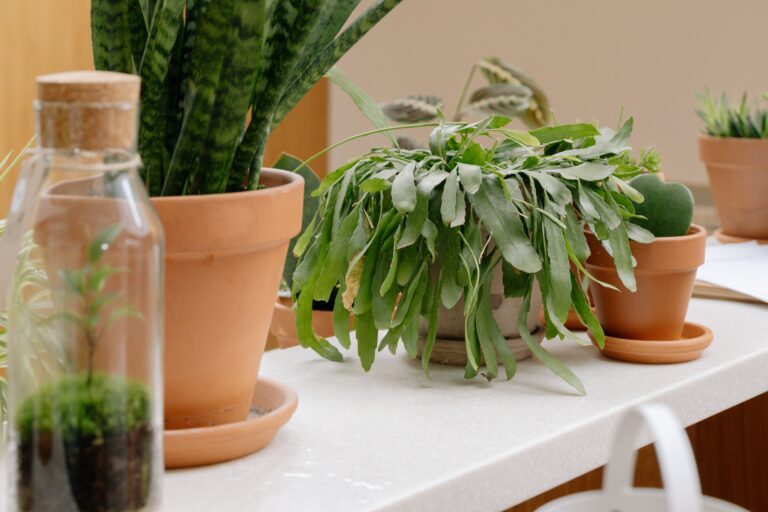
After moving your plants outdoors, you might notice a few small changes. Most beginners overlook these signs because they seem subtle at first, or simply don’t realize they’re connected to sunlight.
But these early symptoms are your plant’s way of telling you it’s struggling with low-light conditions. If you learn to recognize them early, you can fix the problem before your container plants start declining. The reason is simple—without enough sunlight, photosynthesis slows down. Less photosynthesis means less glucose, and glucose is the plant’s food that supports every stage of growth and survival.
Why Are My Plants Growing Tall but Looking Weak?
At first glance, you may think your plant is growing taller. But if you look closely, you’ll notice it isn’t really growing well. Instead, it has long, bare stems with fewer leaves, and the whole plant starts leaning toward the direction where light is available.
This happens because of insufficient sunlight. With less photosynthesis, the plant produces less glucose, so it cannot support healthy leaf growth. Since leaves are the parts that capture sunlight, the plant reduces leaf production to save energy while stretching its stems in search of better light.
These container plants often end up with very few leaves, little to no visible growth, and poor flowering or fruiting. Even if flower buds or tiny fruits appear, they often dry up or drop before they fully develop.
Why Are New Leaves Smaller, Pale, or Slower to Grow?
To understand this, you first need to understand what sunlight actually does for a plant.
Using sunlight, water, and carbon dioxide, plants perform photosynthesis. This process produces glucose, which acts as the plant’s food.
That plant food supports everything—new leaves, stronger roots, healthy growth, flowering, and fruiting.
When sunlight becomes limited, photosynthesis slows down. As glucose production decreases, the plant starts rationing its food. Instead of investing energy in new growth, it focuses only on staying alive.
That’s why new leaves often become smaller, grow much more slowly, and sometimes appear pale or light green because the plant cannot maintain healthy chlorophyll production efficiently. In many balcony and terrace gardens, this is one of the earliest signs of low-light stress, even before the plant looks unhealthy.
Why Isn’t My Container Plant Flowering or Fruiting?
Flowering and fruiting aren’t part of a plant’s basic survival. They’re signs that the plant has enough energy not only to survive but also to thrive.
For that to happen, the plant needs all of its basic growing conditions—adequate sunlight, water, healthy soil, nutrients, airflow, regular care, and protection from pests.
Without enough sunlight, the plant struggles to produce enough glucose even for normal growth. So naturally, flowering and fruiting become a lower priority.
Think about it this way. If the plant is already struggling just to grow new leaves and stems, how can it afford the extra energy needed to produce flowers and fruits?
Why Does My Plant Look Healthy but Never Really Grow?
There’s a simple way to describe this—stunted growth.
The plant survives, but it never really thrives.
Months pass, yet you don’t notice much change. New leaves appear very slowly, the plant stays almost the same size, and flowering or fruiting rarely happens.
This usually happens because the plant is receiving some of its growing needs, but not enough to support continuous growth. It may be getting water, nutrients, and even a little sunlight, but the overall light exposure is still too limited for healthy photosynthesis.
The plant keeps itself alive with the little glucose it can produce, but it doesn’t have enough energy to move beyond survival. Once you recognize this pattern, you’ll be much closer to finding the real cause instead of repeatedly changing fertilizers, watering schedules, or potting mixes that were never the actual problem.
If your plants are stretching, wilting, or growing slowly, incorrect sunlight may be the reason. Read: How Much Sunlight Do Container Plants Need?
Why Do Container Plants Outdoors Still End Up in Low Light?
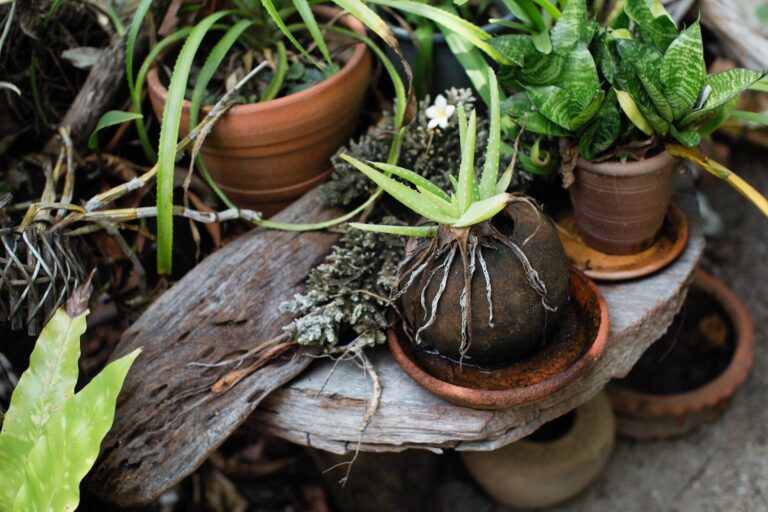
Simply placing your pots outdoors doesn’t automatically fulfill your plants’ sunlight needs. That’s one of the biggest misconceptions in beginner container gardening.
To understand why your balcony or terrace plants still struggle with low-light stress, you first need to understand how outdoor sunlight actually works and what affects the sunlight your growing space receives. Read this section fully, because once you understand these factors, you’ll stop guessing and start placing your plants where they’ll actually thrive.
Is My Balcony Facing the Wrong Direction?
Your balcony direction definitely affects how much sunlight your plants receive. In general, east-facing and south-east-facing balconies receive better sunlight than north- or west-facing balconies, especially under Indian gardening conditions.
But balcony direction isn’t the only factor.
Even an east- or south-facing balcony can receive poor sunlight if something else interrupts the sun’s path. Likewise, having a north- or west-facing balcony doesn’t mean you can’t grow plants successfully.
If your balcony faces east or south, you already have an advantage. If it faces north or west, don’t assume your gardening options are limited. Spend time observing how sunlight moves through your space. You’ll often discover bright spots that receive enough light for many container plants—you just have to find them instead of assuming the entire balcony gets the same amount of sunlight.
Are Nearby Buildings, Walls, or Trees Blocking the Sun?
Maybe.
Even if your balcony faces east or south, nearby apartment buildings, boundary walls, or large trees can block direct sunlight either completely or for several hours of the day.
This creates limited sunlight exposure even though the direction seems ideal.
These are factors you usually can’t control, but you can learn to work with them. For example, if trees filter the sunlight instead of blocking it completely, your plants may receive dappled sunlight. It’s softer and less intense than direct sunlight, but many foliage plants can still grow well in these conditions.
Instead of focusing on what blocks the sun, learn to observe and utilize the sunlight your garden actually receives.
Am I Keeping My Pots in the Wrong Spot?
Very often, yes.
Many beginners place their pots wherever there’s empty space without first observing the sunlight duration, intensity, and movement throughout the day. Sometimes they decide based on seeing sunlight for just one hour, assuming that spot stays sunny all day.
It doesn’t.
Keeping pots behind balcony railings or grills can reduce the sunlight reaching your plants. On hot summer days, metal railings can also radiate extra heat, creating unnecessary stress. Likewise, placing pots under roof overhangs, beside large furniture, or in permanently shaded corners reduces both sunlight intensity and the total hours of light your plants receive.
Even a small difference matters.
If a container plant needs around six hours of moderate sunlight every day but receives only four or five hours, it may still survive—but it can continue showing slow growth, weak stems, fewer leaves, and stunted development because its light requirement isn’t fully met.
Do Larger Plants Create Shade for Smaller Pots?
Yes… and no.
It mostly depends on how you arrange your container plants.
If tall plants are spaced properly and positioned thoughtfully, they usually won’t interfere much with the sunlight reaching nearby pots.
But when large, bushy plants are crowded together with medium-sized plants and ground covers, they begin shading one another. This layered arrangement can reduce sunlight reaching the smaller plants hidden underneath.
Plant crowding also makes regular plant rotation difficult.
Even if you have limited balcony or terrace space, try leaving a little gap between pots whenever possible. Rotate your containers regularly and prune dense foliage on larger plants so nearby pots receive better sunlight throughout the day. Small adjustments like these often improve light exposure more than people expect.
Does the Season Change How Much Sun My Balcony Gets?
Yes—a big yes.
One thing many beginner gardeners don’t realize is that sunlight keeps changing throughout the year. As the Earth moves around the sun, the angle, duration, and intensity of sunlight also change.
During summer, days are longer and sunlight is usually stronger. During the monsoon and winter, cloudy weather and shorter days can significantly reduce the amount of usable sunlight your balcony or terrace receives.
That’s why understanding your garden’s sunlight isn’t a one-time activity.
The best way is to observe your space across different seasons. You don’t need to monitor it every day. Whenever the season changes, simply take a photo of your balcony or terrace every hour from around 6 AM to 6 PM for one day and make a few notes about where the sunlight falls.
After doing this through the year, you’ll clearly see how sunlight shifts across your garden, how its intensity changes, and which areas stay bright or shaded in different seasons. That understanding makes it much easier to choose the right spot for every container plant instead of relying on guesswork.
✨ Before you buy another plant, make sure your balcony light is actually enough.
Explore the complete sunlight-check guide
How Can I Help My Balcony and Terrace Container Plants Get More Light?
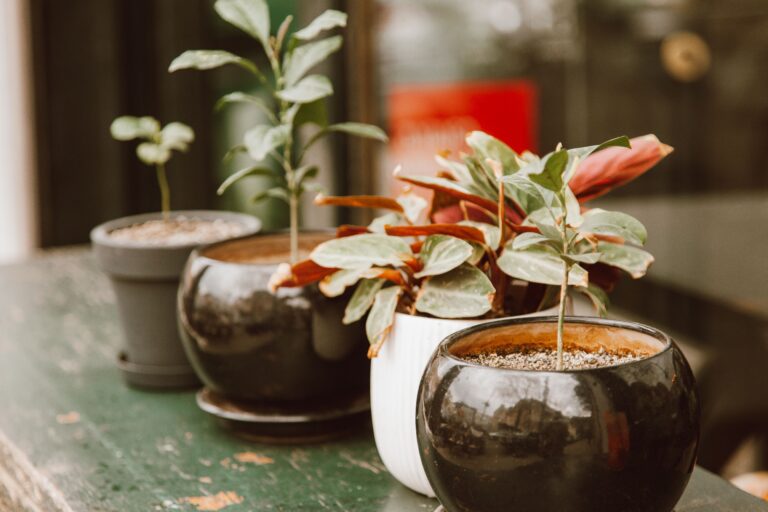
If you’ve started observing both your garden space and your plants, you’re already on the right path to helping them receive enough sunlight.
The tips below are methods I’ve personally used in my terrace garden over the years, and I hope they’ll help you understand your own space better.
The goal isn’t to force every plant into full sun. It’s about matching each plant’s light requirement with the sunlight your balcony or terrace actually receives. You don’t need expensive light meters or gardening gadgets—just careful observation, simple notes, and a little planning.
How Can I Find the Brightest Spot Without Any Equipment?
Start by making a rough sketch of your balcony or terrace. It doesn’t have to be perfect—just mark the directions (North, South, East, and West).
If you’re using a notebook, draw your garden layout on the left page. On the right page, record the date, along with how long each area receives morning, afternoon, and evening sunlight.
On the sketch, mark which spots receive sunlight at different times of the day and note the approximate duration. Repeat this whenever the season changes so you can compare how sunlight shifts throughout the year.
Once you’ve collected enough observations, categorize each spot based on the type of sunlight it receives.
Sunlight Type | Daily Direct Sunlight |
Shade | No direct sunlight |
Bright indirect light | Around 0–1 hour of direct sunlight |
Partial sun / Partial shade | Around 2–4 hours |
Moderate sun | Around 4–6 hours |
Full sun | More than 6 hours |
This simple map becomes one of the most useful tools for container gardening because it helps you match the right plant with the right location instead of relying on guesswork.
Should I Move My Pots During Different Seasons?
Plant rotation and moving a pot to a completely different location are not the same thing.
Rotating a pot regularly helps all sides of the plant receive more even sunlight. That’s a healthy practice for many container plants.
But moving a pot from one part of the balcony or terrace to another changes its entire microclimate.
Container plants are much more sensitive to microclimate changes than plants growing in the ground. Every time you shift them to a completely new location, they need time to adjust to differences in sunlight, temperature, airflow, and humidity.
That’s why understanding your garden’s sunlight first is so valuable. Once you know which areas receive different types of light, you can place your plants correctly from the beginning instead of moving them repeatedly.
In most cases, you only need to relocate pots when the seasons change and the sunlight pattern changes—not every week or every month.
Which Plants Grow Better in Lower-Light Balconies?
Some plants naturally tolerate lower light much better than others.
Examples include:
- Snake Plant
- ZZ Plant
- Pothos
- Syngonium
- Peace Lily
One simple way to understand a plant’s sunlight requirement is by observing its leaves.
Generally, foliage plants grown mainly for their leaves need less sunlight than flowering or fruiting plants because they aren’t constantly spending energy on producing flowers or fruits.
Leaf Characteristic | Typical Sunlight Need | Examples |
🌿 Dark green, thin, soft leaves | Bright indirect light to partial sun | Peace Lily, Aglaonema, Philodendron |
💚 Medium green leaves | Partial sun to morning sun | Oregano, Mint, Coleus |
☀️ Light green leaves | Morning sun to full sun | Hibiscus, Ixora, Jasmine |
🌵 Gray, silver, or bluish leaves | Full sun to harsh sun | Lavender, Dusty Miller, Echeveria |
🌿 Thick, fleshy succulent leaves | Full sun (after proper acclimatization) | Aloe Vera, Jade Plant |
This isn’t a strict rule for every species, but it’s a useful starting point when choosing plants for balcony or terrace gardening.
How Should I Arrange Pots So Every Plant Gets Light?
If you have enough space, try not to overcrowd your plants.
A tightly packed garden may look lush, but it often reduces airflow, blocks sunlight, and allows pests and diseases to spread more easily. Even in a small balcony, leaving a little space between pots helps air move freely, makes plant rotation easier, and allows you to inspect the entire plant properly.
When arranging pots in rows, place shorter plants at the front where they’ll receive direct sunlight first, and keep taller plants behind them. This simple arrangement helps smaller plants receive better light while maintaining good airflow.
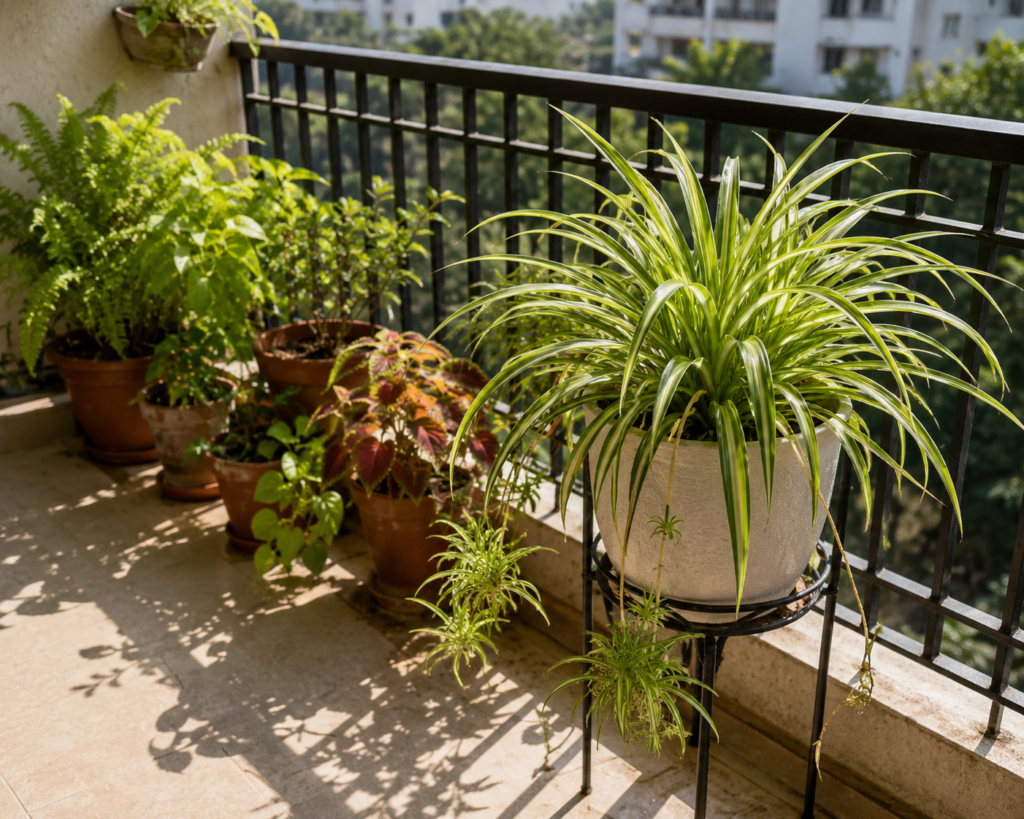
Plant stands can also help you create different levels without overcrowding the space, allowing more plants to receive adequate sunlight.
Can Reflective Surfaces Help Increase Light Naturally?
Yes—but only a little.
White or light-coloured walls and flooring naturally reflect more light than dark surfaces. In some shaded corners, reflective surfaces can slightly increase the available light for nearby plants.
Mirrors can also reflect sunlight into darker areas, but they should be used carefully.
Too much reflected sunlight can increase heat around the plants and create unnecessary stress, especially during hot Indian summers. If you’re using reflective surfaces, aim to improve light—not turn your balcony or terrace into a heat trap.
🪴 Rearranging your pots might feel harmless — but your plants experience it as stress. Read why frequent moving slows growth
How Can I Make Sure My Outdoor Container Plants Get Enough Light All Year?
Getting enough sunlight for your container plants isn’t about finding one perfect spot and leaving your pots there forever. Sunlight changes throughout the year, and your garden changes with it.
The biggest improvement you can make isn’t buying expensive tools—it’s becoming a better observer of your own growing space.
Spend a little time watching how sunlight moves across your balcony or terrace. Notice where the morning sun falls, which corners stay shaded in the afternoon, and how nearby buildings, walls, or trees change the light during different seasons. These small observations are often more valuable than simply following general gardening advice because every balcony and terrace has its own unique sunlight pattern.
As seasons change, don’t assume your plants are receiving the same amount of light they did a few months ago. Summer, monsoon, and winter all affect sunlight duration and intensity differently. A spot that was perfect in March may become too shaded in July or receive much stronger sunlight in May. Revisiting your observations every season helps you stay one step ahead instead of reacting after your plants start showing stress.
If your plants aren’t growing well today, don’t immediately blame the soil, fertilizer, or watering routine. Before changing everything, take a closer look at the sunlight they’re actually receiving. Many common container gardening problems—slow growth, weak stems, fewer leaves, poor flowering, soggy soil that stays wet for days, or even soil that dries too quickly—can often be traced back to unsuitable light conditions.
The good news is that most sunlight problems are fixable. Sometimes the solution is as simple as moving a pot a few feet, rearranging taller plants, rotating containers regularly, or matching the right plant with the right sunlight available in your balcony or terrace. Small adjustments, made after careful observation, usually bring much better results than making big changes based on guesswork.
Once you understand how sunlight behaves in your own garden, caring for container plants becomes much easier. You’ll stop wondering why a plant is struggling and start knowing where it belongs.
If you’d like to understand sunlight even better, you can continue with these related guides:
- How to Check Sunlight in Your Balcony Without Any Tools — Learn a simple observation method to map sunlight in your own space.
- How Much Sunlight Do Container Plants Really Need? — Understand different sunlight categories and match them with plant requirements.
- Best Morning Sun Plants for Indian Balconies — Discover plants that naturally thrive with gentle morning sunlight.
- Signs Your Container Plants Are Getting Too Much Sun — Learn to recognize heat stress before it damages your plants.
The more you understand your garden’s sunlight, the fewer gardening problems you’ll have to solve later.
Pingback: Best Sunlight for Container Plants: Morning or Afternoon?