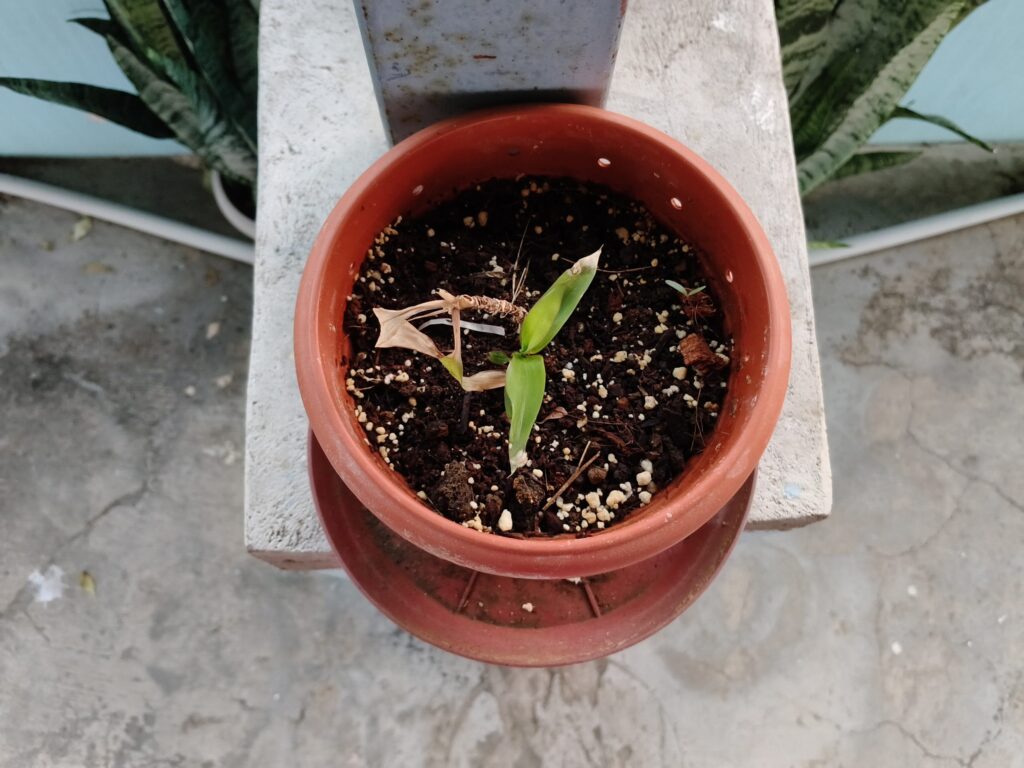
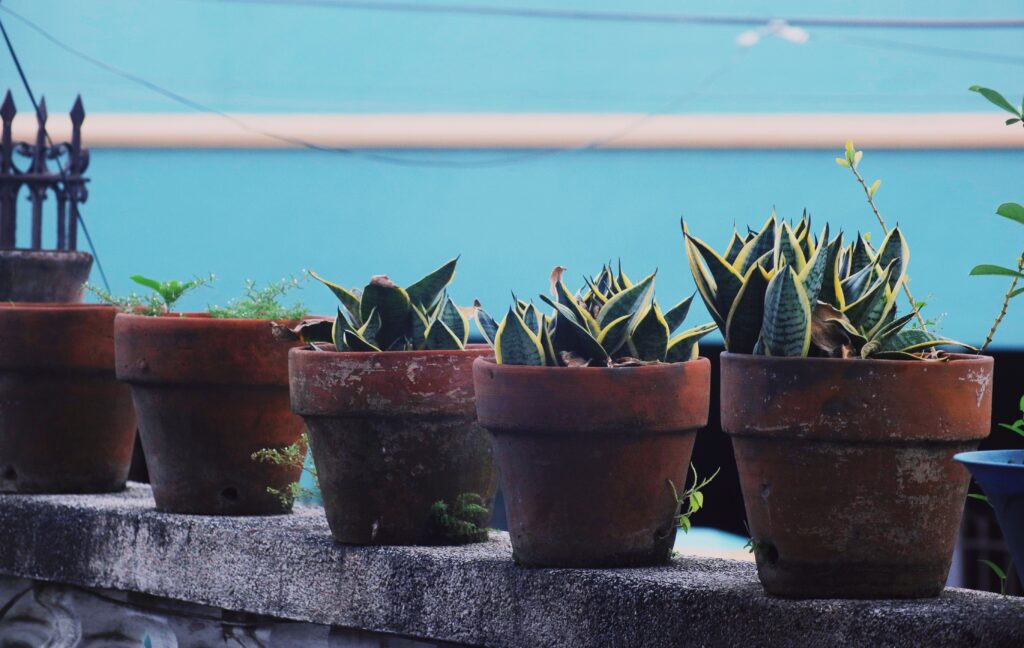
Some of us think a bigger pot means less frequent repotting, less frequent watering, and more room for the plant to grow. But that is not always how container gardening works. A plant can still grow slowly, develop yellowing leaves, struggle with soggy or overly dry potting soil, or show root stress even when it is sitting in a much bigger pot.
We gardeners pay a lot of attention to pot size and pot material, but the shape of the pot matters too. And this is something I understood much later in my own terrace gardening journey.
The shape changes the dimensions of the container, and that changes the space available inside. This is one reason online pot purchases can go wrong so easily. Two pots may be labelled with the same size, but if one is deep and the other is wide, they can provide a very different growing environment for your plant.
When it comes to choosing deep pots vs wide pots, there is a lot of misunderstanding about how pot shape affects soil capacity, root space, and moisture retention. We often look at one measurement and assume we understand the whole pot, without really considering how its depth and width work together.
I have been a terrace container gardener since 2018, but I developed a much better understanding of deep vs wide pots only after using different shapes and losing a few plants because I didn’t understand how much the shape could matter. Those experiences made me look at pots differently—not just by their labelled size, but by the actual growing space they create.
A 4-inch-wide pot and a 4-inch-deep pot may sound similar when we hear the measurements. But they are not the same thing. Even when pots are labelled as the same size, their shape can completely change the picture.
One simple way to understand this is to grow the same plant variety in two different containers—one wider and one deeper. Apart from differences in pot material and overall size, you may notice that the two containers don’t dry at exactly the same speed. The way soil is distributed inside the pot can change how moisture behaves around the roots.
For many balcony and terrace gardeners, space is already limited. Sometimes we simply have to work with the pots we already have rather than buying a new container for every plant. That is not necessarily a problem. Once you understand pot shape and root space, you can make much more informed decisions with the containers available to you, even in hot Indian gardening conditions.
So, in this article, let’s look more closely at deep pots vs wide pots for plants, how their shape changes the growing space inside, how they can behave differently, and why some plants may naturally suit one shape better than another.
If you want to understand the complete terminology and different aspects of choosing pots for container gardening, you can also explore my complete pot cluster here. Reading through the related guides will give you a much clearer picture of how pot size, shape, material, and growing conditions work together.
Now, let’s look at what actually changes when the same amount of attention goes into two pots—but their shapes are completely different.
How Does Pot Shape Change the Growing Space Available to Plant Roots?
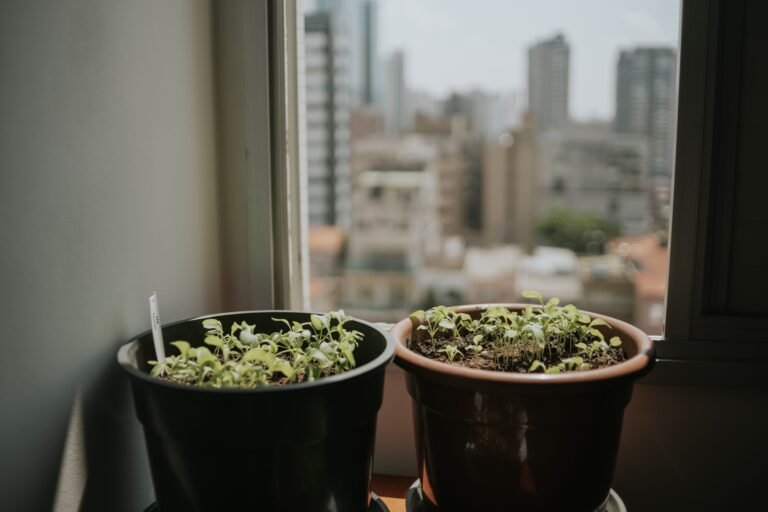
To understand this basic difference, first you need to know that pot size and pot shape are not the same thing. In deep pots, the size chart usually refers to the vertical height—for example, a 4-inch pot is often around 4 inches deep. But with wide pots, the size usually refers more to the breadth, not the depth.
A mature plant can eventually have multiple root types together, including deeper roots and fine feeder roots. But initially, you need to understand the plant’s root type before choosing the pot shape. As a basic understanding, shallow and fibrous root systems generally prefer wider pots, while tap roots and deeper-rooted plants generally prefer deeper pots.
Why Do Some Plants Use Vertical Root Space While Others Spread Horizontally?
It depends largely on the plant family and its growth type, whether it is perennial or annual. The root system also changes with the plant’s growth stage. When a plant is small, it may have mostly fine feeder roots, and as it grows, you start to see more clearly how its root system develops.
Plant size itself has nothing to do with root type or root behaviour. Root behaviour depends more on the species, age, moisture conditions, and available space.
When you are actually growing plants, observing and identifying the root type is more useful than simply categorizing every plant based on theory. A plant can develop fine lateral roots that do well in a wider pot, even if the plant itself doesn’t look particularly small.
A plant with deep or tap roots generally prefers deeper pots, and the development of this root type is influenced by the micro-environment the particular plant experienced from its seedling stage or cutting stage.
Is a Deep Pot Always Better for Plants With Long Roots?
Whether the pot is deep or wide, up-potting a plant into a much bigger container can affect root health. Lateral roots or deep roots still need only a little more space than the existing rootball. As a basic rule, around 2 inches more space than the current rootball is usually enough. Not much bigger, and not smaller.
If you give a plant a deeper pot that is much larger than its rootball, it won’t automatically grow bigger just because there is more soil. Instead, it can create overwatering and overfeeding issues.
When you up-pot into a deep container that has much more soil volume than the roots can currently access, a large amount of soil sits unnecessarily around the rootball. That soil can stay wet for longer, while the roots are still not using the entire volume. This can affect proper aeration around the roots.
So, if you are up-potting a deep-rooted or tap-rooted plant, choose a deep pot that is only around 2 inches larger than the existing rootball. For example, if it was previously growing in a pot with around 2 inches of height, you can move it into a 4-inch-height pot rather than jumping into a much larger container.
When we talk about deep pots, they are mostly the simple round or square-shaped containers that provide more vertical root space than horizontal space.
Why Can a Wide Pot Be More Suitable for Plants With Shallow Root Systems?
A shallow root system usually prefers horizontal space rather than deep vertical space. These roots are often fine and fibrous, spreading sideways rather than developing deeply.
This type of root system can do well in horizontal containers and wider pot shapes, such as bowl-shaped pots or rectangular planters with more breadth and less height.
Mostly, herbs, leafy greens, and many succulents can suit this kind of wider pot because they have relatively shallow root systems. Very few houseplants specifically need rectangular planters. Again, it comes down to understanding the root type rather than choosing a pot shape simply because it looks suitable.
The relationship between root spread, plant canopy, and container footprint is also useful to understand here. Root spread refers to how the roots spread inside the rootball. The canopy can indirectly give you an idea of how the roots may be spreading below—the taller growth can sometimes be associated with greater vertical root development, while a plant with a broad, spreading canopy may also develop a wider root spread.
And then there is the container footprint. The footprint simply means the bottom area or breadth occupied by the pot. When the pot shape changes, its footprint changes too. So, when choosing between deep pots and wide pots for container gardening, you need to look beyond the label and understand how the actual shape changes the root space available inside.
That small difference in shape can change much more than how the pot looks—it can change how the roots occupy the soil and how the entire container behaves.
Ever wondered why some plants thrive while others don’t—same soil, same care? The secret often lies in choosing the right container.
How Do Deep and Wide Pots Behave Differently in Container Gardening?
The same plant can behave completely differently in a deep pot and a wide pot, even when both containers look similar in size. You may notice one pot drying quickly while the other still has moist soil, or one plant showing watering stress while the other looks perfectly fine. This is where pot shape starts to matter in container gardening.
How Does Pot Depth Affect Soil Moisture and Drying?
If you take a similar-size deep pot and wide pot, you will usually notice that the wide pot dries faster than the deep pot. Pot material and the pores in the material also affect soil drying time, but the wider the pot, the more breadth and exposed soil surface it has, which means more exposure to wind and heat compared with a deeper pot.
In deeper containers, more of the soil sits below the surface. Wind and heat affect the pot through the surrounding microclimate and the pot material, but the deeper soil is less directly exposed. In a wide pot, there is more exposed surface area, so heat and airflow can affect the soil more quickly.
Deep pots, especially plastic ones, can take longer to dry. And this is where beginners can easily get fooled: the top soil may look dry while the deeper layers are still holding moisture. If you water just because the surface looks dry, this can slowly lead to overwatering.
If you have the same plant growing in different pot sizes and shapes, even at a similar growth stage with similar watering needs, simply check the soil before watering. Don’t assume that because one pot is dry, the other one must be dry too.
At the same time, don’t let the plant go bone dry just because another pot of the same size is still holding moisture. The same pot size does not mean the same drying behaviour, especially when the shape is different.
Why Can Wide Pots Heat and Dry Differently on Balconies and Terraces?
This is where Indian terrace and balcony gardening conditions become important. Pot shape and depth alone cannot tell you exactly how quickly a container will dry. Sun exposure, wind exposure, pot placement, and the surface underneath the pot all change its microclimate.
For example, if you place a pot directly on a terrace floor, it can receive additional heat from the floor itself. If you keep it on a shelf, the airflow around it can be different. So even two pots sitting in the same terrace garden can experience different conditions depending on where they are placed.
Wide pots generally dry faster because they have more exposed surface area and less soil depth, while deep pots can take longer to dry because more soil sits deeper inside the container. Direct sunlight on a balcony or terrace can make this difference even more noticeable, especially when the surrounding floor and walls are also heating up.
Wide pots can be more sensitive to this combination because the shallower soil volume can lose moisture faster. If the pot is sitting directly on a hot terrace floor, the roots can experience heat and drying stress more quickly.
In deep pots with taproots or deeper roots, more of the roots are positioned downward through the deeper soil. In wider pots, lateral roots spread more horizontally and can grow closer to the sides of the container. Because of this, the position of the roots within the pot also changes how they experience the heat around the container walls and soil.
In Tamil Nadu’s hot summer weather, wide pots can dry faster, so you need to watch them for underwatering stress. During monsoon conditions, their lower depth can also mean less moisture is held compared with a deep container, which may reduce the chance of prolonged wetness in some situations.
Deep pots behave differently. During summer, the deeper soil can retain moisture for longer, but if the pot is sitting directly on a hot terrace floor, there can still be heat stress around the container. During monsoon periods, the slower drying of deeper soil can increase the risk of overwatering.
So, when you compare deep pots vs wide pots for plants, don’t look only at the shape. Look at the season, the weather, the pot material, the placement, and how the roots are actually using the soil.
How Does Container Shape Affect Plant Stability and Above-Ground Growth?
Container footprint simply means the bottom breadth or area occupied by the pot. It tells you how much physical space the container will take up where you place it. When the pot shape changes, its footprint changes too.
And when it comes to choosing the right pot shape, you need to understand the plant’s root type, as I mentioned in the earlier sections. The plant’s canopy can give you some clues about how widely the plant is growing above the soil, while the rootball tells you how the roots are actually occupying the space below. Matching the available root space with the appropriate pot shape can give the plant better root stability and room to grow.
If your plant has deep or tap roots, simply giving it a wider pot does not necessarily mean the roots will anchor better. Even if the pot is bigger overall, the plant may still benefit more from a deeper container that allows those roots to move downward.
On the other hand, if your plant naturally develops a wide, shallow or lateral root system, a rectangular or bowl-shaped pot can provide more useful horizontal space for those roots to spread.
And this is why root stability matters beyond what is happening below the soil. With better root stability, the upper part of the plant can stay stronger too. A stable rootball supports stronger stems and can help the plant carry flowers or fruits.
Without good stability below the soil, the plant above the soil cannot be as stable either.
Once you understand how pot shape, moisture behaviour, root spread, and container footprint work together, deep pots and wide pots stop looking like two different styles of containers and start making much more sense for different plants and growing conditions.
The wrong pot material can affect moisture, heat, and root health. Learn which one suits your plants: Which Pot Material Is Good for Plants?
Which Plants Tend to Suit Deep Pots and Which Tend to Suit Wide Pots?
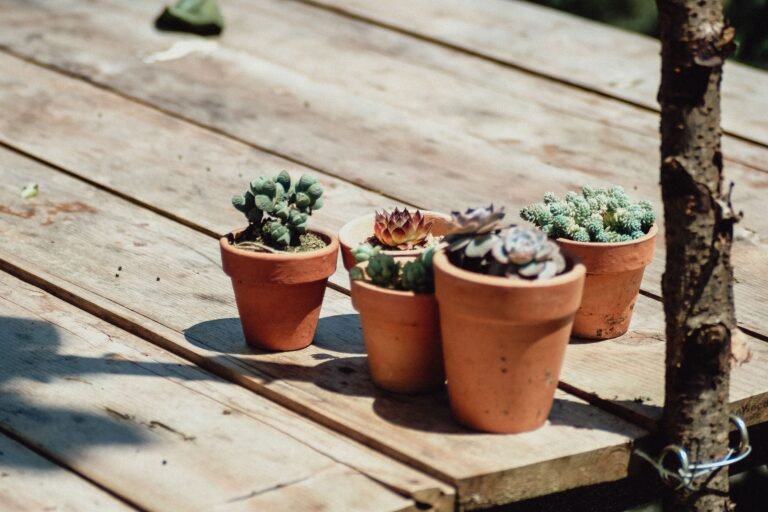
The pot shape depends mainly on the root type, and then on the plant type in some cases, because some plants can grow extremely large. I don’t want to classify every plant one by one, because the same plant can behave differently at different growth stages. Instead, I’ll show you some common root types and plant types so you can understand why certain plants tend to suit deep pots while others do better in wide pots.
What Types of Plants Generally Benefit From Deeper Containers?
When it comes to deep pots, vegetables, climbers, creepers, fruiting plants, and large houseplants can benefit from deeper root space. Plants that grow from bulbs also usually need more depth, along with plants that develop tap roots or deeper roots.
Once a plant is beyond the early seedling stage, you can sometimes see the roots developing a thicker texture, with fine fibrous roots covering them. This gives you a better idea of how the root system is developing rather than simply guessing from the plant’s size.
As the plant becomes bigger—whether it is grown for foliage, flowers, or fruits—it generally needs a larger root system to support that growth. Fruits, vegetables, and many flowering plants can develop thicker and more substantial roots as they mature.
But the plant’s growth stage also matters when choosing pot shape. A larger mature plant may need more root space, but that doesn’t automatically mean it needs a very wide pot. If its roots naturally grow deeper, a deeper container can give those roots more useful space to move downward and access moisture and nutrients.
What Types of Plants Often Prefer Wider, Shallower Containers?
From my gardening experience, pot shape can be affected by several things, starting with the plant’s initial growth stage. When a plant is still at the seedling or cutting stage, the roots are usually very shallow and fine.
At this stage, even a plant that will eventually develop deeper roots may do better in a shallower container. If you put a tiny cutting or seedling into a deep pot filled with a lot of soil, the soil can stay moist for much longer than the small root system needs.
Then comes the plant’s actual root type. If the roots remain shallow and lateral, they naturally prefer to spread sideways rather than go deeply downward.
I use very shallow, wider pots for many of my succulents. As leafy greens and herbs become bigger, I prefer rectangular pots because they give those fine, hair-like roots more horizontal space to spread.
These are the kinds of plant types where a wide, shallow container can make more sense than simply giving them more depth.
Can the Same Plant Grow in Both a Deep and Wide Pot?
The plant family alone does not always decide the final root type. Sometimes the environment in which a seedling or sapling develops can influence how its root system grows. The growth stage is also very important.
You can’t compare the root system of a sapling with that of a mature plant, even when they are the same plant. During the early stages, the roots are mostly fine and shallow while the root system is still developing. As the plant matures, it can develop thicker and deeper or more widely spreading roots.
When choosing a pot, the pot size should be based on the plant’s current rootball, while the shape should suit the current root type and growth stage.
The growing medium you give the plant provides moisture, nutrients, and physical space for root development. At the same time, the surrounding microclimate affects how that growing medium behaves. All of these factors influence how the roots develop and what type of container shape becomes more suitable.
You don’t need expensive pots just because you understand your plant’s root type. Knowing how the roots are actually growing and choosing the pot shape around that can help you avoid unnecessary root stress, even when you are working with the pots you already have.
There is no single perfect pot size, shape, or material for every plant. The right choice is influenced by several things—microclimate, plant growth stage, current root type, rootball size, and growing conditions.
Once you start looking at the roots instead of only looking at the plant above the soil, choosing between a deep pot and a wide pot becomes much easier.
🌿 From pots to plants to placement — everything beginners need, in one place. Click to follow the container gardening roadmap
CONCLUSION
Deep and wide pots are not about which shape is better, but which shape suits your plant’s root type, current rootball, growth stage, climate, and available space.
I learned this through terrace gardening since 2018—using different pot shapes, making mistakes, and losing a few plants. Sometimes the problem wasn’t the plant or pot size, but simply the shape not matching how the roots were growing.
So, look beyond the pot label. Understand the root depth, root spread, moisture behaviour, and growing conditions before choosing the shape. Once you start observing these things, choosing between deep and wide pots becomes much easier.
🌱 Healthy growth starts with the container itself — not the care routine. Click to uncover the overlooked truths
FAQ
Is a deep pot better than a wide pot for plants?
Not necessarily. The better shape depends on the plant’s root system, mature growth habit, moisture requirements, climate, and available growing space.
What plants grow best in deep pots?
Plants that develop deeper root systems or need substantial vertical root space generally benefit more from deeper containers, although individual plant requirements vary.
What plants prefer wide and shallow pots?
Plants with shallow or spreading root systems often suit wider, shallower containers, including some succulents, herbs, and spreading plants.
Does pot depth affect plant growth?
Yes. Pot depth influences the amount and distribution of root space as well as how moisture and air move through the growing medium.
Can a plant grow in a pot that is wider instead of deeper?
Sometimes. If the plant’s roots naturally spread horizontally, a wider container may provide suitable growing space. The important factor is whether the container matches the plant’s root and growth characteristics.
Does a deep pot hold more water than a wide pot?
Not always. Total soil volume matters, but the shape and depth of that soil volume can influence moisture distribution and drying behaviour.
Are wide pots better for hot climates?
They can be suitable for some plants, but climate alone does not determine the best pot shape. Heat, sunlight, wind, soil mix, pot material, and the plant’s root system all interact.
How do I choose between a deep pot and a wide pot?
Start by considering how the plant’s roots naturally grow, how large the mature plant becomes, how much space you have, and how your local climate affects moisture and heat around the container.
Does pot shape matter for balcony and terrace gardening?
Yes. On balconies and terraces, container shape affects root space, floor footprint, stability, moisture behaviour, and how efficiently limited growing space can be used.
Is a bigger pot always better for a plant?
No. A larger container can provide useful root space, but excessive unused growing medium may behave differently from a container appropriately matched to the plant’s root system.