Beginners often miss one important thing in potted plant care: checking soil health signs.
Usually, soil becomes the last thing people suspect.
The plant looks weak, leaves turn yellow, growth becomes slow, the soil feels either too soggy or too dry, roots become weak, or balcony plants suddenly start struggling in terrace heat. Still, most beginners first think:
- maybe sunlight is wrong
- maybe watering is wrong
- maybe fertilizer is missing
- maybe pests are attacking
And honestly, that’s normal.
As a beginner in container gardening, you mostly pay attention to leaf signs, sunlight spots, and watering. When a plant struggles, the first thing you check is usually the leaves, the watering schedule, or whether the balcony or terrace gets enough sunlight. But over time, mistakes slowly teach you how to actually read plant signs and understand what the plant is trying to say.
That’s what I slowly learned in my Indian terrace container garden, and I noticed the same thing with many fellow gardeners too. The more you observe and absorb the plant, the more you start understanding plants, roots, soil behavior, and gardening itself.
That’s the whole point of gardening, right?
First, avoid mistakes and keep the plant alive. Then slowly learn how to help it thrive. For every gardener, the idea of growing plants changes over time, but the core purpose stays the same — keep the plant healthy first, then focus on growth, flowering, or aesthetics later.
Most beginner gardeners only start looking at the potting soil after every other box gets ticked:
- no visible pests
- proper drainage holes
- regular watering
- enough sunlight
- organic fertilizers added
Only then does the question come:
“What if the soil itself is the problem?”
But I slowly realized the order should actually be reversed.
If you learn how to check soil health first and understand simple soil signs early, you can prevent many container gardening problems before they become serious.
Before root rot starts. Before yellow leaves spread. Before the plant reaches that silent decline stage where recovery becomes difficult.
Because the real life of the plant is inside the roots. And those roots live inside the soil.
That’s why potting soil is not just “something you fill the pot with.” In balcony and terrace container gardening, soil is the actual lifeline of the plant.
Once I started understanding soil mix texture, drainage behavior, airflow, moisture balance, and how to read unhealthy soil signs, I reduced a lot of plant problems in my terrace garden. My plant survival rate improved slowly because I stopped reacting only to leaf damage and started paying attention to what was happening below the surface.
Another thing beginners often overlook is this:
container soil is not permanent.
Many people treat potting soil like a “fill it once and forget it” setup. But in containers, especially in Indian balcony and terrace gardening conditions, soil slowly loses texture, airflow, nutrients, and drainage quality over time. Reused potting mix becomes compacted. Organic matter breaks down. Water either stays too long or escapes too quickly.
And if you miss those soil warning signs, the plant eventually starts showing stress signs instead:
- yellowing leaves
- mushy stems
- stunted growth
- dry-looking plants despite watering
- random root rot issues
- weak recovery after watering or fertilizing
The good thing is, checking soil health does not require expensive pH meters or complicated gardening tools.
You can actually read soil health through simple signs, texture, smell, drainage behavior, drying speed, and root response. These small observations can help prevent many potted plant problems early before the plant starts seriously declining.
Read this blog till the end — it won’t take more than 10–15 minutes — but it can help you understand your potting soil better, prevent common container gardening mistakes, and possibly save struggling balcony and terrace plants before the damage becomes harder to reverse.
What Are the Simple Signs That Potting Soil Is Becoming Unhealthy in Containers?
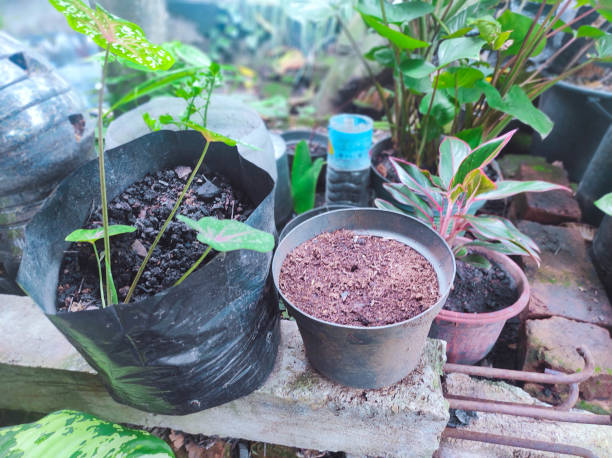
When making a potting mix for container gardening, we usually add organic amendments like garden soil, cocopeat, compost, bark, perlite, or pumice. But one thing I slowly understood from balcony and terrace gardening is this:
No potting soil stays the same forever.
Especially in Indian container gardening conditions where pots face repeated watering, terrace heat, monsoon humidity, and strong sunlight, the soil slowly changes over time even if the plant still looks “okay” from outside.
Garden soil slowly loses nutrients through watering leaching, but more importantly, it loses texture and starts compacting. Garden soil alone usually becomes heavy faster in pots, but even balanced soil mixes slowly change structure after months of watering.
The same thing happens with cocopeat and compost too. They slowly break down, settle down, and lose the airy texture they originally had. Even drainage amendments like perlite or pumice slowly wear down or lose effectiveness over time.
This is actually normal.
Even in agriculture and ground bed gardening, soil structure changes over time. That’s why agricultural lands get ploughed and ground beds get loosened, raked, and replenished regularly.
No growing medium is permanently perfect.
But the real issue in beginner container gardening is not the soil changing — it’s missing the signs while the soil is changing.
Most beginners only notice the problem after:
- drainage issues start
- roots begin rotting
- pests suddenly break out
- soil stays soggy too long
- plants stop growing
- leaves turn yellow even after proper watering
But before all these major potted plant problems happen, the soil usually gives small warning signs first.
And these are the signs many beginners unknowingly ignore.
Why does my potting soil stay wet for too long after watering?
This is one of the biggest signs that the soil is slowly losing structure.
Over time, watering pressure, organic matter breakdown, and soil settling slowly compact the potting mix. It may not compact immediately like pure garden soil, but if your soil mix contains red soil or garden soil, compaction usually becomes more noticeable once the compost and cocopeat start breaking down.
Even perlite or pumice will not hold the exact same structure forever.
This does not happen in one week. Sometimes it takes months. Sometimes years in slow-growing plants that stay in the same pot for a long time without repotting.
That’s why the soil structure you planted with will never remain exactly the same later.
As the texture changes, the pot starts holding more moisture and drying slower than before. The roots slowly lose airflow, and terrace plants begin showing stress signs even if watering is done correctly.
One simple thing I started observing in my terrace container garden was:
“How long does this pot actually take to dry after watering?”
That alone taught me a lot about soil health.
If the soil constantly stays wet beyond 24–48 hours depending on plant type, pot size, climate, and airflow, there’s usually a drainage or compaction issue developing inside the potting mix.
Why does water run straight out without soaking the soil properly?
This usually happens for a few different reasons.
Sometimes the soil mix has too many drainage amendments and not enough base materials like garden soil or cocopeat to actually hold moisture properly.
Other times, the roots themselves are stressed.
Weak roots, damaged roots, root rot, or poorly developed roots cannot absorb water properly. So the water simply escapes through the pot instead of getting absorbed into the root zone.
This is very common after transplanting seedlings from trays into pots too. The roots are still developing and haven’t occupied the soil properly yet.
But in many balcony and terrace gardening cases, the real issue is imbalance in the soil mix ratio.
Too much drainage.
Too much compaction.
Or sometimes the exact opposite.
Another thing I noticed is this:
if a plant stays in the same container too long, it can become root bound. At that stage, roots occupy most of the pot and there’s very little healthy soil left to absorb and distribute moisture properly.
So even watering starts behaving differently.
Why is there a bad smell, fungus, or white layer on top of the soil?
This is a classic sign of unhealthy potting soil and poor drainage.
If the soil smells fishy, sour, or constantly damp, it usually means excess moisture is trapped inside the potting mix for too long.
The main reasons are usually:
- poor soil drainage
- compacted soil structure
- lack of airflow
- insufficient drainage holes
- overwatering combined with slow drying soil
Once moisture stays trapped continuously, fungal growth starts appearing more easily on the soil surface.
The white layer beginners notice on top of the soil is often mineral buildup from hard water or fertilizer salts. Sometimes it can also be fungal growth starting because the top layer remains moist too long.
But when a bad smell combines with soggy soil, it’s usually a strong warning sign that the root zone is stressed.
And if this goes unnoticed for too long, root rot problems slowly start underneath before the leaves even react properly.
Why are my plants growing slowly even after feeding fertilizer?
This was one of the biggest gardening realizations for me.
Fertilizers work properly only when the roots are healthy.
If the roots are already stressed because of compacted soil, poor airflow, soggy conditions, or damaged soil structure, feeding more fertilizer will not suddenly fix the plant.
Even organic fertilizers become an extra load for stressed roots.
The plant is already struggling to absorb water properly. So instead of supporting growth, excess feeding sometimes creates more stress inside unhealthy potting soil.
Fertilizers support plant growth.
They do not repair root damage, poor drainage, or collapsing soil structure.
I also noticed this often in potted plants growing in heavy red soil mixes.
If the soil becomes compacted and airflow disappears, continuously adding fertilizers only creates more salt buildup and imbalance over time. The plant keeps declining slowly while beginners think:
“Maybe it needs more feeding.”
But the actual issue is happening below the soil surface.
Why do leaves keep yellowing even though I don’t underwater?
Yellow leaves can happen for many reasons in container gardening.
But one thing beginners often miss is that proper watering does not automatically mean healthy roots.
You can water correctly and still have unhealthy soil conditions underneath.
If the potting mix has drainage problems, poor airflow, compacted texture, or trapped moisture, the roots slowly become stressed. And stressed roots eventually show up as yellowing leaves, weak growth, soft stems, or sudden decline.
That’s why yellow leaves are not always just underwatering or overwatering problems.
Sometimes the plant is actually reacting to unhealthy soil conditions developing slowly inside the container.
And the earlier you learn to observe these small soil signs, the easier it becomes to prevent major potted plant problems before the plant reaches serious decline or root rot stages.
✨ If your plants struggle no matter what you do, your soil might be the reason. Explore the full soil truth guide
Why Does Potting Soil Lose Health Faster in Balcony and Terrace Gardening?
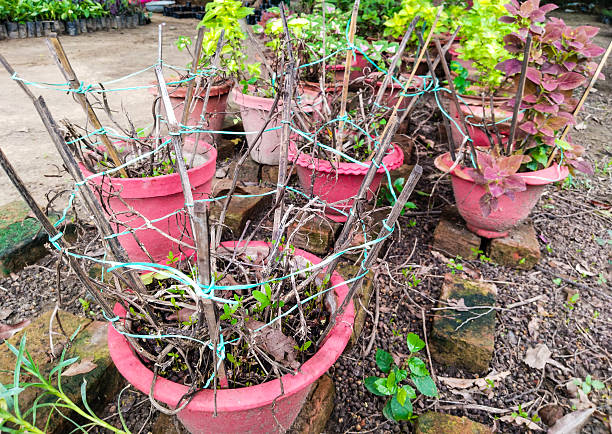
In container gardening, the soil is sitting inside a restricted space — the pot. Unlike ground soil, it cannot naturally expand, recover, or balance itself easily. Over time, repeated watering slowly leaches nutrients out from the potting mix, and this is one of the biggest reasons container soil loses health faster than many beginners expect.
But nutrients are not the only thing disappearing.
The soil slowly loses texture, airflow, moisture balance, and structure too. And once that happens, potted plants start showing stress signs like slow growth, yellow leaves, soggy soil, weak roots, root rot issues, or dry soil that never feels properly moist.
This is something I slowly understood only after repeatedly dealing with struggling balcony and terrace plants even when watering and fertilizers looked “correct.”
How does strong terrace heat damage container soil over time?
In Indian terrace and balcony gardening, honestly, the floor heat damages the potting mix more than direct sunlight sometimes.
Concrete terrace floors store intense heat throughout the day. Even if sunlight exposure is manageable, the reflected heat around pots keeps warming and drying the soil continuously. This makes container soil dry faster, especially in small pots.
And when the soil dries faster, naturally we water more often.
More watering cycles mean:
- faster nutrient leaching
- faster breakdown of compost and cocopeat
- quicker loss of soil texture
- faster compaction inside the pot
Over time, the potting mix slowly stops behaving the way it did when freshly prepared.
The soil either starts staying wet too long or dries unevenly where the top looks dry but the lower root zone stays soggy. Sometimes water doesn’t even spread properly inside the soil anymore.
This imbalance slowly stresses the roots and weakens the plant even before visible plant damage starts appearing.
That’s why terrace gardening soil problems develop much faster than beginners expect.
Why do Indian balcony containers become compacted so quickly?
Most Indian gardeners naturally use garden soil or red soil in their potting mix because it is easily available, affordable, and sometimes free from nearby ground gardens.
Honestly, I also use garden soil in my potting mix.
The issue is not using it.
The issue is understanding how it behaves inside containers over time.
Garden soil is naturally heavier. Even when mixed properly with compost, cocopeat, bark, or drainage materials, it still tends to compact faster in pots compared to lighter growing mediums.
And Indian balcony and terrace gardening conditions make this even more intense.
We deal with:
- extreme summer heat
- heavy monsoon exposure
- repeated watering cycles
- limited airflow between pots
- space constraints in small balconies
All these things slowly weaken the soil structure faster.
Organic matter breaks down quickly.
The soil settles down.
Air pockets disappear.
Roots lose oxygen flow.
And once airflow reduces inside the potting mix, problems like soggy soil, fungal growth, weak roots, slow growth, and yellowing leaves start appearing more easily.
Many beginners think:
“My watering is correct, so why is the plant still struggling?”
But often the real issue is the soil structure itself collapsing slowly underneath.
Why does reusing old potting mix sometimes weaken plants?
Honestly, reusing old potting mix is not wrong.
In container gardening, especially for balcony and terrace gardeners, it’s unrealistic to throw away all the soil every time a plant dies or gets repotted. Most gardeners naturally reuse old soil mixes.
I do it too.
Of course, severely pest-infested or disease-affected soil should not be reused because it can spread problems throughout the garden.
But otherwise, old potting mix can still be reused smartly.
The thing beginners often miss is this:
old soil usually loses nutrients, airflow, and structure over time.
So reusing it alone without refreshing it creates weak soil conditions for new plants.
What worked better for me was:
- drying and sterilizing old soil in sunlight for 2–3 days
- removing roots and debris properly
- storing it in dry buckets or containers
- reusing it only as a partial component instead of the full soil mix
Usually I mix old soil with fresh potting mix materials instead of depending on it completely.
Fresh compost helps replenish nutrients.
Perlite or pumice helps improve drainage and airflow again.
Fresh organic matter helps restore texture.
The key is not just reusing soil blindly — but refreshing it before reuse.
That small shift made a huge difference in reducing root rot and slow growth problems in my terrace garden plants.
Why do beginners accidentally create unhealthy soil conditions?
One thing I slowly realized is this:
most beginners are not trying to damage plants.
They’re actually trying too hard to save them.
Many beginner plant care mistakes happen from fear-based watering.
Some plants need bone-dry soil before watering.
Some need watering before fully drying.
Some plants hate staying wet.
Some stress quickly in dry soil.
Until you understand a plant’s watering behavior properly, overwatering becomes very easy — especially in Indian balcony gardening where heat makes the topsoil look dry quickly.
One simple thing that helped me avoid this confusion was using a toothpick or stick to check inside the soil instead of trusting only the surface dryness.
Another thing beginners focus heavily on is pot aesthetics.
Beautiful pots look nice, but plants need functional pots first:
- correct pot size
- proper drainage
- enough airflow
- suitable material
- space for roots to breathe
Some decorative pots literally trap heat and “cook” the soil inside during Indian summer conditions.
And another thing many beginners overlook is airflow.
People learn about watering and drainage first, but airflow is equally important for healthy container soil.
Airflow helps:
- soil dry evenly
- roots receive oxygen
- moisture escape properly
- fungal issues reduce
- potting mix stay healthier longer
Once I started understanding how airflow, watering, soil texture, and drainage all connect together, many random plant problems in my container garden slowly started making sense.
And honestly, that’s when gardening became less about reacting to damage and more about preventing problems early by understanding the soil itself.
Your plant may be sitting in still, trapped air without you realising it. Read why stagnant airflow causes fungus
How Can Beginners Improve Soil Health Naturally Without Complicated Tools?
Initially, unhealthy soil cannot be fully fixed without eventually changing or refreshing the potting mix. But before that stage, beginners can still identify unhealthy soil signs early and slow down many container gardening problems naturally.
This section is not about magically fixing dead soil without repotting.
It’s about understanding how to observe unhealthy potting soil, improve soil conditions slowly, and prevent balcony and terrace plants from reaching severe stress stages too quickly.
One thing I slowly realized in container gardening is this:
Healthy soil is rarely about using garden soil alone or blindly trusting ready-made potting soil bags.
Good soil health comes from building a customized potting mix based on:
- plant type
- watering needs
- local climate
- terrace heat
- balcony airflow
- seasonal rain exposure
- pot size and material
And over time, that soil mix needs small adjustments too because Indian balcony and terrace gardening conditions constantly change the soil behavior.
Free Beginner Soil Mix PDF 🌱
Struggling with soggy soil, yellow leaves, root rot, or weak plant growth? Download my free beginner-friendly soil mix guide for healthier balcony and terrace container plants.
- ✔ Simple soil mix ratios
- ✔ Drainage & airflow tips
- ✔ Beginner container gardening fixes
- ✔ Indian balcony gardening friendly
How do you check soil health using touch, smell, and watering behavior?
Checking soil health honestly does not require expensive tools.
It’s more of an observation skill you slowly develop through experience.
The first thing I started checking was soil texture and weight.
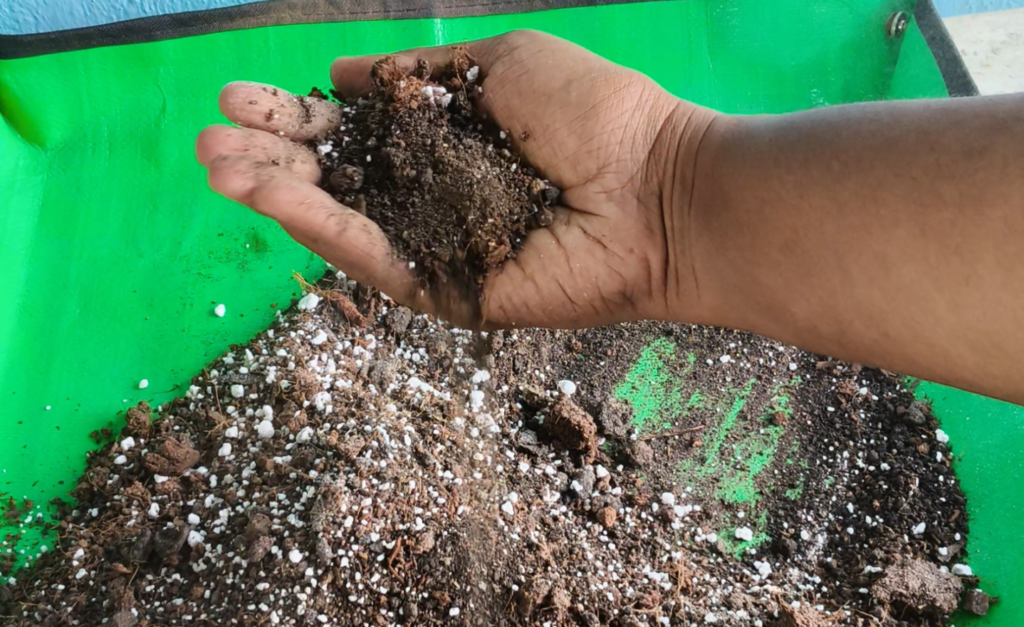
Even before filling the pot, grab a handful of the potting mix and lightly press it in your hand. If the soil immediately turns into a tight heavy clump and stays stuck together, it usually lacks airflow and drainage.
A healthy airy soil mix should feel loose, soft, and slightly crumbly instead of dense and sticky.
Pot weight also says a lot about container soil health.
If a pot constantly feels too heavy even after days, especially in small balcony containers, the soil may be holding excess moisture and compacting internally.
Another thing beginners often ignore is smell.
Healthy soil usually smells earthy, fresh, almost like rain hitting ground soil.
But unhealthy potting soil develops fishy, sour, or stale smells.
That smell itself tells a lot about what is happening inside the root zone.
One simple thing that helped me understand watering behavior better was testing soil in transparent cups before using it for sensitive plants.
I fill the cup with the soil mix and water it slowly.
Then I observe:
- how evenly the water spreads
- whether the water rushes straight down
- whether some parts stay dry
- how long the soil takes to dry
- how the soil texture changes after watering
This small test reveals a lot about drainage, moisture retention, and airflow before the soil even reaches the plant roots.
What simple soil fixes work best for balcony and terrace containers?
This section is mainly for potting mixes that slowly compact over time, not for severely damaged soil or pure heavy garden soil problems.
One simple thing that helped me was gently loosening the topsoil occasionally using a hand fork or stick.
Not aggressively.
Not deep enough to damage roots.
Just lightly opening the compacted upper layer to improve airflow and watering absorption.
Another thing that worked better than heavy feeding was small monthly top dressing.
Adding a thin layer of compost mixed with cocopeat once a month helped slowly improve soil texture and microbial activity without overloading stressed roots.
I noticed smaller consistent improvements work better in containers than sudden heavy fertilizer feeding.
Using airy soil ingredients also makes a huge difference in long-term container soil health.
Materials like:
- perlite
- pumice
- cocopeat
- coconut husk chips
- bark pieces
help maintain better airflow, drainage, and soil structure over time in balcony and terrace pots.
Especially in Indian summer and monsoon conditions where soil breaks down faster.
How can you prevent unhealthy potting soil in small containers?
Honestly, you cannot fully fix severely bad soil without eventually replacing it.
But if the plant is already stressed and immediate repotting feels risky, small changes can still reduce further damage.
The biggest thing is mindful watering.
Instead of watering from habit or fear, start checking the soil properly before watering. Even a simple toothpick test inside the pot helps avoid both overwatering and underwatering problems in unhealthy soil.
Airflow is another thing many beginners underestimate.
Keeping pots in places with better airflow helps the soil dry more evenly and reduces fungal issues caused by trapped moisture.
I also became more careful about exposing already stressed pots to continuous heavy rain.
In terrace gardening, excess rainwater can completely saturate compacted soil, fill the air pockets, and increase root rot risk very quickly.
Another practical thing that helped was improving drainage and airflow in the pots themselves.
For plastic pots especially, adding extra drainage holes and side holes improved airflow around the root zone and reduced soggy soil conditions.
Small container gardening adjustments like this slowly improve soil behavior even before full repotting becomes possible.
When should beginners completely replace old container soil?
Some soil warning signs should not be ignored for too long.
If water starts pooling on the topsoil instead of absorbing properly, that’s usually a strong sign the soil structure is collapsing.
If the soil stays soggy for days along with foul smell, the roots are already at high risk of rot.
Sometimes the plant still looks “okay” from outside during this stage, which confuses beginners even more.
But moisture staying trapped for more than 2–3 days continuously in unsuitable plants often means:
- lack of airflow
- collapsed soil texture
- compaction inside the root zone
- high fungal infection risk
Repeated outbreaks of fungus gnats, root rot, fungal diseases, or constantly weak recovery after watering are also major signs that the potting mix is no longer supporting healthy roots properly.
At some point, no amount of careful watering or fertilizer adjustment will fully fix declining soil structure.
And honestly, that’s when replacing or rebuilding the potting mix becomes necessary.
Not because you failed as a gardener —
but because container soil naturally breaks down over time, especially in Indian balcony and terrace gardening conditions.
The earlier you learn to recognize these soil signs, the easier it becomes to prevent serious plant decline before recovery becomes difficult.
Your plant may not be inactive — the soil texture could be blocking healthy root growth. Read: Why Plants Stop Growing in Pots: Soil Texture Matters
Can Simple Soil Observation Help Beginners Grow Healthier Container Plants With More Confidence?
One thing I slowly learned in container gardening is this: healthy plants usually start with healthy soil, not expensive gardening tools.
As beginners, we often focus on fertilizers, watering schedules, sunlight, or buying new products. But many balcony and terrace plant problems actually become easier to understand once you start observing the soil itself — how long it stays wet, how it smells, how compact it feels, and how the plant responds after watering.
This simple observation builds confidence slowly. Instead of reacting to every yellow leaf or slow growth issue, you start understanding what is happening inside the pot before the plant reaches serious decline.
And honestly, soil problems are very common in Indian container gardening. Terrace heat, monsoon humidity, repeated watering, and small pots naturally break down soil structure over time.
The good thing is, most problems improve gradually with small changes like better drainage, balanced watering, improved airflow, and refreshing old potting mix.
Healthy soil creates healthier roots, easier watering, and stronger plants over time.
Pingback: Building a Potting Soil System That Actually Lasts