Why Container Gardening Confuses Beginners (And Why It Doesn’t Have To)
What most beginners think container gardening is—growing plants in any available pot—is not entirely wrong. But container gardening is not just about putting plants into random containers and hoping they survive. It’s a system where the pot, soil, roots, water, sunlight, and routine all interact much faster than they do in the ground.
Container gardening can be a relaxing hobby, practical home décor, and—when done with intention—even a way to grow basic household edibles in limited space. But successful container gardening doesn’t happen by accident. It requires understanding how plants behave inside pots, where mistakes show up quickly, and recovery takes longer if fundamentals are ignored.
You don’t need professional-level experience to start container gardening. You don’t need expensive tools, rare plants, or aesthetic setups. What you actually need is a strong grasp of the core fundamentals that help you understand your plants, read your garden’s signals, and—most importantly—keep plants alive in containers. Without this understanding, even simple plants become difficult to manage.
One major reason beginners feel frustrated is copying Instagram-style gardens too early. The problem isn’t inspiration—it’s imitation without context. Many visually appealing container gardens you see online are maintained by people who already understand their space, climate, and plant behavior. When beginners follow these setups without learning the basics, plants fail quickly, money gets wasted, and gardening starts to feel discouraging instead of rewarding.
This guide is designed to remove that confusion. I’ll walk you through the foundations of container gardening that build real, transferable skills—not shortcuts. These basics will help you grow plants steadily, adapt to your local climate and seasonal changes, and avoid the most common beginner mistakes before they happen.
A realistic promise: no perfection, no fancy setups—just working systems that grow with your experience.
What Is Container Gardening (In Simple Terms)
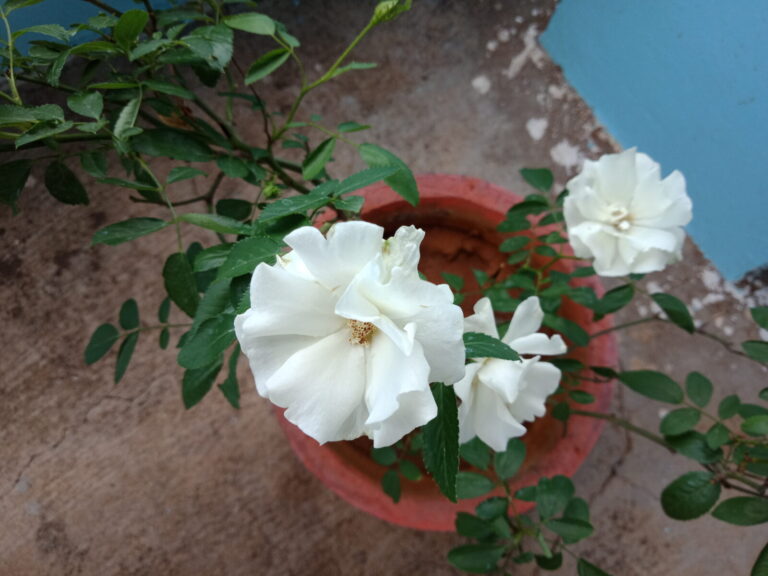
At its core, container gardening simply means growing plants in pots instead of planting them directly in the ground. The pot and potting mix together act as an alternative growing environment, replacing natural soil. That’s it. There’s no hidden complexity—but there is responsibility, because everything the plant needs now comes from what you provide inside that container.
In container gardening, pot size may change as the plant grows, pot materials can be chosen based on budget and environment, and the soil mix can be adjusted to suit different plant needs. This gives you more control than ground gardening, where soil quality, drainage, and structure are often fixed and difficult to change.
The biggest difference between container gardening and ground gardening is flexibility. Containers allow you to move plants based on sunlight, airflow, seasonal changes, and weather conditions. This makes container gardening especially suitable for balconies, terraces, patios, and small indoor spaces where planting in the ground isn’t possible.
However, this flexibility comes with faster consequences. Pots respond quickly to care—or lack of care. Watering mistakes, poor soil choices, or unsuitable placement show results faster in containers than in open soil. In ground gardening, poor soil or climate issues may take months to show visible damage. In containers, the same issues can appear within days or weeks.
On the positive side, container gardening usually involves fewer weed problems, better control over pests, and easier protection during harsh weather. Plants can be moved under shelter during extreme heat, heavy rain, or cold conditions—something ground plants cannot do easily.
Container gardening works best for small-space gardeners, apartment dwellers, people who enjoy combining plants with home décor, and anyone gardening with space or mobility constraints. But it only works well when beginners understand that containers are not shortcuts—they are controlled systems that need basic planning and observation.
Why Container Gardening Works (Even With Limited Space)
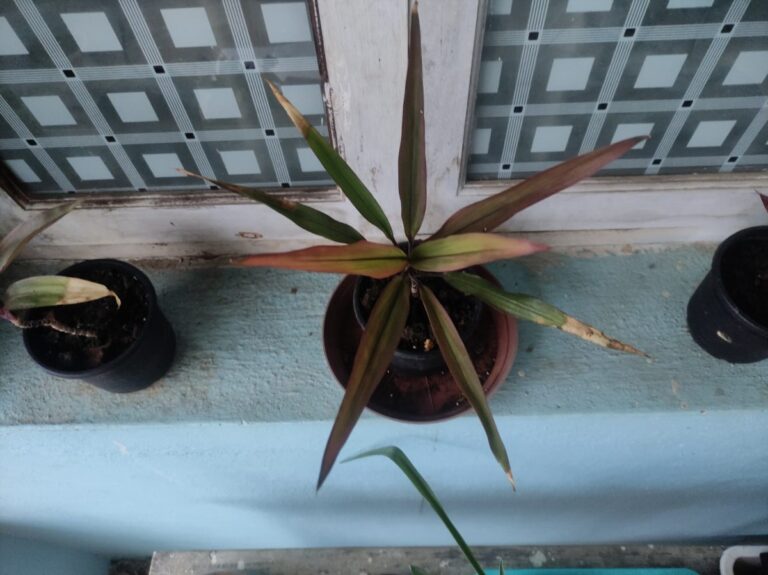
One of the biggest advantages of container gardening is mobility, along with the wide variety of plants you can grow. Even if you live in a small apartment or compact house, it’s possible to create a mini container garden that fits your space. You can grow edibles like vegetables, leafy greens, and dwarf fruit plants on a balcony, use indoor areas for low-light houseplants, and even turn windowsills into herb-growing spaces with simple window boxes.
Space itself is rarely the real issue in container gardening. What usually limits plant choice is light availability. In low-light homes or during certain seasons, you may need to reduce plant count, choose shade-tolerant plants, or use grow lights to support healthy growth. When space and light are understood together, container gardening in small spaces becomes practical and sustainable.
🪴 Not all sunlight counts the same for container plants. Morning, noon, and afternoon light behave differently.
See how to check your balcony light properly
Where container gardening often fails is when plants—living organisms—are treated purely as decor pieces. Aesthetic placement alone doesn’t work. Plants still need healthy soil, aerated pots, proper drainage, consistent watering, sunlight, and basic nutrition to survive. And this isn’t about making plants thrive immediately—it’s about keeping them alive and stable first.
You can absolutely use vertical space and every available corner by grouping plants with similar light needs. But container gardening doesn’t work when aesthetics are prioritized over function. In small-space gardening, functionality always comes before appearance, and once that balance is right, the visuals naturally follow.
Container Gardening Is a System, Not Individual Tasks
Many beginners assume container gardening is a series of simple actions—buy a plant, put it in a pot, water regularly, add fertilizer when it looks dull. That logic feels reasonable, especially when advice online is broken into isolated tips. But container gardening doesn’t work in isolation. Every action affects something else, often in ways beginners don’t notice until it’s too late.
Let me be clear—I’m not trying to scare you with fundamentals. But the “plant and pray” approach doesn’t work in containers. Pots don’t forgive disconnected care. When you treat watering, soil, sunlight, and feeding as separate tasks instead of a connected system, plants become stressed even when everything looks “right” on the surface.
💧 Most beginners think they’re watering correctly — until these hard truths show up.
Read the watering truths beginners miss
This is why plants sometimes fail despite regular watering and decent light. The problem usually isn’t one big mistake—it’s a chain reaction. A pot that holds moisture longer than expected keeps the soil wet. Wet soil weakens roots. Weak roots reduce oxygen uptake. That stress invites fungal issues, pests follow, and suddenly yellow leaves appear. What looks like a sudden failure actually started much earlier.
Container gardening works as a loop, not a checklist.
Your space affects light and airflow. Light affects how quickly soil dries. Soil moisture affects root health. Roots determine how well a plant absorbs nutrients. When one part slips, the rest respond—often silently at first.
When you start container gardening, you’re not just learning how to water or where to place a pot. You’re learning how space, plant choice, pot type, soil structure, watering habits, sunlight patterns, feeding, pest pressure, and repotting interact over time. On top of that, you need a routine that fits your lifestyle and a budget that doesn’t create pressure.
When these elements work together, container gardening feels manageable.
When they don’t, it feels frustrating—even when you’re “doing everything.”
Understanding Space Before Plants
Why measuring space matters more than plant lists
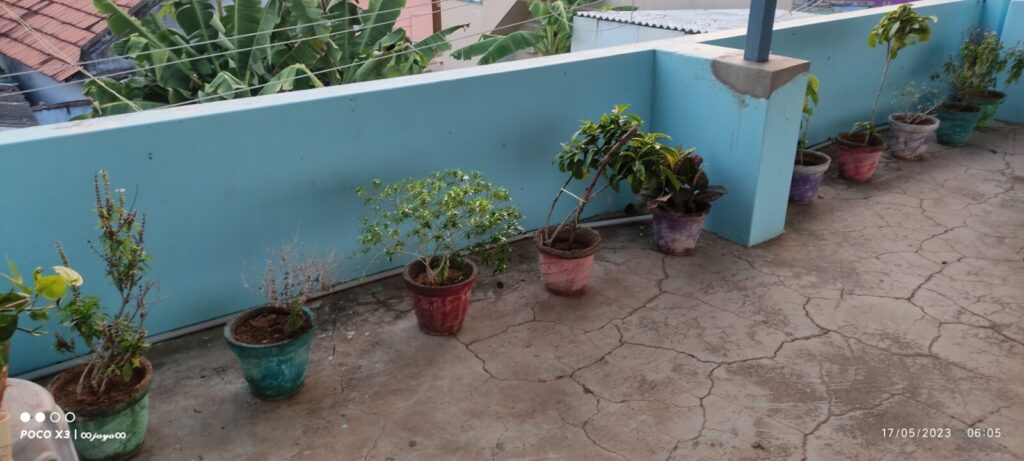
When I first started growing plants in containers on my terrace, it sounded simple in my head—big space equals more plants. But as a beginner, I didn’t yet understand how space actually works for plants. I ignored light patterns, sunlight intensity, airflow, and how all of these shift with seasons.
Because of that, I made predictable mistakes. I placed low-light plants in areas that received strong direct sun, assuming more light was always better. They wilted quickly. I also believed that all houseplants and foliage plants disliked light, which simply isn’t true. Many foliage plants grow best in bright, indirect light with good airflow. My problem wasn’t the plants—it was my misunderstanding of space.
Whether you’re gardening on a terrace, balcony, patio, or even a small indoor corner, space should always be observed before plants are chosen. Space isn’t just about square footage; it’s about how light moves, where air circulates, and which areas stay warm or cool. Beginners who skip this step often struggle not because they chose “wrong plants,” but because they placed plants in spaces that didn’t match their needs.
Horizontal vs vertical growing realities
For beginners, horizontal container gardening is often the safest starting point. Regular floor-level pots offer better ventilation and are easier to observe. This setup naturally reduces pest and disease pressure and works especially well for vegetables and leafy greens that require larger containers.
Vertical gardening becomes useful when horizontal space is limited. Hanging planters, vertical racks, and railing pots can expand growing area—but crowded vertical setups reduce airflow quickly. When airflow drops, humidity rises, and pest or fungal issues become more common. Vertical gardening works best when plant count is controlled and light access is respected.
Wind, rain exposure, and heat reflection
This is where experience matters most. Until you complete at least one full growing season, you won’t fully understand how your space behaves. Wind, rain, humidity, and reflected heat change with seasons, and they don’t behave consistently year-round.
Summer heat waves, monsoon humidity, and winter dampness affect container plants differently. Observing your space across seasons helps you learn which areas are stable and which ones need adjustments. Space understanding doesn’t come from theory—it comes from time and observation.
In container gardening, containers guide plant behavior far more than most people realize. They decide how roots breathe, how water moves, how heat builds up, and how much space a plant truly has to grow. When these basics are overlooked, even the best soil and regular care can’t fully compensate.
You don’t need perfect or expensive pots. You need understanding.
Once you learn how pot size, shape, material, drainage, weight, and placement work together, plant care becomes clearer and less stressful.
Learning about containers first helps prevent:
- Repeated plant loss that feels confusing and discouraging
- Frustration from “doing everything right” but seeing poor results
- Wasted money on constant plant replacements and trial-and-error fixes
Container gardening isn’t about shortcuts or hacks—it’s about building a system that supports plants in a restricted environment. When containers are chosen with awareness, plants respond with healthier roots, steadier growth, and better resilience through seasonal changes.
If you’re ready to connect these container basics with watering, sunlight, soil, and plant selection, the Container Gardening Master Pillar brings all these elements together—helping you see the full picture before moving into more specific guides.
In container gardening, containers guide plant behavior far more than most people realize. They decide how roots breathe, how water moves, how heat builds up, and how much space a plant truly has to grow. When these basics are overlooked, even the best soil and regular care can’t fully compensate.
You don’t need perfect or expensive pots. You need understanding.
Once you learn how pot size, shape, material, drainage, weight, and placement work together, plant care becomes clearer and less stressful.
Learning about containers first helps prevent:
- Repeated plant loss that feels confusing and discouraging
- Frustration from “doing everything right” but seeing poor results
- Wasted money on constant plant replacements and trial-and-error fixes
Container gardening isn’t about shortcuts or hacks—it’s about building a system that supports plants in a restricted environment. When containers are chosen with awareness, plants respond with healthier roots, steadier growth, and better resilience through seasonal changes.
If you’re ready to connect these container basics with watering, sunlight, soil, and plant selection, the Container Gardening Master Pillar brings all these elements together—helping you see the full picture before moving into more specific guides.
Crowding, airflow, and root room matter more than pot count. Click to learn the real spacing rules
Choosing Plants the Beginner-Friendly Way (Not the Pinterest Way)
Why most beginner plants fail in the first 30 days
As a beginner, it’s important to choose easy-growing, hardy plants that need less care and have better resistance to pests and stress. Many plants can tolerate heat, but most plants are not tolerant of overwatering, which is one of the biggest reasons beginner container plants fail early.
Choosing plants just because they look good on Pinterest boards or Instagram often leads to poor care decisions—and eventually, plant death. Instead, choosing native or locally adapted plants that suit your local climate makes container gardening much easier. Starting plants from seeds often gives better adaptability than mature nursery plants, especially in containers.
Selecting plants based on your dominant weather conditions also reduces early failures. Once you complete one full growing season, you’ll clearly see which plants struggle in certain seasons and which ones survive easily. Until you gain more experience, it’s better to avoid plants that repeatedly fail in your conditions.
Fast growers vs slow growers (and why patience matters)
Houseplants, foliage plants, and succulents usually need less frequent care and tend to grow more slowly compared to annual flowers and seasonal edibles. Understanding these different growth patterns helps set realistic expectations.
For beginners, it’s often better to start with easy foliage plants along with a few annual flower seeds that bloom within a month. This balance helps you see results without constant stress. Slow-growing plants may test patience, but they often bring greater satisfaction over time. Container gardening is a slow-paced, long-term hobby, not a quick-result activity.
Why fewer plants = better success early on
If you start with fewer than five plants, daily care usually takes less than fifteen minutes. This prevents overwhelm and reduces mistakes. Fewer plants also mean less stress during watering, monitoring, and problem-solving.
As you understand the basics over a few months, you can gradually add more plants. But until your first full season is complete, it’s better to keep plant numbers limited. Managing too many plants early—especially more than you can observe properly—often leads to burnout and unnecessary losses.
If your plants keep struggling, the problem might start at the buying stage. See the 4 rules beginners miss
Pots Are Not Just Containers (They Control Everything)
How pot size affects growth and care
In container gardening, pot size and pot material directly control watering frequency, the rate at which moisture dries in the soil mix, and the health of the roots. Pots are not just containers—they are the main growing environment for the plant.
If a pot is too small, the roots get crowded, growth becomes stunted, and the plant struggles even with proper care. However, choosing an oversized pot doesn’t solve this issue either. A pot that’s too large holds excess moisture for longer periods, which often leads to overwatering issues and root rot.
So what’s the right size? For beginners, a safe rule is choosing a pot that is about 2 inches larger than the root ball. This allows roots to grow without letting moisture sit too long in the soil.
Pot materials and how they affect watering
Pot materials can be broadly divided into porous and non-porous types.
Porous pots include terracotta, unglazed ceramic, concrete, fabric grow bags, and coco coir pots. These materials allow air movement and moisture evaporation, so the soil dries faster and stays better aerated.
Non-porous pots include plastic, glazed ceramic, glass, metal, and resin. These retain moisture longer, which means watering mistakes show up faster, especially in humid or cooler seasons.
Understanding this difference helps beginners manage watering more accurately and avoid common container gardening problems.
Common beginner mistakes with pots
One common mistake is choosing pots only for decoration or aesthetics. In container gardening, function matters more than appearance.
All planters—regardless of material—need proper aeration and drainage. Pots without drainage holes rarely keep plants alive long-term and often lead to fungal growth and root problems. If you want to use a decorative pot without holes, the double-pot method works better than planting directly in it.
You don’t need expensive pots to grow healthy plants. Terracotta pots are affordable, sturdy, and beginner-friendly because they’re naturally porous. If budget is an issue or you’re using plastic pots, that’s fine too—just make sure the soil mix is well-draining, add extra drainage holes if needed, and keep the pots in a well-ventilated space.
Healthy growth starts with the container itself — not the care routine. Click to uncover the overlooked truths
Roots: The Hidden Part Beginners Ignore
Why healthy leaves don’t always mean healthy roots
Roots can struggle long before leaves show visible damage. In many cases, leaves look fine initially, and yellowing or mushy foliage appears only after the roots are already damaged. That’s why leaves alone don’t always reflect root health—the soil condition tells the story earlier.
Even with what seems like balanced watering, problems can start below the surface. If the topsoil dries quickly but the plant still looks weak, the roots may be root-bound. On the other hand, if the topsoil or the first inch stays moist longer than usual, roots may be getting stressed due to overwatering or early-stage root rot. When roots begin to rot, they lose the ability to absorb water properly, even though moisture is present.
If you notice these signs, checking the roots becomes important. Firm, white roots indicate healthy growth. Brown, soft, or mushy roots signal root rot. In such cases, removing the decayed portions and repotting in fresh, well-draining soil can help save the plant.
How roots behave differently in pots
In-ground gardening, compost, and manure improve soil health partly by encouraging earthworms, which create natural tunnels that help with aeration, drainage, and nutrient access. This allows roots to spread freely and grow larger.
In containers, the situation is different. Even with good compost or manure, root space is limited. As roots grow, they start circling the pot, becoming root-bound, which slows growth and pauses nutrient uptake. This is a normal stage in container gardening and usually means the plant needs repotting into a slightly larger pot, often about two inches wider.
When growing plants in pots, it helps to check the drainage holes at least once a month. If roots start appearing from the bottom, it’s a sign the plant has outgrown its space. Repotting is a crucial part of container gardening, and doing it carefully helps plants recover and continue growing.
What root problems usually look like above the soil
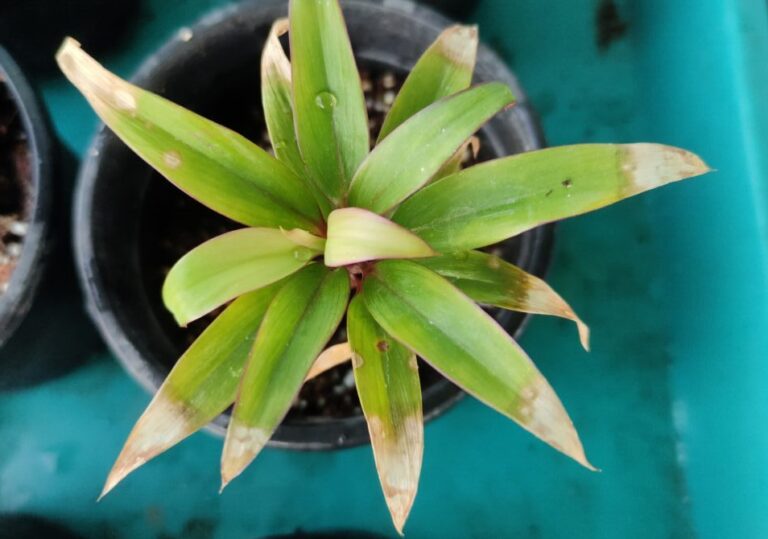
Even gardeners with a few years of experience often misread root problems as above-soil issues. Symptoms like yellow leaves, stunted growth, or soft foliage can look similar to overwatering, low light, or pest damage.
But the soil gives clearer clues than the leaves. Standing water or soggy soil points to poor drainage and overwatering. A foul smell from the soil suggests prolonged moisture and fungal growth. When the topsoil dries quickly but leaves look dull, it may indicate underwatering, root binding, or early root damage.
Why root issues are often mistaken for nutrient problems
When a plant looks weak or not lush, it’s easy to assume a nutrient deficiency, pest problem, or lack of sunlight. Sometimes that’s true—but if the plant still struggles despite proper care, the issue often lies in the roots’ ability to absorb nutrients.
Roots need oxygen, moisture balance, and space. That’s why container plants require well-aerated, porous soil with structure, not compact garden soil. Over time, plain garden soil becomes dense with repeated watering, limiting oxygen flow and stressing roots. Healthy roots are what allow plants to actually use the nutrients available to them.
Soil Is the Foundation (Not Dirt)
Why garden soil fails in containers
The reason is simple. Container gardening has very limited root space, so the soil needs to be well-aerated, well-draining, and nutrient-supportive. Plain garden soil compacts over time with repeated watering, which leads to poor aeration and drainage problems in pots.
When garden soil is used alone—or mixed heavily with compost or manure—it often holds more moisture than required. This makes the soil heavy and suffocates roots. Even if you don’t want to add perlite, adding coarse sand helps improve drainage.
For houseplants and succulents, reducing the garden soil ratio is important. Mixing garden soil with cocopeat, compost, perlite, coconut chunks, and a small amount of vermiculite keeps the soil lighter and prevents compaction. This kind of mix allows better airflow and moisture balance.
For heavy feeders like edible plants and flowering plants, garden soil can be used more safely if it’s sun-dried for a few days to remove excess moisture and debris. Adding compost instead of manure works better in humid climates, since manure tends to retain too much moisture. Even then, adding around 10% sand or perlite is important to maintain drainage.
Drainage vs moisture retention explained simply
This balance is the key to any potting mix—whether you’re using garden soil or a prepared mix. The soil needs air pockets and structure so roots can spread easily and access both water and nutrients.
Good drainage ensures water doesn’t stay trapped in the pot, which otherwise leads to fungal infections and root stress. At the same time, moisture retention means the soil shouldn’t dry out instantly after watering. The soil should hold moisture just enough for roots to absorb it gradually, not act like a sponge that stays wet for too long.
Why soil quality matters more than fertilizers at first
From my experience, many native flowering plants and herbs grow perfectly well with a good potting mix and occasional compost feeding, even without frequent fertilizers—especially when grown in concrete or porous pots.
This works because healthy soil functions like a small ecosystem. Compost releases nutrients slowly over time, cocopeat helps retain needed moisture, and materials like perlite, vermiculite, or sand maintain soil structure for drainage and aeration. Adding small preventive inputs like neem cake or a mild fungicide helps reduce fungal growth and pest pressure in humid conditions.
Soil is the lifeline of container plants. When the soil is right, you’ve already solved most problems. In container gardening, getting the soil right covers nearly 80% of success.
Good-looking soil can still kill plants slowly. Want to know why? Discover the hidden soil truths here
Watering: The Most Misunderstood Part of Container Gardening
Why does daily watering kill more plants than under-watering
Most beginners lose plants not because they forget to water, but because they water too often. In containers, daily watering slowly damages the soil structure. It collapses air pockets, blocks oxygen flow, and keeps roots sitting in constant moisture. Without oxygen, roots weaken, stop growing properly, and become vulnerable to fungal problems and rot.
I’ve made this mistake myself. It feels responsible to water frequently, especially when plants look dull or the weather feels hot. But plants don’t need frequent watering—they need balanced watering. The goal is not to keep soil wet, but to keep roots healthy and breathing.
In container gardening, too much care is often more harmful than too little.
Why watering schedules don’t work
One of the most common beginner traps is following a fixed watering schedule. On paper, it sounds logical. In reality, it fails almost every time.
Even the same plant behaves differently depending on pot material, pot size, light exposure, airflow, and ventilation. A plant in a plastic pot may stay wet for days, while the same plant in a terracotta pot dries much faster. Add seasonal changes into the mix, and watering becomes even less predictable.
Summer heat speeds up drying. Monsoon humidity slows it down. Winter moisture lingers longer than expected. No schedule can adapt to all these variables at once.
This is why container plants often fail “suddenly” despite consistent care. The problem isn’t inconsistency—it’s rigid routines applied to flexible systems.
Early warning signs of watering mistakes
Overwatering usually shows up first. Heavy pots that stay wet for days, soggy soil surfaces, foul smells, and soft or mushy leaves are common warning signs. These symptoms indicate root stress long before leaves fully decline.
Underwatering looks different—growth slows, leaves lose firmness, and soil dries too quickly. Many beginners confuse these signs and respond by watering more, which worsens the problem.
Watering problems are rarely about effort—they’re about misreading signals. Learning to observe soil behavior instead of following habits is what protects roots long-term.
😬 I learned these watering lessons only after losing a few plants. Beginners don’t have to. Discover the hard truths here
Sunlight: More Than Just “Full Sun” or “Shade”
Many beginners misunderstand sunlight because they rely on partial visuals or labels like “direct” and “indirect” light without context. Plants don’t respond to labels—they respond to light intensity and duration.
Different plants tolerate different light levels, but sunlight itself changes throughout the day. Morning sun is gentler, afternoon sun is harsher, and evening light behaves differently depending on direction and season. This is why a spot that works today may fail a few months later.
Direction also influences light. South-facing areas usually receive longer exposure, while east, west, and north-facing spaces receive less—but direction alone never tells the full story. Buildings, walls, railings, and seasonal sun angles all change how light behaves.
Sunlight is essential for photosynthesis, but both excess and insufficient light stress plants. Understanding light as a shifting variable—not a fixed rule—is key to long-term container gardening success.
More sun doesn’t always mean better growth — sometimes it does the opposite. Discover the sunlight mistakes beginners make
Fertilizers: Why Beginners Use Them Too Early
Most beginners reach for fertilizers far too soon. In the early stages, good soil matters more than feeding. When you start with easy-growing plants and a soil mix that includes compost, plants already have what they need to settle in.
Excess feeding is one of the fastest ways to stress beginner plants. Many starter plants—especially foliage types—don’t respond well to heavy or frequent fertilizing. More nutrients don’t mean faster growth; they often mean weaker roots.
Yellow leaves or dull growth are also commonly misread as nutrient deficiency. In reality, these signs are often linked to overwatering, poor light, or early pest pressure, not lack of fertilizer.
Fertilizers become useful only after plants establish roots and adjust to their containers. Until then, focusing on soil, watering balance, and light builds far more stable growth than feeding early.
🌱 Fertilizers can either boost growth or silently damage container plants — it depends on how you use them.
Read the beginner-friendly fertilizer guide
Pests & Diseases: Why They Appear (And Why Panic Makes It Worse)
Pest issues are more common for beginners than most people expect—and that’s normal. Pests don’t appear randomly; they show up when conditions allow them to. Using unsterilized garden soil, bringing nursery plants home without inspection, leaving garden debris around pots, excess moisture, poor ventilation, and overcrowding all increase pest pressure.
Most beginner pest problems develop slowly, but panic reactions happen fast. Pouring chemical pesticides rarely fixes the real issue and often damages stressed plants further. The plant suffers more than the pest.
Pests are manageable when noticed early and largely avoidable when the space stays clean, ventilated, and balanced. In container gardening, prevention and observation matter more than aggressive treatment. Calm responses protect plants far better than rushed solutions.
 Doing everything right but still getting pests? The reason isn’t negligence — it’s hidden stress. Read why potted plants attract pests
Repotting: A Normal Part of Container Gardening
As a beginner, it’s natural to feel excited and want to check your plants every day. That curiosity is good—but doing too much care too often quickly turns into overwhelm. Instead of constant action, a balanced routine works better.
You can observe your plants daily if you enjoy it, but active care doesn’t need to happen every day. Watering, checking soil, and basic maintenance a few times a week is usually enough for beginners. Setting aside a short weekend routine for light cleaning and observation keeps things manageable without pressure.
As plant numbers increase, care time naturally increases too—but as a beginner, you don’t need a large plant collection to learn. Fewer plants make it easier to stay consistent and avoid mistakes.
Remember, consistency matters more than premium products. A simple, repeatable routine keeps container gardening enjoyable instead of exhausting.
Most repotting stress isn’t visible right away — but it’s already happening inside the pot. Read the 3 hidden causes
Building a Simple Container Gardening Routine
Most beginners reach for fertilizers far too soon. In the early stages, good soil matters more than feeding. When you start with easy-growing plants and a soil mix that includes compost, plants already have what they need to settle in.
Excess feeding is one of the fastest ways to stress beginner plants. Many starter plants—especially foliage types—don’t respond well to heavy or frequent fertilizing. More nutrients don’t mean faster growth; they often mean weaker roots.
Yellow leaves or dull growth are also commonly misread as nutrient deficiency. In reality, these signs are often linked to overwatering, poor light, or early pest pressure, not lack of fertilizer.
Fertilizers become useful only after plants establish roots and adjust to their containers. Until then, focusing on soil, watering balance, and light builds far more stable growth than feeding early.
🪴 I stopped “doing more” in my garden — and my plants finally stabilized. Read what changed with simple routines
Budget, Time, and Expectations (The Honest Part)
My honest advice is to start with the bare minimum—few plants and minimal products. You’re in a learning phase, and spending too much too early often leads to burnout.
Losing plants as a beginner is normal. When plants are affordable, the loss feels like a lesson. When they’re expensive, it feels like failure—and that’s when many people give up. High investment increases emotional pressure, not skill.
Start with a small budget and grow at a slow pace. It’s okay to lose plants. You’ll learn gradually through observation and experience. But investing too much money, time, or expectation early almost always leads to disappointment.
In container gardening, patience builds confidence far more effectively than spending ever will.
Common Beginner Myths That Need to Be Unlearned
Don’t fall for myths or fancy thumbnails. Start your garden. Observe your plants. Investing time in learning the basics protects both your plants and your confidence as a gardener.
Many beginners misinterpret dull growth or yellow leaves as a nutrient deficiency. Fixed watering schedules, the idea that more plants mean faster learning, or believing expensive garden products guarantee success are all common misconceptions. These myths waste money, create frustration, and slowly kill the joy of gardening.
Container gardening improves when you stop chasing shortcuts and start understanding how plants respond to their environment. Unlearning myths is often more important than learning new techniques.
How to Use This Website Going Forward
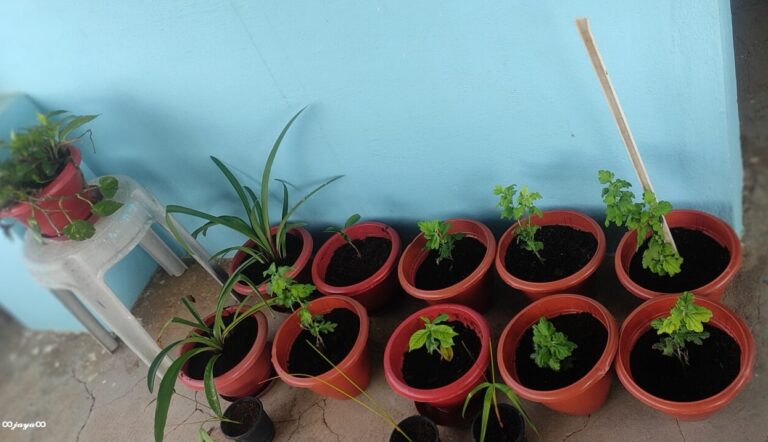
This is my first blog of the year, and if you genuinely want to start container gardening, consider this your roadmap. I’ll be publishing structured beginner-friendly guides every Tuesday and Friday throughout the year—based on my eight years of real container gardening experience, not textbook advice.
If you follow along, you’ll first build a strong understanding of the core basics. By the end of January, you’ll be clear on how container gardening actually works. From February through December, I’ll cover each of the 12 fundamental areas of container gardening in detail, step by step.
The goal isn’t fast results—it’s confident growth.
By the end of 2026, you won’t just be “trying” container gardening. You’ll understand your plants, avoid common mistakes, and grow healthy containers with clarity instead of confusion.
👉 Understand space before buying pots or plants:
Why Space Mistakes Cause Hidden Problems in Container Gardening
https://mypotsgarden.com/container-gardening-space-mistakes/
👉 Choose plants that actually work in containers:
Beginner Rules for Choosing Container Garden Plants
https://mypotsgarden.com/beginner-rules-choosing-container-garden-plants/
If you want to stay updated, you can follow along through the newsletter as new guides are published. Start here, learn slowly, and let your garden grow with your experience. 👇