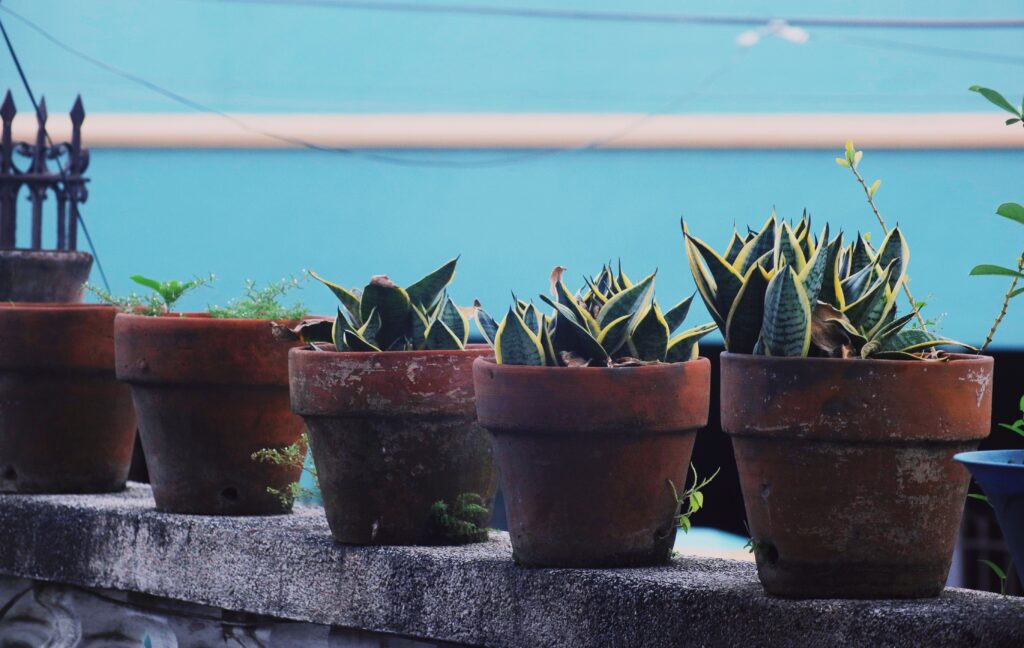
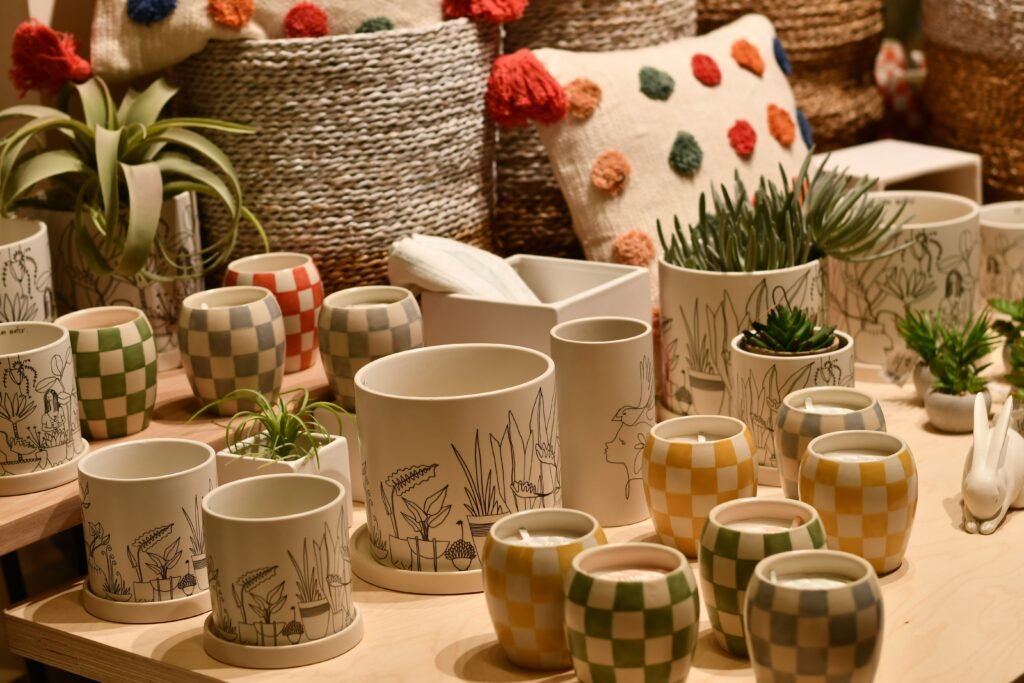
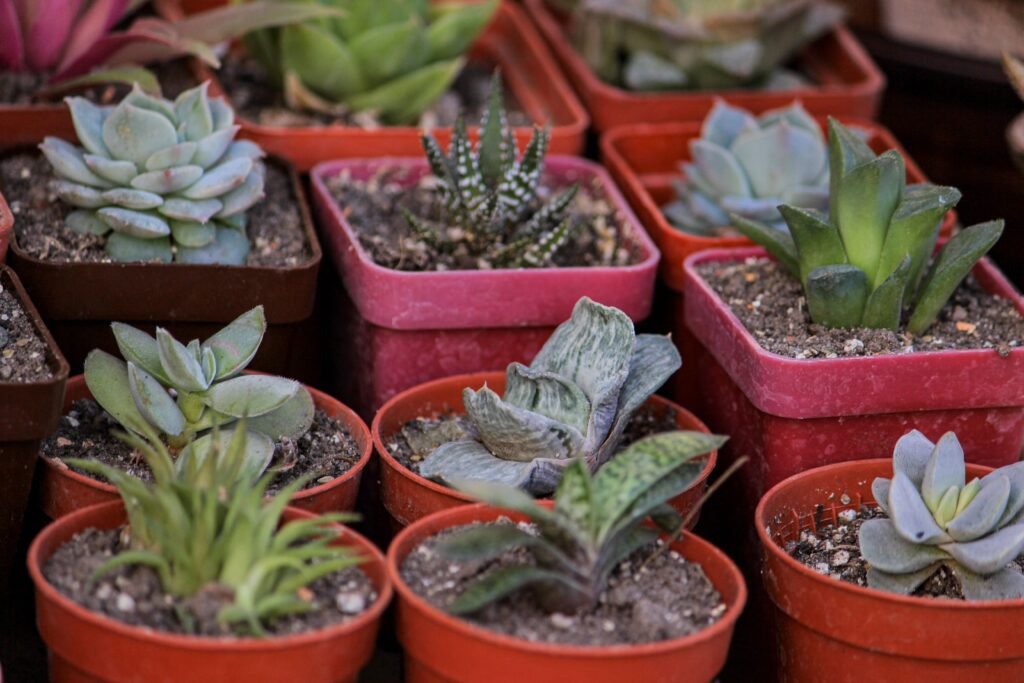
Have you ever wondered, why do some pots fail even when your plant care is correct? This is something many gardeners ask when their plants still struggle despite proper care. Most beginners pay less attention to pots while choosing them. We usually prioritize the pot’s colour, shape, and aesthetics over its functionality.
You give proper plant care, but the plant still struggles. Then it’s probably not a care issue. In container gardening, everything works as an aligned system, and the pot impacts various factors that affect the plant’s survival.
If your care still doesn’t help the plant, check the pot before jumping to another analysis.
You may ask, can the pot itself be the reason healthy plants struggle? Yes, it can. I experienced that personally. Even healthy plants and saplings can struggle because of the wrong pot choice.
In container gardening, a pot is not just something that holds the growing medium. It’s the microenvironment that holds the root ball. The pot’s material, size, and even colour can affect that microenvironment by influencing temperature, airflow, and more.
Why do beginners often blame watering instead of the container?
It’s easier to notice visible signs like water staying on the topsoil or foliage changing colour. Pots don’t show obvious signs. A wrong pot can make the plant struggle, but gardeners are less likely to notice that it’s the real cause.
Choosing a pot based on functionality, your garden space, and the plant’s needs helps plants thrive. Choosing a pot based only on aesthetics can make even healthy plants struggle.
To understand these issues and learn how to identify them, keep reading the blog.
How Can You Tell If Your Pot Is Causing the Problem?
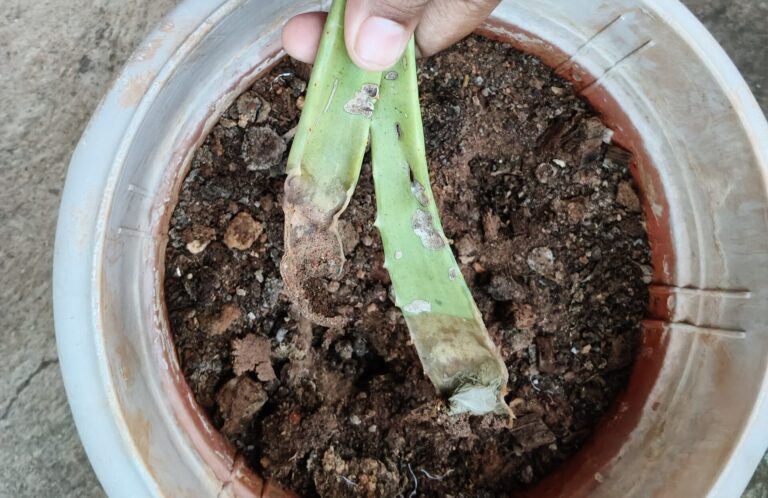
Identifying the pot as the root cause of a plant problem is very rare. Even experienced gardeners don’t pay attention to it until they learn the hard way through a pot-related issue, just like my past self.
To figure out whether the pot is causing the problem, don’t rely on a single symptom. Look for multiple signs together, observe them repeatedly, and notice patterns in how your plants behave over time.
Which warning signs point to the container instead of the plant?
It takes observation and memory of what happened before with the same pot. I prefer taking notes about plant problems and their signs because it helps me build better plant data for my own garden.
You may have missed this before. A particular pot keeps killing plants no matter which one you grow in it. No matter how hardy the plant is, it still dies in that pot. That’s a sign to stop blaming your plant selection.
With that specific pot or type of pot, the same problems keep showing up. No matter how carefully you follow your plant care routine, the plant struggles while growing in that container. Sometimes, simply repotting it into another pot keeps the plant healthier, or at least reduces the problems.
I’ve also seen healthy plants decline after being repotted into certain pots, even though they were doing well in their previous container. It’s easy to assume it’s repotting stress or root disturbance, but sometimes the pot itself is the real issue.
When should you suspect the pot before changing your watering routine?
What You Notice | What the Pot Might Be Doing |
Soil stays wet | Poor drainage holes or clogged drainage holes |
Soil dries quickly | Less soil volume |
Plants topple easily | Unstable pot bottom |
Roots circle the pot | Mismatched pot size or depth |
Pot becomes too hot | Wrong pot material |
If you notice any of the signs above, don’t just adjust your watering routine. Check the pot as well to make sure that particular function of the planter is working as it should.
🌱 Healthy growth starts with the container itself — not the care routine. Click to uncover the overlooked truths
Why Do Pots Fail More Easily in Container Gardening?
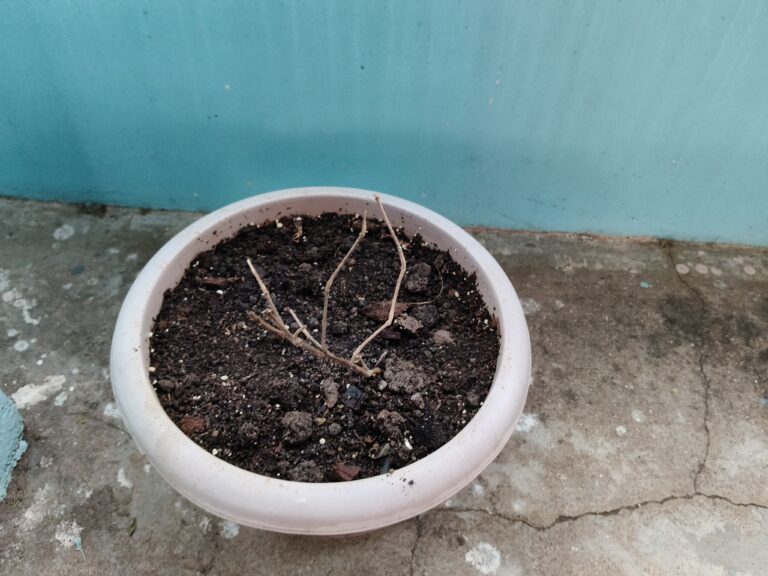
Indian container gardeners mostly follow the ground bed gardening methods they already know or used before. That itself is a major drawback.
Ground bed gardening and container gardening behave very differently, and plants respond differently in the ground and in pots. Without understanding that difference, it’s easy to follow the wrong care methods.
Many gardeners also follow Western container gardening tricks and hacks. But their climate is entirely different from ours. Indian weather and Indian container gardening are a completely different game, so not every method works the same here.
Why is every mistake amplified inside a container?
Containers give us the advantage of moving plants around and growing them in small spaces. But every advantage comes with trade-offs.
Containers don’t have the buffer that ground beds do. Water can’t move deep into the ground, the soil isn’t naturally moderated by the earth below, and both root space and soil volume are limited. That’s why you need to be more careful with your soil mix, fertilizer, and watering.
Pots act as the plant’s microenvironment. The pot material’s ability to absorb and transfer heat is important because that heat moves directly into the soil inside the pot.
Pots don’t show symptoms—plants do. That’s why you need to connect the dots with the warning signs mentioned in the table above.
How do Indian summers, balconies, and terraces make pot problems worse?
You may think direct sunlight during Indian summers is the biggest problem for container plants. It does play a role, but I’ve found the bigger issue is heat reflected from terrace floors, balcony floors, walls, and metal grills.
If you ignore using pot stands or bottom trays, this reflected heat can silently damage your plants by heating the soil, killing beneficial microorganisms, and increasing moisture loss. The pot material also plays a major role in how much of that heat gets transferred into the soil.
Whether it’s summer or monsoon, a wrong pot with poor drainage can lead to overwatering and related problems because soil drainage depends on the functionality of the drainage holes and the porosity of the pot material.
In India, it’s not just summer. Monsoon and winter also bring extreme fluctuations. Using the wrong pot without the key functions your garden needs can create or amplify plant problems throughout the year.
🪴 Ever wondered why some plants thrive while others don’t—same soil, same care? The secret often lies in choosing the right container.
How Can You Avoid Buying Pots That Cause Problems?
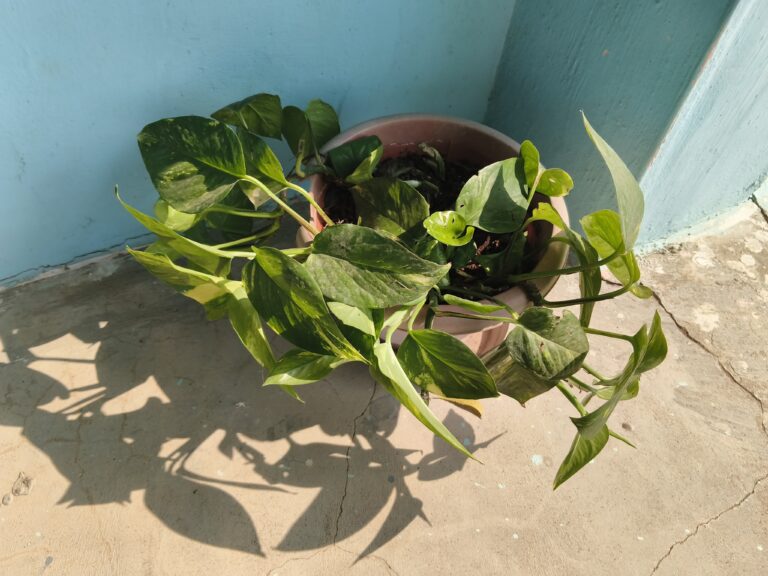
To avoid plant problems caused by pots, you need a proper checklist for choosing the right one. Prioritizing the pot’s functionality over its aesthetics is one simple change that can save your money, time, and plants.
Before buying any pot, understand its characteristics and make sure they match your plant’s needs. Double-checking a few basic things before buying or using a pot can help you avoid many common plant problems.
Which features matter before appearance?
Nothing complicated—just prioritize the functional features of the pot over its colour or how fancy it looks. Of course, many of us grow plants as part of our home décor, but plants are not showpieces. They are living things, just like fish or pets.
Always prioritize the growing environment over aesthetics. Pot quality also matters. Buying cheap pots just because they’re on offer often leads to frequent replacements, and plants don’t like repeated root disturbance.
Choose the pot material based on its characteristics, and match it to your garden’s microclimate and weather conditions.
Drainage holes are non-negotiable. Even perfect plant care can’t save roots that have completely rotted because of poor drainage. Choose pots that meet your plant’s needs and root type instead of simply picking your favourite shape.
Which questions should you ask before purchasing a pot?
- Does it have proper drainage holes?
- Is the bottom stable enough to prevent the plant from toppling in heavy winds?
- Does it provide enough growing space for the plant’s root type?
- Is the pot durable enough to handle regular sun and rain exposure?
- Is it suitable for your garden’s growing conditions?
What Should You Do Next?
Two things in row for you, first make sure your future purchase of pots have this qualities before buying them so you can avoid plant problems, money wasting on it and your time getting wasted.
The second thing is checking your exciting pots that already causing this issues. And try to tweak with the feautures we talked. If you’ve trouble fixing the pot problems just comment below I’ll guide you.
Don’ rush to replace pot you already have that would be waste. Instead inspecat and reach me.
Upcoming blogs:
- Which Pot Material Is Best for Container Plants?
- How to Choose the Right Pot Size for Container Plants
Frequently Asked Questions
Can expensive pots still fail?
Yes. A pot’s price tag doesn’t guarantee its quality. Even fancy-looking or expensive pots can fail if they don’t provide the basic functions a healthy container needs.
Should every pot have drainage holes?
Yes. The number of drainage holes may vary depending on the pot’s size and material, but proper drainage is non-negotiable. Poor drainage can lead to overwatering, root rot, fungal problems, and pest issues.
Can I reuse old containers?
Yes. You can reuse old containers after cleaning them properly. Before using them again, make sure the pot is still functional and has the essential qualities discussed in this article.
Can the pot affect root health?
Yes. A poor-quality or unsuitable pot can affect the entire plant because it influences drainage, temperature, airflow, and the root environment.
Is the pot more important than the potting mix?
No. In container gardening, every factor has its own purpose. The pot, potting mix, watering, and plant care all work together. If one part of the system fails, the whole growing environment is affected.